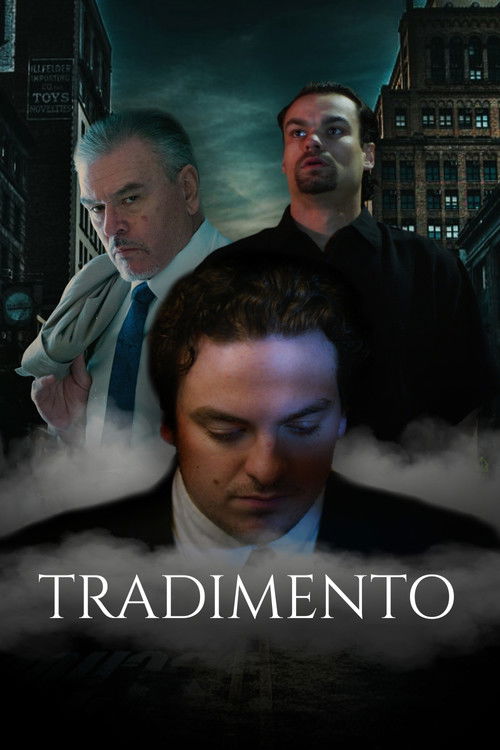
Tradimento (2026)
Directed by Josiah Miller
No · Ultra Based
How we score movies →Consciousness Markers
The narrative involves organized crime, which inherently critiques legitimate economic systems, though this is incidental to genre convention rather than ideological positioning.
The cast appears predominantly uniform without evidence of intentional diversity or representation. No indication of conscious casting choices.
The brief runtime and genre focus suggest minimal expository dialogue or preachy messaging, though insufficient information exists to assess fully.
The narrative centers on masculine ambition and crime family dynamics with minimal indication of feminist perspective or female character development.
No available information suggests LGBTQ+ themes, characters, or representation in this crime drama.
No evidence of intentional racial consciousness or commentary on organized crime's relationship to racial structures.
A crime drama set within a mafia family context shows no engagement with environmental or climate themes.
No available information suggests body positivity messaging or representation in this traditional crime narrative.
No indication of neurodivergent representation or themes within the crime drama framework.
A contemporary crime story does not engage in historical revisionism or reframing of past events.
Synopsis
Jamie Rizzo, son of a mafia concierge, takes matters into his own hands when he loses his chance at becoming a made man.
Why it received this score
Tradimento arrives as a modest crime drama that appears content to inhabit familiar genre territory without aspiring to broader cultural commentary. The nine-minute runtime suggests a work of concentrated narrative focus rather than sprawling social analysis. The premise centers on a young man navigating the rigid hierarchies of organized crime, a narrative framework that has existed in cinema for decades without requiring contemporary progressive reframing.
The casting appears to draw from a relatively homogeneous pool, and nothing in the available materials suggests an intentional effort toward representation or demographic consideration. The film traffics in traditional crime drama conventions: familial loyalty, masculine ambition, the seductive appeal of criminal enterprise. These are the language of the genre itself, not markers of cultural consciousness.
What emerges from the available information is a straightforward genre exercise that does not engage with contemporary social consciousness markers. There is no indication of LGBTQ+ representation, feminist reconsideration of its subject matter, racial consciousness applied to organized crime narratives, or any of the other sensibilities that would elevate this to measurable engagement with modern progressive frameworks. This is simply a crime story, told in the manner crime stories have been told.
Analysis generated by our Consciousness Algorithm