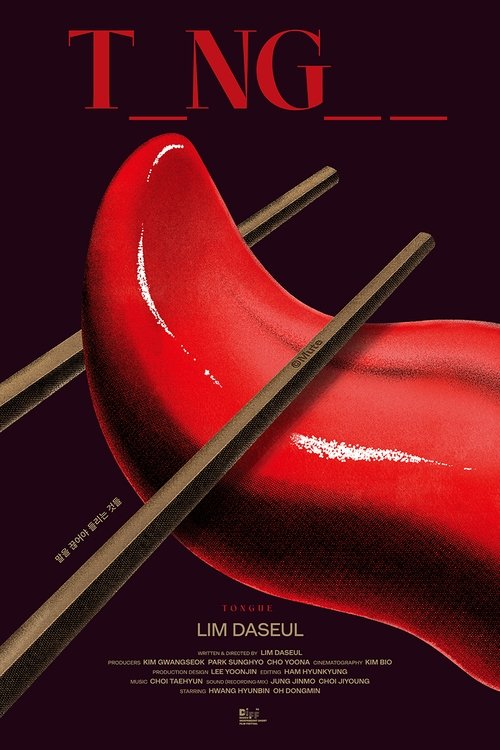
Tongue (2026)
Directed by Lim Da-seul
Partly · Woke-Adjacent
How we score movies →Consciousness Markers
The film directly engages with female agency and resistance to male domination within intimate spaces. The act of silencing the husband after enduring his speech constitutes a reclamation of power, though the violence itself remains morally ambiguous rather than explicitly endorsed.
Female protagonist drives the narrative with agency and decisiveness. Male characters are positioned as objects of her will rather than subjects of narrative sympathy, inverting typical gender dynamics, though supporting cast diversity is limited.
The film's premise carries implicit social commentary about domestic silencing and female agency, but the short runtime and restrained execution avoid overt preachiness or heavy-handed messaging.
The film is South Korean, reflecting a specific cultural context, but no evidence suggests intentional engagement with racial or ethnic consciousness in its narrative or themes.
The film engages with the body primarily as a site of violence and horror rather than celebration. Body positivity is not a thematic concern.
The husband's compulsive speech could theoretically suggest neurodivergent behavior, but the film does not explicitly engage with neurodivergence as a concept or theme.
The domestic setting and intimate relationship focus leave little room for capitalist critique. The film operates in the personal rather than the systemic realm.
No LGBTQ+ themes, characters, or representation evident in the film's premise or available information.
No climate change, environmental consciousness, or ecological themes present in the film.
No historical narrative or revisionist engagement with historical events present in this contemporary domestic horror film.
Synopsis
After enduring her husband's incessant chatter, a wife finally cuts out his tongue.
Why it received this score
Lim Da-seul's "Tongue" operates as a genre exercise in the contemporary feminist horror mode, applying the vocabulary of body horror and domestic transgression to what is fundamentally a commentary on female silencing and male domination. The film's central conceit, a wife literally removing her husband's capacity for speech after years of enduring his relentless verbosity, reads as both darkly comedic and structurally sound within the emerging discourse around reclaimed agency in intimate spaces. The specificity of targeting the tongue, that instrument of male authority and patriarchal noise, suggests an awareness of how speech itself functions as a site of gendered power.
What distinguishes this work from simpler revenge fantasies is its refusal to moralize. The horror genre provides convenient cover for exploring violence not as aberration but as logical response to chronic domestic erasure. The romance classification complicates matters further, implying a perverse affection that survives mutilation, which gestures toward the psychological complexities of relationships structured around harm. The film operates within what we might call the "monstrous feminine" tradition, though with considerable wit than its more earnest counterparts.
The execution remains restrained enough to avoid the lecture-hall quality that often plagues contemporary genre work. Lim Da-seul demonstrates restraint in allowing the premise to speak rather than adorning it with explanatory dialogue or heavy-handed social commentary. The casting of male actors in supporting roles and the female protagonist's agency throughout ensures representation of female action rather than victimhood, though the film's brevity (approximately fifteen minutes) limits opportunities for deeper character development or thematic elaboration. This is provocative material presented with a steady hand.
Analysis generated by our Consciousness Algorithm