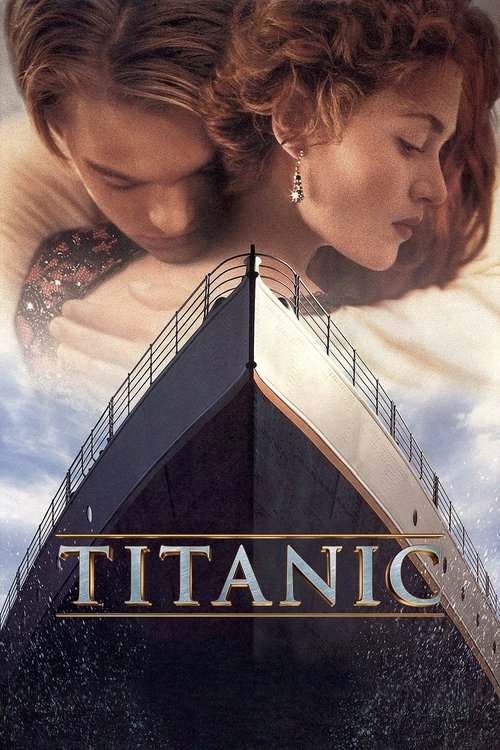
Titanic (1997)
Directed by James Cameron
No · Based
How we score movies →Consciousness Markers
Rose's character arc involves rejecting patriarchal constraints and choosing agency over obligation, representing 1990s romantic feminism. However, her ultimate fulfillment comes through love rather than systematic critique of gender oppression.
The cast reflects historical period demographics without deliberate modern representation consciousness. Primary characters are white, and supporting roles include limited diversity without contemporary intentionality.
The film depicts class inequality and wealthy passengers' moral failings, but presents these as individual character flaws rather than systemic critique. No sustained anti-capitalist messaging or call for economic restructuring.
The film avoids preachy exposition or lecture-like delivery of social messages. Social commentary emerges from narrative and character behavior rather than explicit instruction.
The film generally adheres to historical events while dramatizing the personal stories. The fictionalized romance is invented, but the historical facts of the sinking remain largely accurate.
No LGBTQ+ representation or themes present in the film. The narrative contains no queer characters or storylines.
The film does not engage with racial consciousness or contemporary racial awareness. Historical racial dynamics of 1912 are largely unexamined, with a predominantly white narrative.
No climate advocacy or environmental consciousness present. The film treats the natural disaster as historical event rather than ecological commentary.
No body positivity agenda present. The film presents conventional 1990s beauty standards without challenge or commentary on body diversity.
No neurodivergent representation or themes. No characters identified as neurodivergent or exploration of neurodiversity.


Synopsis
101-year-old Rose DeWitt Bukater tells the story of her life aboard the Titanic, 84 years later. A young Rose boards the ship with her mother and fiancé. Meanwhile, Jack Dawson and Fabrizio De Rossi win third-class tickets aboard the ship. Rose tells the whole story from Titanic's departure through to its death, on its first and last voyage, on April 15, 1912.
Why it received this score
Titanic represents a curious artifact of 1990s progressive cinema, a film sufficiently conscious of class and gender hierarchies to merit consideration, yet fundamentally uninterested in the specific cultural preoccupations that define contemporary social consciousness. James Cameron's three-hour epic luxuriates in its depiction of social stratification aboard the doomed vessel, contrasting the opulence of first-class accommodations with the locked gates and steerage of third-class quarters. Rose's rebellion against her fiancé and her family's expectations carries genuine feminist weight for its era, though the film ultimately resolves her arc through romantic devotion rather than systematic interrogation of patriarchal structures.
The film's treatment of class operates as period-appropriate social commentary rather than contemporary critique. We observe the wealthy behaving callously, the ship's crew prioritizing wealthy passengers during evacuation, and the third-class passengers literally barricaded below decks. These injustices are presented as historical facts worthy of dramatic rendering, not as opportunities for structural analysis or calls to systemic change. Cameron documents inequality with the eye of a historian, not an activist. The narrative remains fundamentally romantic, using social divisions as backdrop and obstacle rather than as the central subject demanding audience reckoning.
What emerges across the film's runtime is a work of mainstream 1990s liberalism, aesthetically accomplished and emotionally engaging, but resistant to the specific markers of 2020s cultural consciousness. There is no neurodivergence, no explicit LGBTQ+ representation, no climate advocacy, no sustained anti-capitalist messaging beyond the observation that rich people are occasionally unkind. The film's progressive sensibilities, such as they are, feel almost incidental to its primary project of delivering spectacle and romance. It is a film that respects its audience's moral intuitions without demanding they be examined or restructured.
Analysis generated by our Consciousness Algorithm
Critic Reviews
“You don't just watch Titanic, you experience it.”
“With the ship, with its totality of people, Cameron is wizardly, creating an entire society threading through the various strata of a world that has been set afloat from the rest of the world. [Jan. 5, 1998]”
“A heart-tugging potboiler that is at once poetic, tragic and cold as steel.”
“Cameron manhandles the real story, scavenging it for his own puny narrative purposes. It's a film made with boorish confidence and zero sensitivity, big and dumb and hulking.”