Though The Flock Shall Be Cut Off From The Fold (2026)
Directed by Nathan Swann
No · Ultra Based
How we score movies →Consciousness Markers
The film's central conflict involves agricultural blight and environmental collapse, though framed through theological rather than ecological frameworks.
The film draws from scriptural text, which could theoretically involve theological reinterpretation, though likely operates within orthodox religious frameworks.
No cast information available; the film appears to have been scored without visible diversity considerations in its public-facing materials.
Religious narrative centered on community survival offers no apparent feminist agenda or contemporary gender consciousness.
The narrative concerns subsistence farming and communal life, but these appear driven by religious tradition rather than anti-capitalist ideology.
A faith-based narrative may contain preachy elements, but appears primarily concerned with atmospheric tension and spiritual crisis rather than explicit instruction.
No evidence of LGBTQ+ themes or representation in available synopsis or materials.
The biblical source material and available synopsis contain no racial critique or consciousness of racial dynamics.
No evidence of body positivity themes or commentary on conventional beauty standards in available materials.
No representation of or engagement with neurodivergent themes in the synopsis or metadata.
Synopsis
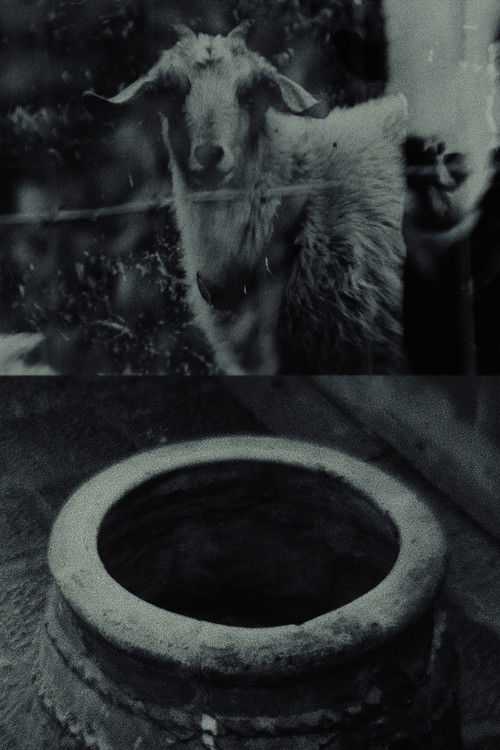
Although the fig tree shall not blossom, neither shall fruit be in the vines; the labour of the olive shall fail, and the fields shall yield no meat; the flock shall be cut off from the fold, and there shall be no herd in the stalls.
Why it received this score
Nathan Swann's "Though The Flock Shall Be Cut Off From The Fold" arrives as a cryptic meditation on faith, scarcity, and communal collapse, built entirely from the scaffolding of biblical apocalypse. The film concerns itself with a remote, devout community watching its agricultural foundation crumble under the weight of mysterious blight, a setup that trades contemporary social consciousness for the older, deeper language of religious trial and endurance. There is no evidence here of the familiar markers of modern progressive sensibility, no visible diversification effort in casting, no interrogation of systems through the lens of identity politics, no green crusade against the machinery of capital. Instead, we have drought, covenant, and the austere possibility of faith tested to its breaking point.
The source material itself, drawn from the prophet Habakkuk, speaks to abandonment and loss without the mediating framework of social justice discourse. The film appears interested in spiritual crisis rather than systemic critique, in the private collapse of belief rather than the public dismantling of oppressive structures. One can respect this choice, this refusal to engage with the machinery of contemporary progressive filmmaking, even as one notes its absence.
The minimal critical reception and cast information available suggest either a limited release or a work still approaching its moment of public reckoning. Without substantial evidence of progressive thematic material, the film receives a low score by design, not by default. It simply inhabits a different artistic lineage, one that predates the current cultural moment by centuries.
Analysis generated by our Consciousness Algorithm