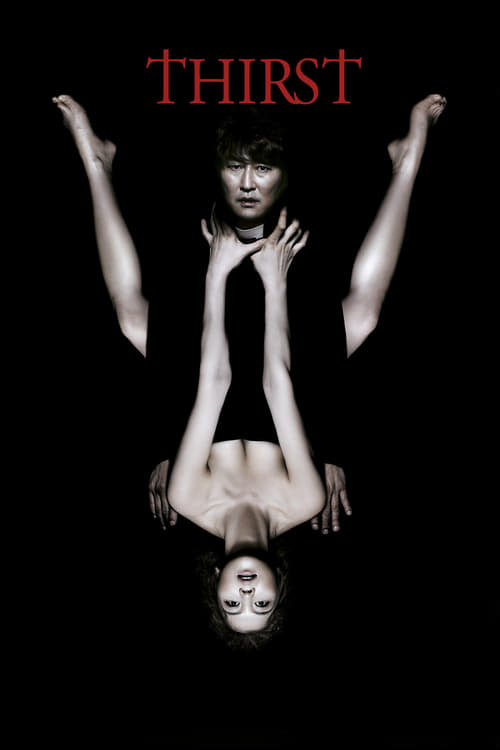
Thirst (2009)
Directed by Park Chan-wook
No · Ultra Based
How we score movies →Consciousness Markers
The film features a South Korean cast reflecting the production's origin, with one minor Black character, but demonstrates no intentional progressive casting activism or representation consciousness.
No LGBTQ+ themes, relationships, or characters appear in the film.
While the female character is complex and morally autonomous, the film contains no feminist agenda or contemporary women's empowerment messaging.
The film contains no engagement with race, racism, or racial justice issues.
No environmental themes or climate messaging present in the film.
The film contains no critique of capitalism or economic systems.
The film's treatment of bodies is clinical and transgressive, focused on vampire hunger and decay rather than body positivity messaging.
No representation of neurodivergent characters or exploration of neurodiversity appears in the film.
While the 1867 novel is relocated to contemporary South Korea, the film contains no revisionist historical claims or modern reinterpretation of history.
The film operates through artistic implication and dark comedy rather than preachy messaging about any social justice cause.


Synopsis
A respected priest volunteers for an experimental procedure that may lead to a cure for a deadly virus. He gets infected and dies, but a blood transfusion of unknown origin brings him back to life. Now, he's torn between faith and bloodlust, and has a newfound desire for the wife of a childhood friend.
Why it received this score
Park Chan-wook's Thirst is a masterwork of moral ambiguity and artistic restraint, which is precisely why it registers as entirely absent from the contemporary progressive consciousness. The film adapts Émile Zola's 1867 novel with the sensibility of a surgeon, transplanting its themes of shame, desire, and religious transgression into modern South Korea without a whisper of social justice rhetoric. Song Kang-ho delivers a performance of quiet devastation as Sang-hyun, the priest whose vampire transformation becomes a vessel for exploring the collision between ascetic faith and carnal appetite. This is serious art about serious matters, yet it remains indifferent to the categories through which modern progressive cinema demands to be understood.
The film's genius lies in its refusal to didactize. We are never lectured about the priest's crisis of conscience. We simply inhabit it, moment by moment, as he navigates the grotesque poetry of his new existence. The female lead, Tae-ju, is neither a victim nor an empowerment narrative, but rather a fully realized agent of her own moral corruption. Their relationship unfolds as Greek tragedy remade in contemporary dress, driven by psychological and spiritual forces rather than social commentary. Park's visual language operates through suggestion and baroque composition rather than explicit messaging about any contemporary cause.
The film won the Jury Prize at Cannes 2009 and accolades for its ensemble cast, recognition that came through pure artistic merit rather than cultural alignment. It stands as a monument to cinema that asks profound questions about human nature without feeling compelled to provide progressive answers to those questions. For contemporary audiences accustomed to art that signals its moral intentions, Thirst's austere refusal to participate in such signaling may prove its most unsettling feature.
Analysis generated by our Consciousness Algorithm
Critic Reviews
“A brilliant and gruesome work of cinematic invention as well as a passionate and painful human love story.”
“Blending plot elements of "Double Indemnity" and "Natural Born Killers" with the ripe sensuality of Francis Coppola's take on "Dracula," the film should make audiences sit up in startled pleasure, as if they'd just received the most luscious neck-bite.”
“A gaudy, daring, operatic, and bloody funny provocation of a melodrama from Park Chan-wook.”
“Taken as a whole, Thirst meanders too far from the crossroads of life and death; it gets outright dull in spots, although they are few and far between.”