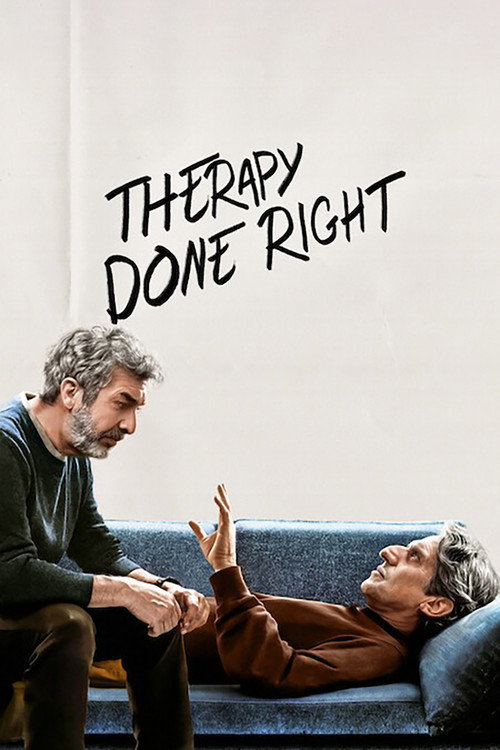
Is Therapy Done Right (2026) Woke?
Therapy Done Right · 2026 · Directed by Hernán Goldfrid
Woke Score
CriticCritic Score
Ultra Based
Critics rated this 53 points above its woke score. Among Ultra Based films, this critic score ranks #1022 of 1501.
Answer: No
Woke Score 4/100 · Verdict: Ultra Based
Strongest markers: Lecture Energy (8) · Representation Casting (5)
Representation Casting
Score: 5/100
The cast is led by two established white Argentine male actors of a certain generation, assembled on the basis of chemistry and pedigree rather than any discernible diversity mandate. No evidence of deliberate representational engineering.
LGBTQ+ Themes
Score: 0/100
No LGBTQ+ characters, themes, or subplots are present in any available material about the film.
Feminist Agenda
Score: 0/100
The narrative centers two middle-aged men. Female characters exist in supporting roles but the film makes no apparent feminist argument.
Racial Consciousness
Score: 0/100
Set in Buenos Aires and operating entirely within the world of Argentine intellectual culture, the film shows no engagement with racial identity or racial justice frameworks.
Climate Crusade
Score: 0/100
No climate, environmental, or ecological themes are present or implied in any synopsis, review, or interview material.
Eat the Rich
Score: 0/100
The film satirizes the Argentine therapy industry and professional ethics, not capitalism or class structure. The milieu is privileged but the critique is not directed at wealth.
Body Positivity
Score: 0/100
No body positivity messaging or discourse is present in the film or its surrounding commentary.
Neurodivergence
Score: 0/100
Though the film is set in a therapeutic context, no characters are framed through a neurodivergence lens and the concept is not invoked.
Revisionist History
Score: 0/100
The film is a contemporary dark comedy with no historical revisionism or counter-mythological agenda.
Lecture Energy
Score: 8/100
The film carries a mild sermonizing undertow about professional ethics in mental health care. Ricardo Darín described it as designed to provoke and unsettle viewers about therapeutic dependence, which suggests some deliberate moral instruction, though it stops well short of hectoring.


Synopsis
A psychoanalyst who's lost faith in traditional therapy crosses every boundary to help a blocked novelist in this cutting Argentine dark comedy.
Why it received this score
*Therapy Done Right* arrives bearing the pedigree of Ricardo Darín and the spiritual weight of Buenos Aires, a city so thoroughly committed to psychoanalysis that its citizens apparently require a film to explain what happens when their therapist stops pretending to listen and simply starts managing their lives directly. This is, on the available evidence, a reasonable premise for a dark comedy. It is not, on any available evidence, a vehicle for the progressive social architecture that has become the default setting of the contemporary prestige film. The film is content to be a character study about two men, their professional failures, and their mutual unraveling. We should note how rare this has become.
Director Hernán Goldfrid and screenwriter Emanuel Diez have produced something critics describe as retro-leaning and Woody Allen-adjacent, which in 2026 is either a bold artistic statement or an oversight, depending on your tolerance for films that do not pause to acknowledge their own cultural positioning. The sole marker of mild moral instruction is the film's earnest interest in where therapy ends and manipulation begins, a question it apparently intends to leave the audience slightly unsettled by. Darín himself used the word "incomedia" to describe it. The discomfort, however, appears to be of the human and ethical variety, not the ideological kind.
The overall cultural profile of *Therapy Done Right* is that of a film that was made to be a good film. It is Argentine, it is uncomfortable on purpose, and it stars two of the more compelling actors currently working in Spanish-language cinema. The off-screen commentary from Darín about government arts funding cuts and the encroachment of AI on screenwriting is more politically charged than anything in the film itself, which is a distinction worth preserving. The film scores near the floor of our index, and it has earned that position through the simple discipline of not lecturing anyone about anything very much.
Analysis generated by our Consciousness Algorithm
Critic Reviews
“A lighthearted, Hitchcockian-tinged entertainment, Therapy Done Right works as a suspense comedy or, more accurately, a breezy thriller with a literary bent.”
“Darín and Peretti hold a chemistry that transcends the screen.”
“Emanuel Diez and Hernán Goldfrid seem content with the surface-level pleasures of their story, and that satisfaction feels dully self-congratulatory.”
Related rankings
Consciousness Markers
The cast is led by two established white Argentine male actors of a certain generation, assembled on the basis of chemistry and pedigree rather than any discernible diversity mandate. No evidence of deliberate representational engineering.
No LGBTQ+ characters, themes, or subplots are present in any available material about the film.
The narrative centers two middle-aged men. Female characters exist in supporting roles but the film makes no apparent feminist argument.
Set in Buenos Aires and operating entirely within the world of Argentine intellectual culture, the film shows no engagement with racial identity or racial justice frameworks.
No climate, environmental, or ecological themes are present or implied in any synopsis, review, or interview material.
The film satirizes the Argentine therapy industry and professional ethics, not capitalism or class structure. The milieu is privileged but the critique is not directed at wealth.
No body positivity messaging or discourse is present in the film or its surrounding commentary.
Though the film is set in a therapeutic context, no characters are framed through a neurodivergence lens and the concept is not invoked.
The film is a contemporary dark comedy with no historical revisionism or counter-mythological agenda.
The film carries a mild sermonizing undertow about professional ethics in mental health care. Ricardo Darín described it as designed to provoke and unsettle viewers about therapeutic dependence, which suggests some deliberate moral instruction, though it stops well short of hectoring.