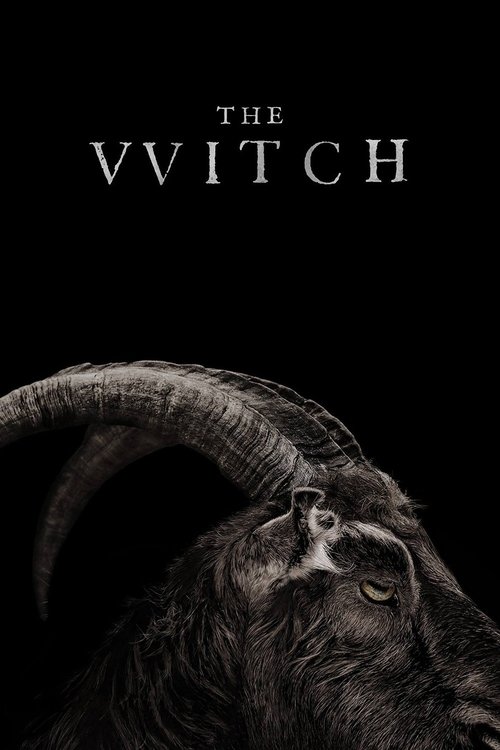
The Witch (2016)
Directed by Robert Eggers
No · Ultra Based
How we score movies →Consciousness Markers
The film documents genuine historical persecution of women through witchcraft accusations and portrays Thomasin's vulnerability within a patriarchal system. However, it presents this as historical fact rather than contemporary feminist critique. The film does not explicitly frame or interrogate these dynamics through a modern social justice lens.
The film engages with historical witch trials through a sympathetic lens to the accused, which aligns with modern historical scholarship. However, this represents scholarly consensus rather than revisionist reinterpretation. The film documents history as it is understood to have occurred.
The film maintains an anthropological distance from its subject matter, observing rather than instructing. Dialogue is period-appropriate and naturalistic. There is minimal preachy exposition or moral instruction, though the accumulated weight of the narrative carries implicit judgment of the family's paranoia.
The cast reflects the historical period accurately. There is no contemporary diversity casting or representation politics at work. The film prioritizes historical authenticity over demographic representation.
No LGBTQ+ themes or characters are present. The film is set in 1630 Puritan New England and makes no reference to sexual or gender diversity.
The film contains no engagement with racial themes or consciousness. It focuses on a white Puritan family in colonial New England without addressing Indigenous peoples, slavery, or racial dynamics of the period.
There is no climate activism or environmental messaging in the film. The forest setting is atmospheric and symbolic rather than a vehicle for climate consciousness.
The film contains no critique of capitalism or wealth inequality. It focuses on religious ideology and family dynamics within a pre-industrial agricultural setting.
There is no engagement with body positivity, fat acceptance, or contemporary body politics. The film's approach to the human body is historical and naturalistic.
No neurodivergence representation or themes are present. The film does not engage with autism, ADHD, mental health diagnoses, or neurodivergent identity politics.


Synopsis
In 1630, a farmer relocates his family to a remote plot of land on the edge of a forest where strange, unsettling things happen. With suspicion and paranoia mounting, each family member's faith, loyalty and love are tested in shocking ways.
Why it received this score
Robert Eggers' debut is a meticulous exercise in historical reclamation masquerading as folk horror. The film reconstructs a 1630s Puritan household with fetishistic attention to period dialect, costume, and theological neurosis. At its core lies a portrait of feminine vulnerability within a patriarchal system predicated on religious paranoia, though the film treats this more as atmospheric texture than as explicit social commentary. The persecution of Thomasin (Anya Taylor-Joy) emerges not from the filmmaker's desire to interrogate gender dynamics but from historical fact itself. The horror derives from watching an innocent young woman become the scapegoat for a family's collective psychological collapse, a dynamic that the film captures with considerable accuracy to actual witch trial mechanics. Yet Eggers maintains an anthropological remove, documenting rather than advocating.
The film's engagement with feminist themes operates at the level of historical documentation rather than contemporary cultural intervention. Thomasin's predicament reflects the genuine vulnerability of women in Puritan society, where any transgression or mere existence during times of stress could invite accusation. Her sexuality becomes a liability in a world that reads female maturation as spiritual corruption. However, the film does not explicitly frame this as a critique of misogyny or patriarchal violence in the language of modern social consciousness. It shows us the machinery of historical oppression with the precision of an anatomist, but it does not mount a contemporary argument about that machinery's persistence or injustice.
The supporting cast serves largely functional roles within the family unit. There is no attempt at demographic representation beyond the historical period, nor should there be. The film's cultural moment in 2015-2016 placed it in conversation with rising feminist scholarship about witchcraft history, though the film itself resists explicit ideological positioning. A viewer attuned to progressive sensibilities may read feminist implications into Thomasin's arc, but the film does not insist upon this reading. It remains a work of historical horror first and cultural commentary second, if at all.
Analysis generated by our Consciousness Algorithm
Critic Reviews
“Eggers manages to create a sense of mood and dread that is so suffocating at times that it feels like we're watching something genuinely transgressive, something we should not be seeing.”
“A deeply impressive first film by director Robert Eggers, “The Witch” is immaculately constructed, evinces an exquisitely ominous tone, and is unequivocally haunting. It’s exacting look at the dissonance of human nature is terrifying.”
“The Witch is one of the most genuinely unnerving horror films in recent memory because Eggers has the guts to earn your fear. ”
“Early on, it seems that The Witch is tapping a higher metaphor for coming of age...or religious intolerance...or man's uneasy balance with nature...or something. It doesn't take long into the film's hour and a half running time, however, to break that spell.”