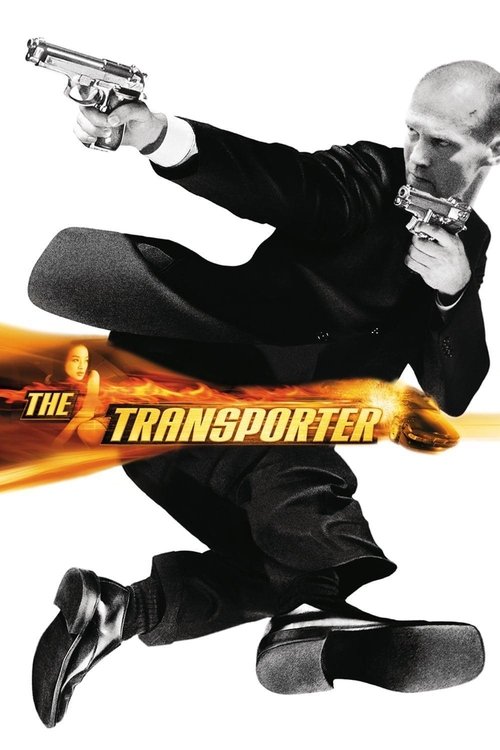
The Transporter (2002)
Directed by Corey Yuen
No · Ultra Based
How we score movies →Consciousness Markers
The film includes international cast members including Shu Qi, but casting reflects production logistics rather than intentional diverse representation strategy.
No LGBTQ+ themes, characters, or representation present in the film.
No feminist themes or gender-conscious messaging. Female character exists within traditional rescue narrative framework.
No racial consciousness, commentary on race, or examination of racial dynamics in the narrative.
No climate change messaging, environmental themes, or climate-related plot elements.
No critique of capitalism, wealth inequality, or institutional power structures.
No body positivity messaging or commentary on physical appearance and body standards.
No representation of neurodivergent characters or exploration of neurodivergence.
No historical reframing or revisionist historical narratives present.
No preachy messaging, exposition-heavy social commentary, or lecture-style narrative delivery.


Synopsis
Former Special Forces officer Frank Martin will deliver anything to anyone for the right price, and his no-questions-asked policy puts him in high demand. But when he realizes his latest cargo is alive, it sets in motion a dangerous chain of events. The bound and gagged Lai is being smuggled to France by a shady American businessman, and Frank works to save her as his own illegal activities are uncovered by a French detective.
Why it received this score
The Transporter is a 2002 action film constructed entirely from the blueprint of early-2000s commercial cinema, a period when studios viewed social consciousness as an obstacle to narrative momentum rather than a feature. The film features Shu Qi in a prominent role, but her presence serves the plot mechanics of rescue and romance rather than any deliberate exploration of gender, representation, or power dynamics. She exists in the narrative because the story requires her to, not because the filmmakers have wrestled with how to depict her character with particular awareness or intentionality.
The film is aggressively apolitical. It contains no commentary on capitalism, no environmental messaging, no examination of institutional power, no LGBTQ+ themes, no interrogation of historical narratives, and no preachy impulse whatsoever. The international cast reflects the production's European financing and logistics rather than any commitment to casting as cultural statement. Every element serves the action sequences and plot mechanics. The film wants nothing from the viewer except their ticket price and their willingness to watch Jason Statham execute increasingly improbable automobile stunts.
This is not a moral failing of the film, merely a statement of its historical moment and commercial purpose. The Transporter exists in the pre-wokeness era of action cinema, when such films had no obligation to perform social consciousness. It is what it is: a functional, entertaining product designed to move bodies through space at high velocity. Its complete absence of contemporary progressive sensibility is not a bug but a feature of its historical specificity.
Analysis generated by our Consciousness Algorithm
Critic Reviews
“The best movie Steven Seagal never made. Except that Statham, while just as marked for death, is harder to kill.”
“A blending of international film sensibilities -- France meets Hollywood meets Hong Kong -- with a very cool anti-hero protagonist.”
“That the movie becomes silly isn't necessarily a problem, but it also becomes tiresome, degenerating into a series of martial arts interludes -- everyone unaccountably leaves his guns at home.”