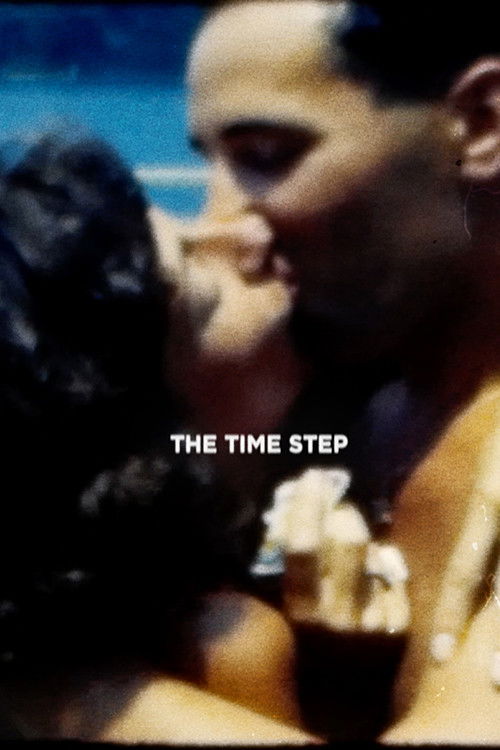
The Time Step (2026)
Directed by Robert Kolodny
No · Ultra Based
How we score movies →Consciousness Markers
The film features Estelle Shorr, a woman from the mid-20th century, but this appears incidental to a family portrait rather than deliberate casting for representation. No evidence of diverse casting considerations in what is a personal archival project.
As a commissioned festival work, the film may contain some curatorial intent, but a personal archival project typically favors observation and memory over preachy explanation or cultural instruction.
A portrait of a woman could theoretically engage with feminist consciousness, but the synopsis gives no indication of such framing. Any feminist commentary would be embedded in Kolodny's editorial choices rather than explicit thematic engagement.
By curating and framing historical footage, any documentary engages in some form of historical interpretation, but this appears to be personal memory work rather than explicit revisionist historiography.
An archival film from 1940s-1960s footage will contain historical context of that era, but no evidence suggests deliberate racial consciousness or commentary on race in the available information about the work.
A film depicting a woman across decades of life will necessarily show various physical presentations, but no evidence suggests deliberate body positivity framing or commentary on beauty standards.
The act of archival restoration and personal documentary work exists somewhat outside market logic, but this reflects artistic practice rather than explicit anti-capitalist positioning or critique.
No available evidence of LGBTQ+ themes in this archival family documentary. The work centers on historical footage and personal memory rather than sexual or gender identity.
No climate-related themes apparent in a personal family documentary constructed from archival footage spanning the mid-20th century.
No available information suggests engagement with neurodivergence themes in this archival family portrait.
Synopsis
A portrait of the filmmakers grandmother made from self scanned 8mm footage from 1940's-1960's. Commissioned for the 2026 True/False Film Festival.
Why it received this score
Robert Kolodny's "The Time Step" occupies that peculiar documentary space where personal and historical intersect, though not always with intention. The film is, by all available evidence, an intimate archival project: self-scanned 8mm footage of Kolodny's grandmother spanning the 1940s through 1960s, curated into what amounts to a visual elegy for a life already lived and remembered. There is nothing inherently progressive about this approach, nor should there be. The work exists in a register of memory and family archaeology rather than social commentary.
What cultural awareness the film possesses appears incidental to its primary purpose. A portrait of a woman from that era, compiled from found footage, will necessarily contain the visual traces of that period: fashion, domestic life, the unstated hierarchies of gender and class embedded in mid-century American life. Whether Kolodny's curation draws attention to these elements or simply allows them to exist as atmosphere remains unclear without viewing. The film's status as a commissioned work for True/False, a festival known for socially conscious documentary programming, suggests some institutional expectation of thematic weight, yet the available synopsis offers no evidence of explicit engagement with historical consciousness or revisionist framing.
Ultimately, "The Time Step" reads as an act of preservation rather than provocation. It is a director's meditation on his family's past, rendered through the materiality of deteriorating film stock and the labor of restoration. Such projects merit consideration on their own terms, not as proxy sites for contemporary cultural conversation. The film's modest social consciousness score reflects not a failure of artistic ambition but an honest assessment of what the work appears to be: a personal document, not a manifesto.
Analysis generated by our Consciousness Algorithm