The Terminal (2004)
Directed by Steven Spielberg
No · Ultra Based
How we score movies →Consciousness Markers
The cast includes actors of color (Chi McBride, Zoe Saldaña, Diego Luna) in supporting roles, but they function as background characters without explicit representation commentary.
The film sympathetically portrays an immigrant protagonist and multicultural airport setting, but lacks explicit engagement with systemic racism or contemporary racial consciousness.
Catherine Zeta-Jones plays a conventional romantic interest and airport employee. No feminist framework or commentary on gender dynamics.
While the film mildly critiques airport bureaucracy, it ultimately celebrates American capitalism and entrepreneurship as Viktor succeeds within the system.
The film conveys its humanist message through narrative and character action rather than preachy exposition or explicit messaging.
No LGBTQ+ themes, characters, or content present in the film.
No environmental themes or climate-related content in the narrative.
No body positivity themes or discussion of diverse body representation.
No representation or exploration of neurodivergent characters or conditions.
Not a historical film, so this marker does not apply.


Synopsis
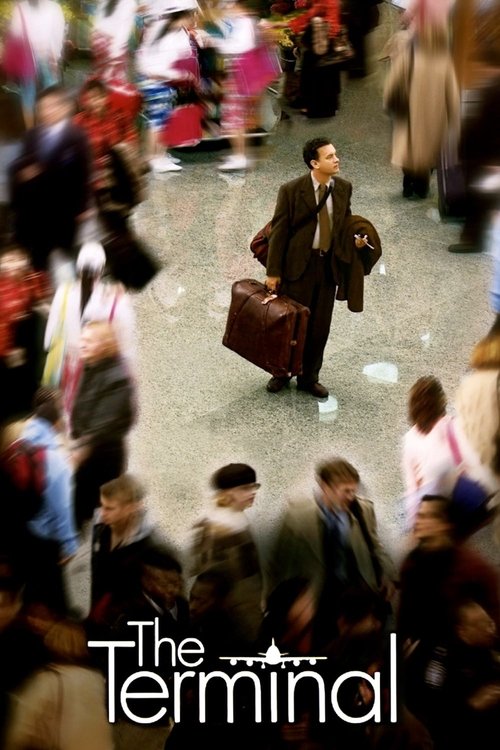
An Eastern European tourist unexpectedly finds himself stranded in JFK airport, and must take up temporary residence there.
Why it received this score
The Terminal represents a particular moment in American cinema when Spielberg and Hanks could deliver a humanist parable about immigration without the contemporary apparatus of progressive critique. The film treats its Eastern European protagonist with genuine sympathy and allows him agency within its narrative, but it does so through the lens of mid-2000s liberal sentimentality rather than through any engagement with systemic analysis or identity politics. The supporting cast includes actors of color and the film's treatment of various airport workers is respectful, yet these elements feel incidental to the narrative rather than central to any explicit commentary on representation or belonging. What emerges is a film that is kind, optimistic, and fundamentally optimistic about American institutions, even as it gently mocks bureaucratic incompetence. This is precisely the kind of earnest, well-intentioned cinema that predates the current cultural moment. Spielberg made a film about an outsider navigating a system, and he resolved it through individual charm and hard work. The Terminal does not interrogate the system itself. One watches it now with the recognition that its progressive sympathies are those of an earlier era, before contemporary discourse demanded deeper structural critique. The film remains watchable, even touching, but it occupies a different cultural register entirely from what would be expected of such a premise today.
Analysis generated by our Consciousness Algorithm
Critic Reviews
“The movie is a delight in many ways: an unabashed romantic comedy and Capraesque fable that takes Spielberg into realms he's rarely traveled before. ”
“Like a story-spinner from the "Tales of the Arabian Nights," Steven Spielberg begins by demanding we accept impossible things. If we do, his spell can enchant us; if not, it must vanish like colored smoke. ”
“A sweet and delicate comedy, a film to make you hold your breath, it is so precisely devised. It has big laughs, but it never seems to make an effort for them.”
“As he showed in the recent "Catch Me if You Can," also a Hanks vehicle, Spielberg has little talent for emotional realism, not to mention psychological suspense. He should scurry back to "Jurassic Park" as soon as the next flight leaves. ”