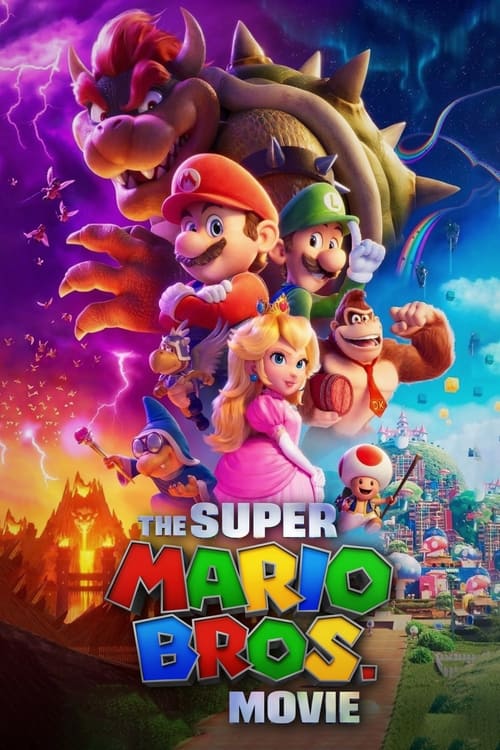
The Super Mario Bros. Movie (2023)
Directed by Aaron Horvath · $245.3M domestic
No · Ultra Based
How we score movies →Consciousness Markers
The cast includes some diversity in voice roles, but casting choices are primarily driven by star power and comedic appeal rather than representation goals. The film makes no statements about representation.
Princess Peach exhibits basic agency as a character, but this reflects standard modern storytelling rather than feminist consciousness. No interrogation of gender dynamics occurs.
The film avoids preachy messaging entirely, though certain character moments contain mild moral instruction about courage and loyalty that remains entirely in service of plot.
The film features diverse characters in its kingdom, but their presence serves no purpose beyond world-building. No racial themes or consciousness informs the narrative.
The villain pursues power and conquest, but this reflects generic fantasy antagonism rather than critique of economic systems or wealth accumulation.
No LGBTQ+ themes, characters, or references appear in the film. The narrative shows no romantic or relational complexity that would suggest such content.
Environmental themes are entirely absent. The magical world's destruction poses no commentary on ecological collapse or climate consciousness.
No body positivity themes appear in the film. Character designs follow traditional fantasy conventions without commentary on physical diversity.
No neurodivergent characters or representation appears. The narrative contains no engagement with disability or cognitive difference.
The film exists in a fantastical realm disconnected from historical reality. No historical revisionism or reframing occurs.


Synopsis
While working underground to fix a water main, Brooklyn plumbers—and brothers—Mario and Luigi are transported down a mysterious pipe and wander into a magical new world. But when the brothers are separated, Mario embarks on an epic quest to find Luigi.
Why it received this score
The Super Mario Bros. Movie arrives as a thoroughly anodyne piece of intellectual property stewardship, content to exist as a vehicle for recognizable characters and Nintendo nostalgia rather than as a platform for cultural commentary of any kind. The film's narrative concerns itself entirely with the mechanics of adventure and brotherhood, offering no particular perspective on class, identity, or the systems that govern its world. One observes a kingdom populated by various creatures and a villain with ambitions of conquest, but these elements serve purely functional storytelling purposes. There is no attempt to interrogate or reimagine the source material through any contemporary social lens, nor does the film appear remotely interested in such pursuits.
The casting of Chris Pratt as Mario generated modest discourse upon announcement, yet the film itself contains no metacommentary on voice acting, authenticity, or representation. The ensemble cast performs their assigned roles without pretension or agenda. Princess Peach appears as a character of agency, though this reflects basic narrative competence rather than feminist consciousness. The villainous Bowser possesses his own emotional arc, but this development serves the story's emotional beats, not any broader commentary on masculinity or power dynamics. We find ourselves observing a film made with technical competence and commercial acumen, engineered precisely to avoid offense or challenge.
The movie's complete indifference to social commentary, political messaging, or cultural consciousness might be mistaken for restraint, but it reads more accurately as creative exhaustion. Here exists a work that has calculated its audience, its market position, and its acceptable parameters with the precision of an algorithm. It neither embraces nor rejects contemporary progressive sensibilities. It simply proceeds, a digital assembly of franchised content designed to extract maximum profit from multiple demographics through the simple expedient of being inoffensive and familiar. In this sense, it achieves precisely what it sets out to accomplish, which is to say nothing at all.
Analysis generated by our Consciousness Algorithm
Critic Reviews
“Nintendo knows what's great about the 'Super Mario Bros.' games, and perfectly brings them to life on the big screen.”
“The Super Mario Bros. Movie captures the spirit of the games, the deep history, and the incredible possibilities that these games have presented for decades, all in one of the most fun animated films in years, with a team behind it that you can feel loves these characters and this world.”
“The Super Mario Bros. Movie is a fireball of animated fantasy. Mario, Luigi, and Peach’s adventure delights with its infectious energy and smart implementations of video game callbacks, and the top-shelf animation renders the Mushroom Kingdom as an Oz-like wonderland that begs to be explored in the inevitable sequels that will follow.”
“The Super Mario Bros Movie is a frantic Easter egg hunt of a film that does the bare minimum to please its loyal existing fanbase. Those less enthralled by the antics of the moustachioed Italian plumber will wonder which of Donkey Kong’s weaponised barrels this joyless, noisy mess was scraped from.”