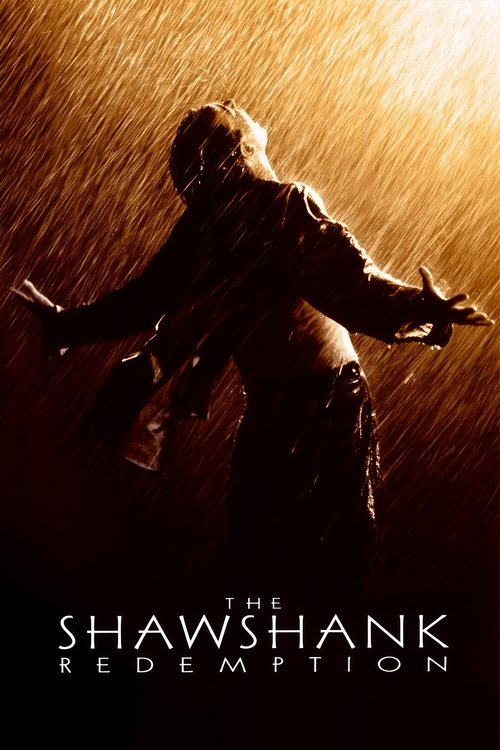
The Shawshank Redemption (1994)
Directed by Frank Darabont
No · Ultra Based
How we score movies →Consciousness Markers
Morgan Freeman is cast in a significant role, but the film does not treat this as a conscious statement about representation. His character is defined by moral wisdom and humanity rather than identity.
The film critiques institutional corruption and the warden's exploitation of inmate labor, but this critique operates within a moral framework rather than a systematic economic analysis.
While the film includes a Black character in a position of moral authority, it does not interrogate racism or racial structures as a primary theme or analytical framework.
The film trusts its narrative to convey themes implicitly. There is minimal preachy exposition or direct moral instruction to the audience.
No LGBTQ+ themes, representation, or commentary present in the film.
No feminist critique or engagement with gender politics. The film is centered entirely on male characters and male relationships.
Climate change and environmental concerns are entirely absent from the narrative.
No engagement with body positivity, body standards, or related themes.
No representation or discussion of neurodivergence or neurodivergent perspectives.
The film does not engage in revisionist historical reinterpretation or present alternative historical narratives.


Synopsis
Imprisoned in the 1940s for the double murder of his wife and her lover, upstanding banker Andy Dufresne begins a new life at the Shawshank prison, where he puts his accounting skills to work for an amoral warden. During his long stretch in prison, Dufresne comes to be admired by the other inmates -- including an older prisoner named Red -- for his integrity and unquenchable sense of hope.
Why it received this score
The Shawshank Redemption remains a meditation on institutional power, human dignity, and the redemptive possibilities of friendship, though it operates within a pre-contemporary cultural framework. The film's critique of the American prison system and its portrayal of systemic dehumanization are genuine and morally serious, yet they emerge from a humanist tradition that predates the constellation of modern progressive sensibilities by some distance. Morgan Freeman's character Red functions as the moral center and voice of the narrative, a choice that reflects the film's investment in human character over identity categories, which is to say the film does not consciously weaponize his presence as a statement of representation politics.
The 1994 setting and Frank Darabont's adaptation of Stephen King's novella prioritize universal themes of hope, friendship, and personal agency in the face of systemic corruption. There is no interrogation of institutional racism as such, no feminist critique of gender dynamics, no discussion of economic systems, and no self-conscious deployment of representation as a cultural statement. The film's violence, while depicted with seriousness, does not register as commentary on structural inequity in the contemporary sense. We encounter prison as a site of human suffering and moral testing, not as a text through which to read contemporary social hierarchies.
This is not a failing of the film, which remains admirably crafted and emotionally resonant. It is rather a reflection of its historical moment and artistic intentions. To score it as a contemporary cultural artifact requires acknowledging that it simply does not speak to or engage with the specific markers of 2020s progressive discourse. It is a good film about serious subjects, which is not the same as a film saturated with modern social consciousness.
Analysis generated by our Consciousness Algorithm
Critic Reviews
“A thumpingly good ode to friendship, hope, wit, wiles and wisdom, brimming with crackling characters and topped with the most twisteroo of twists since "The Crying Game."”
“In the lead roles, both Robbins and Freeman are outstanding, layering their performances with snippets of individuality: Their small, daily sustenances and minor triumphs are wonderfully inspiring.”
“This is simply marvelous entertainment that breathes life into a genre that I thought had been dead for a decade-the prison picture.”
“Speaking of jail, "Shawshank"-the-movie seems to last about half a life sentence. The story, chiefly about the 20-year friendship between Freeman and Robbins, becomes incarcerated in its own labyrinthine sentimentality.”