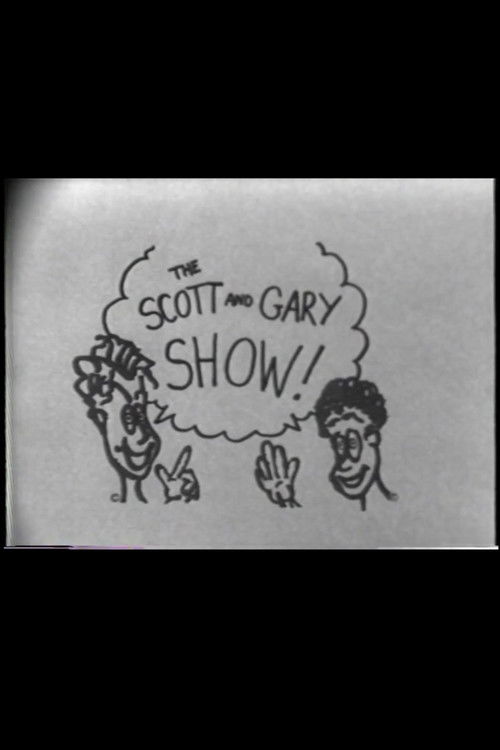
The Scott and Gary Show! (2026)
Directed by Gary Winter
No · Ultra Based
How we score movies →Consciousness Markers
The show featured a diverse roster of punk and indie acts, reflecting the actual demographic diversity of the underground music scene. However, the compilation makes no explicit effort to foreground or celebrate this diversity as a contemporary curatorial choice.
The underground music scene included artists of various backgrounds, but the compilation does not employ contemporary framing to emphasize racial diversity or discuss representation explicitly.
The punk ethos inherently contains anti-establishment elements, and public-access television was itself a critique of corporate media gatekeeping. However, the compilation does not explicitly frame this through contemporary anti-capitalist rhetoric.
The project appears to be a straightforward archival presentation with Q&A sessions rather than preachy commentary. There is no apparent attempt to instruct the viewer about what to think regarding social issues.
The show featured female performers and artists, but the compilation does not foreground gender analysis or feminist interpretation of the material. Female artists appear simply as artists.
The compilation presents archival material largely as-is, making no attempt to reinterpret or recontextualize historical events through a contemporary lens.
No evidence of explicit LGBTQ+ themes or messaging in the archival material or the compilation framing. The punk scene certainly included queer artists, but this is not highlighted or discussed.
No climate-related themes, messaging, or environmental consciousness evident in a music documentary from the 1980s or its modern compilation.
No visible body positivity messaging or contemporary discourse about body image. The performers are presented as they are without commentary.
No explicit representation of or dialogue about neurodivergence in the material or framing.
Synopsis
The Scott and Gary Show. was a pioneering NYC based public-access cable TV variety show that aired from 1983 to 1989. Paying a 1980's homage to 1960's TV dance parties, the show was a mix of alternative, punk, roots, and indie bands performing live along with a live audience and comedy skits. Compilation made for screenings at Spectacle.
Why it received this score
Here we have an archival compilation of a 1980s public-access television program, a project that operates entirely in the realm of historical documentation rather than contemporary cultural commentary. The Scott and Gary Show was, by all accounts, genuinely inclusive in its programming choices, featuring a diverse range of punk, indie, roots, and underground acts without apparent gatekeeping or exclusionary politics. This was simply how independent music venues operated in that era. The new compilation, curated for modern screening at Brooklyn's Spectacle Theater, makes no apparent attempt to retrofit the material with contemporary social consciousness or to impose a progressive interpretive framework upon its source material. The hosts and creators are male, the archival footage is what it is, and the project seems content to let the music and era speak for itself.
What social consciousness does exist in the film is incidental rather than intentional. The punk and underground music scene of 1980s New York was, by its nature, somewhat countercultural and included artists from various backgrounds, but the compilation does not appear to emphasize this through editing, framing, or contextual narration. There is no evident lecture about representation, no contemporary interviews attempting to extract progressive meaning from historical footage, no preachy apparatus suggesting that we should view this material through the lens of modern identity politics. The film simply presents the archive as archive.
For a contemporary project released in 2026, this restraint is almost refreshing, though it does mean the work scores low on most markers of contemporary progressive sensibility. The film is not interested in being seen as politically conscious. It is interested in being a time capsule, a preservation effort, a celebration of an underground music scene that existed before such categorization became fashionable. Whether this constitutes a virtue or a limitation depends entirely on one's view of whether documentary materials require interpretive scaffolding to justify their existence.
Analysis generated by our Consciousness Algorithm