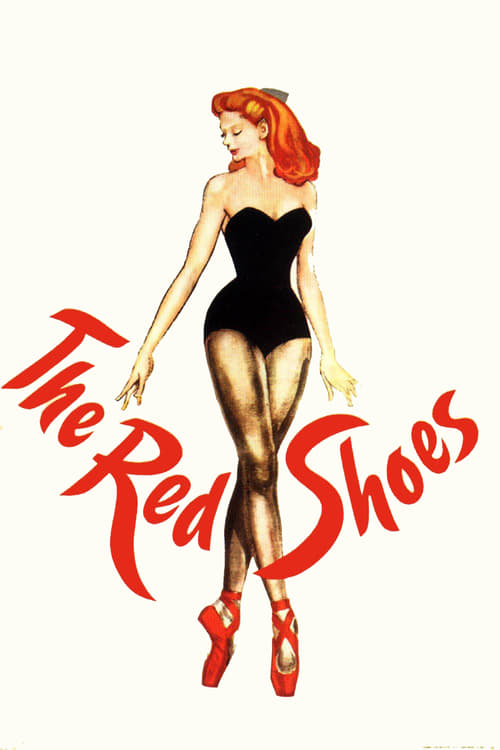
The Red Shoes (1948)
Directed by Michael Powell
No · Ultra Based
How we score movies →Consciousness Markers
The international ballet company includes dancers from multiple countries, but this reflects the historical reality of European ballet rather than conscious representation politics. The lead is female, but her characterization emerges from the narrative itself rather than from modern diversity frameworks.
While Victoria Page is driven and talented, the film does not advance a feminist agenda. Her tragedy stems from romantic and professional conflict, not from commentary on patriarchal systems. The narrative ultimately punishes her ambition in service of melodrama.
The film depicts the rigid hierarchies and exploitative nature of the ballet company, but this is narrative tension rather than systemic critique. There is no anti-capitalist message or ideology.
The film contains no explicit LGBTQ+ themes or representation. Any coded readings of the ballet world are products of modern interpretation, not authorial intent.
The film contains no racial consciousness work, no commentary on race, and no engagement with racial themes. The casting reflects European ballet demographics of the period.
Climate themes are entirely absent from this work. The film is unconcerned with environmental matters.
The film celebrates elite ballet bodies and artistic discipline. There is no body positivity discourse or challenge to beauty standards. The aesthetic is entirely classical and traditional.
Neurodivergence representation is entirely absent. The film contains no engagement with disability, mental health, or neurodivergent identities in any contemporary sense.
The film makes no attempt to revise or reinterpret history. It is set in a fictional ballet company and contains no historical narrative.
The film delivers no lectures about social justice, systemic oppression, or moral instruction. It is purely narrative and artistic in its concerns.


Synopsis
A fledgling ballerina falls in love with a brilliant composer, but the jealous head of the ballet company plots to drive them apart.
Why it received this score
The Red Shoes is a triumph of visual storytelling and technical achievement, and it happens to center a capable female protagonist, but this is not a work of contemporary progressive cinema. The film was made in 1948 by British filmmakers working within the classical studio system, and it bears no markers of 2020s cultural consciousness. Victoria Page is a complex, ambitious character, but her complexity arises from the film's own romantic and artistic preoccupations, not from a modern feminist project. The international cast reflects the European ballet world rather than any commitment to representation politics. The narrative offers no social commentary, no racial consciousness, no LGBTQ+ themes, no climate messaging, no critique of capitalism, no body positivity discourse, and no lectures about neurodivergence or systemic injustice.
What we find instead is a film concerned entirely with the collision between art and love, between duty and desire. Powell and Pressburger treat their material with such visual and emotional sophistication that the film transcends its melodramatic premise. The famous twenty-minute ballet sequence remains a work of pure cinema. Yet this transcendence has nothing to do with social awareness or progressive sensibility. It is the product of craft, vision, and a particular moment in British cinema history.
The modest score reflects only the film's natural centrality of a female character and the international casting within the ballet world, neither of which constitute contemporary "wokeness" in any meaningful sense. This is a film for those who believe cinema can be great without bearing the burden of ideological instruction.
Analysis generated by our Consciousness Algorithm
Critic Reviews
“The Red Shoes showed me I could transcend who I was born as and become who I knew I was supposed to be.”
“Powell and Pressburger's films stand up because they tap into the human condition while pushing cinematic boundaries, and this is one of their most indelible fables.”
“Black Swan wouldn't exist without The Red Shoes, a film about the most primitive human emotions, through the most exquisite forms of art.”
“A lingering, calf-eyed look at backstage ballet's little world of overworked egos and underdone glands.”