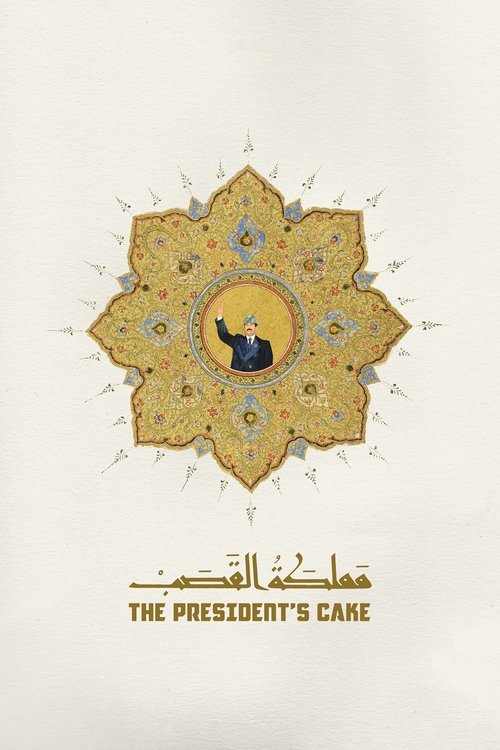
The President's Cake (2025)
Directed by Hasan Hadi
No · Ultra Based
How we score movies →Consciousness Markers
The film depicts poverty and economic desperation caused by sanctions, which could be read as critique of capitalist systems. However, the primary target is political authoritarianism, not capitalism itself, and there is no ideological positioning against markets.
The film offers a historical perspective on Iraq in the 1990s, but from a lived experience standpoint rather than revisionist reframing. It documents real events without imposing contemporary moral frameworks onto historical actors.
The cast is entirely Iraqi and drawn from the actual region, but this reflects authentic production rather than deliberate diversity casting. The protagonist is female, but her gender is incidental to the narrative of survival.
While the protagonist is a girl, the film does not foreground gender as a category of analysis. Lamia's struggles are universal childhood struggles under oppression, not specifically gendered struggles, and the film does not interrogate patriarchy or male power.
The film depicts Iraqi life and Iraqi perspectives, but does not employ the contemporary framework of racial consciousness or engage in the language of racial justice. It is a film by an Iraqi director about Iraqis, not a film about race.
The film maintains documentary restraint and does not lecture audiences about the nature of authoritarianism or injustice. Characters speak naturally; ideology is not foregrounded through exposition or preaching.
No LGBTQ+ themes, characters, or representation appear in the film. The narrative concerns are entirely focused on survival under authoritarianism and economic hardship.
No environmental themes or climate consciousness appear in the film. The focus is entirely on political oppression and economic hardship, not ecological concerns.
Body positivity themes do not appear in the film. The depiction of bodies reflects the realities of poverty and malnourishment under sanctions, not any contemporary movement.
No representation of neurodivergence, disability, or neurodivergent perspectives appears in the film. The narrative does not engage with these categories.
Synopsis
In 1990s Iraq, it's 'draw day', when schools select students for the honour of bringing items to their mandatory local celebrations of President Saddam Hussein's birthday. Nine-year-old Lamia lives in the historic marshes with her spirited grandmother, Bibi. Before school, Bibi teaches Lamia clever tricks to avoid being chosen for the baking duties. However, when Musa, the authoritative teacher, calls Lamia's name for the most challenging task–the birthday cake–she has no choice but to accept. Refusing could mean imprisonment or even death.
Why it received this score
Hasan Hadi's debut feature is a neorealist examination of childhood under authoritarian oppression, not a vehicle for contemporary progressive sensibilities. The film documents genuine historical brutality: the destruction of Iraqi innocence through Saddam Hussein's regime and the devastating effects of international sanctions on ordinary families. This is serious cinema about serious suffering, which we must be careful not to confuse with the particular cultural markers of 2020s social consciousness. The protagonist is female and poor, but these details emerge organically from the historical context rather than from any deliberate effort to foreground identity categories as a form of moral accounting.
What distinguishes this film from the contemporary progressive sensibility is its refusal to perform activism. There are no speeches about systemic injustice, no moments of self-aware recognition of marginalization, no suggestion that naming oppression constitutes a form of resistance. Instead, Hadi presents the grinding reality of daily life under dictatorship with a kind of documentary restraint. A child must gather ingredients for a cake or face potential execution. The grandmother teaches her granddaughter practical survival skills. Baghdad is chaos. These facts are presented without commentary, without the contemporary impulse to interrogate power structures through dialogue or to educate the audience about the nature of fascism.
The film's restraint is precisely what makes it valuable as cinema and precisely what keeps its progressive consciousness score modest. This is a work about historical injustice told from the perspective of someone who lived through it, not a contemporary film using historical injustice as a canvas for exploring modern identity politics. One does not mistake moral seriousness for cultural progressivism.
Analysis generated by our Consciousness Algorithm
Critic Reviews
“It’s difficult to think of another debut that combines such crowd-pleasing sensibilities, political resonance, and cinematic sweep.”
“From the pastoral beauty of its opening sequence to the gut punch of its last, Hadi’s film is an exceptional screen debut, as perceptive as it is kinetic and, with one eye on the bombers overhead, brimming with life.”
“Filtering the tale through Lamia’s childlike whimsy allows the colourful, polished cinematography to sing.”