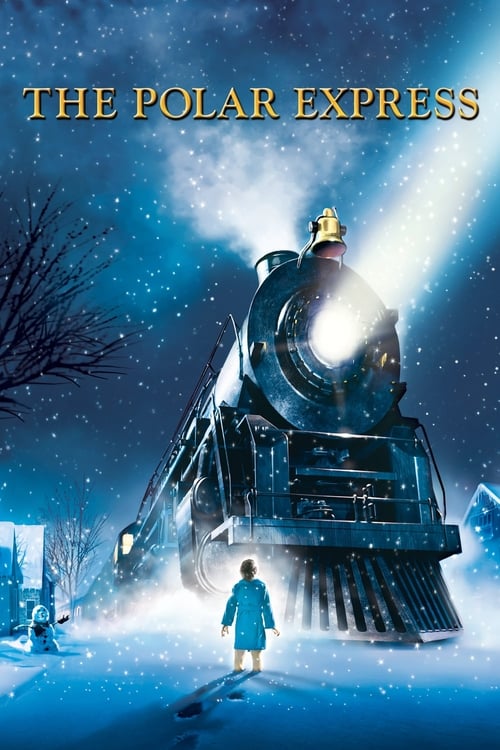
The Polar Express (2004)
Directed by Robert Zemeckis
No · Ultra Based
How we score movies →Consciousness Markers
The cast includes actors of color, but their presence is incidental to the narrative with no explicit engagement with representation or diversity as a theme.
No LGBTQ+ characters, themes, or representation present in the film.
No feminist critique, gender commentary, or agenda present in the narrative.
The film does not engage with racial themes, history, or consciousness in any meaningful way.
No climate or environmental messaging present beyond the North Pole setting.
No anti-capitalist themes or critique of economic systems present in the film.
No body positivity messaging or commentary on body representation present.
No representation or thematic engagement with neurodivergence.
The film is not based on historical events and contains no historical revision.
While thematic, the film does not lecture audiences about social issues or progressive values.


Synopsis
When a doubting young boy takes an extraordinary train ride to the North Pole, he embarks on a journey of self-discovery that shows him that the wonder of life never fades for those who believe.
Why it received this score
Robert Zemeckis' "The Polar Express" remains a curious artifact of early 2000s holiday entertainment, a film so thoroughly committed to the universal language of childhood wonder that it bypasses any engagement with contemporary social consciousness entirely. The narrative concerns itself with belief, doubt, redemption, and the magic of Christmas, operating in a register of pure fantasy that predates and exists beyond the cultural frameworks we now associate with progressive sensibilities. Tom Hanks leads an ensemble cast through a motion-capture spectacle that aims for timelessness rather than timeliness.
The film's diversity is incidental and unremarkable in the best possible sense. Characters of different racial and ethnic backgrounds inhabit the story without comment or fanfare, existing simply as children aboard a train. There is no representation politics at work here, no careful calibration of casting to demonstrate awareness. The film simply contains people who look like people, which in 2004 constituted neither progressive virtue signaling nor conservative alarm. The absence of any thematic engagement with identity, inequality, or social structure is complete.
What emerges is a film that operates in an older register of family entertainment, one concerned with wonder, belief, and the preservation of childhood innocence. There are no lectures here, no climate warnings, no deconstructions of capitalism or gender. The Polar Express belongs entirely to a pre-conscious moment in cinema, and its sincerity on this point is almost moving. It is a film that seems to believe, genuinely and without irony, that Christmas magic transcends politics.
Analysis generated by our Consciousness Algorithm
Critic Reviews
“A story that soars with breakneck pace but slows in all the tender moments. Visually, this train ride is both majestic and edge-of-your-seat. ”
“An enchanting, beautiful and brilliantly imagined film.”
“A movie for more than one season; it will become a perennial, shared by the generations. It has a haunting, magical quality because it has imagined its world freshly and played true to it, ”
“The result is a failed and lifeless experiment in which everything goes wrong. ”