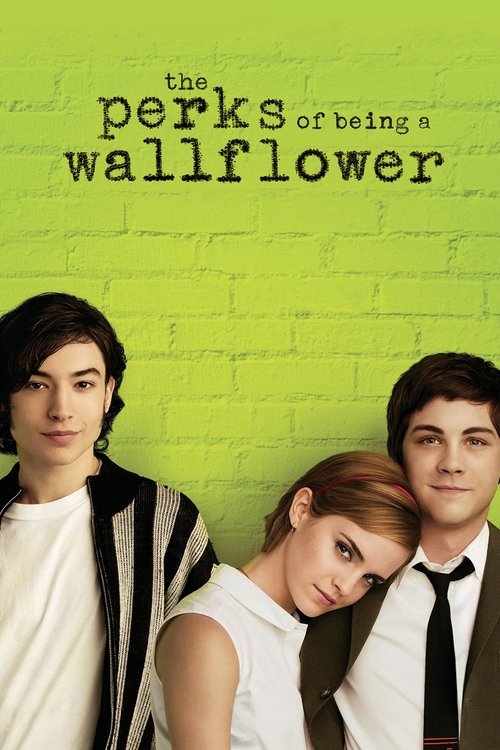
The Perks of Being a Wallflower (2012)
Directed by Stephen Chbosky
No · Based
How we score movies →Consciousness Markers
Patrick's character provides LGBTQ+ representation and his relationship with Brad addresses homophobia directly. However, the portrayal relies on gay best friend stereotypes and the film does not deeply interrogate queer identity or systemic discrimination.
The cast reflects demographic diversity with Emma Watson and Nina Dobrev, and the ensemble feels naturally integrated rather than tokenistic. However, the diversity serves the story rather than making explicit statements about representation.
Sam embodies female sexual agency and independence, but she exists primarily as a catalyst for Charlie's growth rather than as a fully developed character with her own narrative arc or feminist consciousness.
Charlie's depression and trauma are central to the narrative, but the film does not use modern terminology or frameworks for neurodivergence. Mental illness is treated as a literary concern rather than a social justice issue.
The film features actors of various backgrounds in the ensemble, but race is not addressed or interrogated in any meaningful way. Diversity is present but not conscious.
While the film celebrates acceptance of different personality types and social outsiders, there is minimal explicit engagement with body positivity or challenge to beauty standards.
The film's approach is exploratory and introspective rather than preachy. While it has progressive sensibilities, it does not lecture the viewer or insist on moral education.
There is no evidence of climate consciousness, environmental themes, or ecological awareness in this coming-of-age narrative.
The film contains no anti-capitalist critique, no examination of wealth inequality, and no 'eat the rich' messaging. Class is not a thematic concern.
The film is set in 1991 and does not attempt to reframe historical events or challenge established historical narratives. No revisionist impulse is evident.


Synopsis
Pittsburgh, Pennsylvania, 1991. High school freshman Charlie is a wallflower, always watching life from the sidelines, until two senior students, Sam and her stepbrother Patrick, become his mentors, helping him discover the joys of friendship, music and love.
Why it received this score
The Perks of Being a Wallflower occupies an interesting position in the cultural timeline, arriving in 2012 with progressive sensibilities that now read as proto-woke rather than fully aligned with contemporary social consciousness. The film's treatment of LGBTQ+ identity through Patrick and Brad provides early representation of gay youth navigating high school, yet the portrayal relies on familiar tropes, with Patrick functioning partly as the sensitive, artistic gay best friend and Brad embodying the closeted athlete archetype. The depiction of homophobia is present but not interrogated with particular depth, serving more as backdrop to Charlie's personal journey than as a subject worthy of sustained examination.
The film's approach to representation feels organic rather than performative. Emma Watson's Sam represents a form of female autonomy and sexual agency that was countercultural for 1991-set teen cinema, though the narrative ultimately positions her as a healing figure for Charlie rather than a fully realized character with her own arc. The ensemble cast reflects demographic diversity without the self-conscious signposting that would arrive in later years. Mental health emerges as a central concern with Charlie's depression and trauma, yet the film predates modern frameworks for discussing neurodivergence or psychological treatment, opting instead for a more literary, introspective approach.
What distinguishes this film is its commitment to humanist values rather than ideological positioning. There is no lecture energy, no preachy insistence on the viewer's moral education, no anti-capitalist posturing or climate consciousness. The wallflower framework is ultimately about individual alienation and acceptance rather than systemic critique. The film's social awareness operates at the level of empathy and inclusion, values that predate and transcend the specific cultural markers that define contemporary progressive consciousness. It is a sincere film about misfits finding belonging, which may be the least woke of all possible narratives.
Analysis generated by our Consciousness Algorithm
Critic Reviews
“The movie is tough-minded: It zeroes in on Patrick's anger at dating a closeted football star, and it doesn't let Charlie off the hook for his cruelty or self-pity. ”
“The Perks of Being a Wallflower hurts. It hurts because it depicts the loneliness, anxiety and all-out quivering mess of adolescence in a manner not often seen since John Hughes' heyday. ”
“I adore The Perks of Being a Wallflower for its honest, unsentimental feel, which gets stretched a bit in the revelatory finale, but by then I didn't mind. ”
“A risible, somewhat revolting piece of pop martyrdom, made for and isolated to the damaged middle class. ”