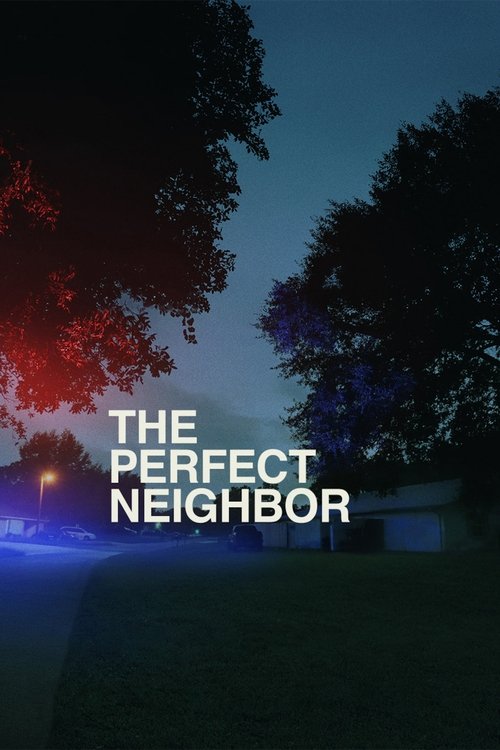
The Perfect Neighbor (2025)
Directed by Geeta Gandbhir
Yes · Woke
How we score movies →Consciousness Markers
The documentary explicitly examines prejudice and the racial dimensions of the incident, positioning these as central to understanding how the tragedy occurred. The framing of the case through the lens of fear and bias across racial lines is unmistakable.
The documentary employs bodycam footage as evidence to construct an argument about systemic legal frameworks and prejudice, functioning as an extended examination of how social structures enable violence. The pedagogical intent is pronounced.
As a documentary, casting is not applicable. The subjects appear as themselves.
No LGBTQ+ themes are evident in the documentary's subject matter or focus.
While the case involves women, there is no indication the film centers feminist analysis or gender dynamics as a primary theme.
No climate-related themes are present in this documentary about a neighborhood dispute.
The documentary does not engage with anti-capitalist critique or systemic economic analysis.
Body positivity is not a theme in this crime documentary.
No neurodivergence representation or themes are evident in the documentary.
The documentary does not engage in revisionist historical narratives; it documents a contemporary incident.


Synopsis
Police bodycam footage reveals how a long-running neighborhood dispute turned fatal in this documentary about fear, prejudice and Stand Your Ground laws.
Why it received this score
Geeta Gandbhir's documentary examines a fatal neighborhood confrontation through the lens of systemic legal frameworks and interpersonal prejudice, using bodycam footage as its primary evidence. The film's central preoccupation with Stand Your Ground laws positions it squarely within contemporary discourse about how legal structures enable violence, particularly across racial lines. By foregrounding the question of prejudice as a catalyst for fatal outcomes, the documentary treats its subject matter as a case study in how fear and bias interact with permissive self-defense statutes. The work does not shy away from interrogating the broader social architecture that permitted the incident to occur. This represents the kind of documentary activism that has become increasingly common in prestige media, where systemic critique is treated as the primary investigative mission. The film's engagement with these themes is direct and unambiguous, functioning less as neutral documentation and more as a structured argument about culpability and legal complicity.
Analysis generated by our Consciousness Algorithm
Critic Reviews
“Gandbhir could have arranged all of this like a book report with a foregone conclusion, yet she trusts in the truth of this story and the intelligence of her audience to pull apart the necessary history and sociopolitical context of it all. ”
“Gandbhir isn’t here to provide those answers, but with her unembellished, formally compelling vision, she gives all the evidence needed for those in power to rethink the laws and systems in place.”
“As evidence mounts, The Perfect Neighbor steadily and deftly builds momentum until its crushing apogee. ”
“As a way of capturing the horrors of that night, the spareness of the film-making is powerful. But in terms of giving us the full picture, it falls short.”