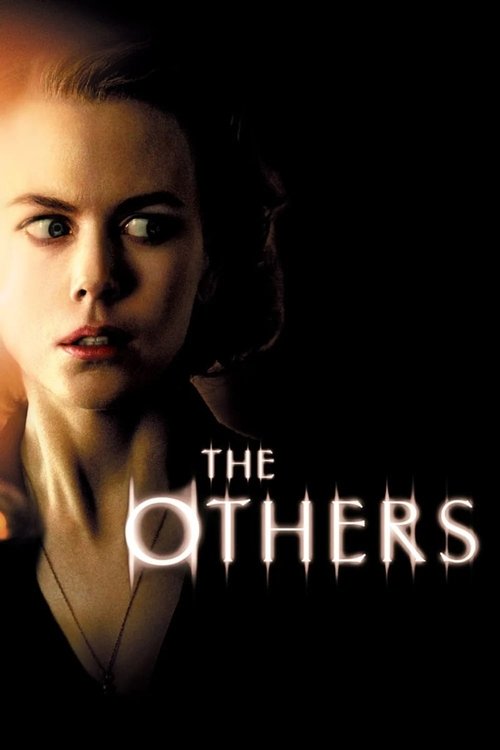
The Others (2001)
Directed by Alejandro Amenábar
No · Ultra Based
How we score movies →Consciousness Markers
The children's rare photosensitivity condition could be read as neurodiversity, but the film treats it primarily as a plot device and medical affliction requiring protection rather than as meaningful representation.
Nicole Kidman's Grace is the central protagonist who drives the narrative and makes protective decisions for her family. However, the film prioritizes horror and mystery over feminist themes, and her agency is not framed through a modern progressive lens.
While Grace's religious faith is central to her character, the film is primarily driven by horror and mystery rather than delivering moral lectures or progressive messaging.
The cast is predominantly white, reflecting a period gothic setting without contemporary diversity considerations. No evidence of intentional progressive casting.
No LGBTQ+ characters, relationships, or themes are present in the film.
The film contains no exploration of racial themes, racial identity, or racial consciousness. The narrative is entirely divorced from racial considerations.
No environmental or climate-related themes appear in this gothic horror story.
The film contains no critique of capitalism, wealth disparity, or class systems. The manor setting is incidental to the horror narrative.
No body positivity themes or contemporary body image discourse appear in the film.
The film is a fictional gothic horror story with no basis in historical events and makes no attempt to reinterpret history.


Synopsis
Grace is a religious woman who lives in an old house kept dark because her two children, Anne and Nicholas, have a rare sensitivity to light. When the family begins to suspect the house is haunted, Grace fights to protect her children at any cost in the face of strange events and disturbing visions.
Why it received this score
The Others arrives as a masterfully constructed gothic horror film that proves one can build genuine suspense and narrative complexity without recourse to progressive cultural preoccupations. Director Alejandro Amenábar crafts a tale of isolation, faith, and maternal protection that functions as a locked-room mystery executed with technical precision. Nicole Kidman anchors the film as Grace, a woman whose religious conviction and fierce protectiveness toward her light-sensitive children define her character, though the film treats these traits as personality traits rather than as vehicles for contemporary social messaging.
The film's central conceit involves children with photosensitivity, a condition that technically touches on disability representation but remains fundamentally a plot mechanism. We are not invited to consider the children's experience as neurodivergent individuals deserving of society's accommodation or understanding. Instead, their condition justifies the film's gothic atmosphere of darkened rooms and isolation. The narrative logic demands their affliction, and the film moves forward without pause for reflection on disability as identity or social consciousness. Grace functions as a strong female protagonist, but her strength emerges from maternal instinct and religious conviction rather than from any engagement with feminist ideology or contemporary gender theory.
What we have, finally, is a work of craft and suspense that predates the cultural moment in which progressive sensibilities became a meaningful category of analysis in contemporary cinema. The film was released in 2001, before the 2010s cultural inflection point that would reshape how progressive sensibilities manifest in film. The Others exists in a different register entirely, concerned with mood, mystery, and the mechanics of narrative misdirection. It is a film that cares nothing for the categories by which we now measure cultural consciousness, and perhaps that indifference is precisely why it continues to function as effective cinema.
Analysis generated by our Consciousness Algorithm
Critic Reviews
“Only some bumpy, arid passages in the script keep The Others out of the master class occupied by the likes of "The Sixth Sense" and, my favorite, 1961's "The Innocents."”
“An elegantly crafted entertainment, balanced between the psychological and the supernatural, that gets extra credit for not relying on computer effects.”
“This is one scary movie, not because we see ghosts or monsters, but because Kidman makes us feel her fear as our own.”
“What Amenabar offers here is an unconvincing, pretentiously artsy pastiche of just about every hoary old gothic thriller you can think of.”