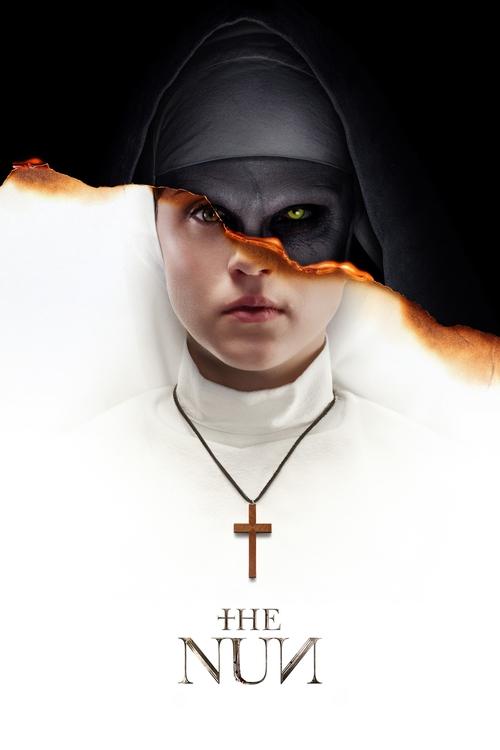
The Nun (2018)
Directed by Corin Hardy
No · Ultra Based
How we score movies →Consciousness Markers
The cast includes actors of various ethnic backgrounds and a female lead, but these choices reflect standard casting practices rather than deliberate diversity initiatives.
No LGBTQ+ themes, characters, or representation are present in the film.
The film contains no feminist commentary, themes, or critique of patriarchal systems.
No racial consciousness, commentary on systemic racism, or engagement with racial themes appears in the narrative.
Climate change or environmental themes are entirely absent from this supernatural horror film.
No anti-capitalist messaging, critique of wealth inequality, or commentary on economic systems is present.
The film contains no body positivity messaging or challenge to conventional beauty standards.
No representation of neurodivergent characters or engagement with neurodiversity is evident in the film.
The film does not engage with historical revisionism or reinterpretation of historical events.
The film contains no preachy messaging, moral lectures, or attempts to educate the audience on social issues.


Synopsis
A priest with a dark past and a novice nearing her final vows are sent by the Vatican to Romania to investigate a nun's death and face a demonic force.
Why it received this score
The Nun is an exercise in supernatural horror that treats its subject matter with the grim solemnity of a medieval monk transcribing apocalyptic visions. The film dispatches its narrative in Romania, where a priest and a novice investigate a demonic entity disguised as a nun. There is nothing here to suggest the filmmakers were interested in contemporary social consciousness. The presence of a female protagonist and supporting cast members of various backgrounds reflects standard commercial filmmaking decisions, not a deliberate engagement with representation philosophy.
What emerges from this particular exercise in religious dread is a work singularly devoted to the mechanics of fright. Jump scares accumulate like rosary beads. The demonic nun entity serves as a visual threat, a creature designed to unsettle rather than to comment on gender, faith, or institutional power. A viewer searching for subtext about patriarchy, bodily autonomy, or systemic critique will find only the hollow echo of their own hopes bouncing back from the monastery walls.
The film's cultural moment places it in 2018, a year when horror cinema had begun to incorporate social commentary as readily as blood and viscera. Yet The Nun steadfastly ignores this trend, preferring to operate as a functional horror product within an established cinematic universe. It neither advances nor retreats from progressive sensibilities. It simply exists as a thing that frightens people in darkened theaters, indifferent to the ideological currents swirling in the wider world.
Analysis generated by our Consciousness Algorithm
Critic Reviews
“There’s a pleasing no-frills tone to the whole enterprise as well as a convincing grasp of the rituals and beliefs of the age.”
“While nothing in The Nun feels inspiring or truly groundbreaking, it’s certainly a well-handled package, and the strong performances are abetted by superb technical contributions.”
“Nicloux is unable to instill the material with any tension.”
“A strangely drab adaptation of Diderot's much racier novel.”