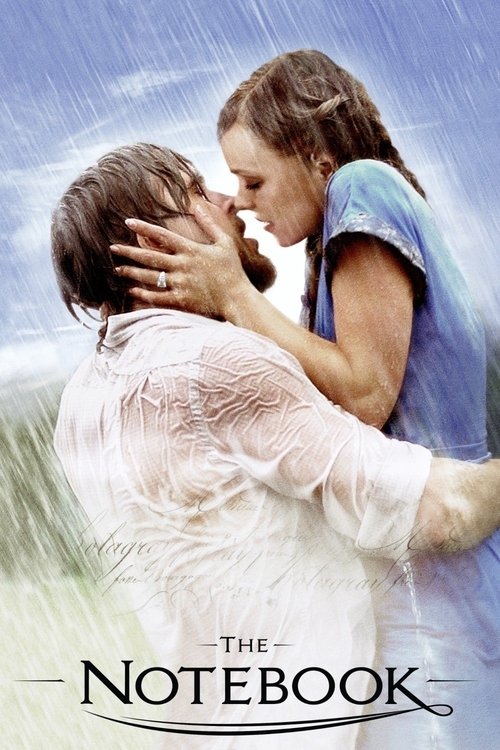
The Notebook (2004)
Directed by Nick Cassavetes
No · Ultra Based
How we score movies →Consciousness Markers
Alzheimer's disease is depicted with emotional sincerity and dignity, portraying the cognitive decline and emotional experience of both patient and caregiver. However, this is treated primarily as a romantic plot device rather than a genuine exploration of neurodivergence.
The film features a predominantly white cast with minimal intentional diversity. Black characters appear in supporting roles without narrative agency or development, reflecting early 2000s casting norms rather than contemporary representation consciousness.
The female protagonist Allie is portrayed as intelligent and capable early in the film, though the narrative ultimately centers her identity around romantic love rather than independent agency or self-determination.
The film briefly acknowledges class difference as an obstacle to romance, but treats racial identity as entirely absent from the 1940s setting depicted, reflecting a colorblind approach to historical storytelling.
No LGBTQ+ themes, characters, or representation present in the film. The narrative is entirely centered on heterosexual romance.
No climate or environmental themes present. The film is purely focused on romantic narrative across decades.
The narrative centers on class conflict as a romantic obstacle but does not engage in systemic critique of capitalism or wealth inequality. Wealth is treated as a personal rather than structural matter.
No commentary on body diversity or body positivity. The film features conventionally attractive leads and does not engage with body image themes.
The film presents a conventional historical romance without attempting to reinterpret historical events or challenge established historical narratives.
The film pursues narrative and emotional authenticity without delivering explicit moral instruction or preachy messaging about social issues to the audience.


Synopsis
An epic love story centered around an older man who reads aloud to a woman with Alzheimer's. From a faded notebook, the old man's words bring to life the story about a couple who is separated by World War II, and is then passionately reunited, seven years later, after they have taken different paths.
Why it received this score
The Notebook exists in a pre-woke cinematic universe, a realm where romantic passion need not genuflect toward progressive sensibilities. The film is concerned entirely with the transcendent power of love across time and social barriers, themes that predate modern cultural consciousness by centuries. Its narrative focuses on two white protagonists navigating class differences in the 1940s, a historical setting that permits the film to avoid contemporary identity politics altogether. The supporting cast includes a handful of Black characters, most notably Starletta DuPois, who appears as a nursing home resident, but their presence is incidental rather than intentional representation.
The film's one legitimate gesture toward modern social awareness emerges in its treatment of Alzheimer's disease. The elderly female protagonist's cognitive decline is portrayed with dignity and emotional complexity, centering the experience of both the patient and her devoted partner. This represents a form of disability representation, though the film treats the condition primarily as a plot device for emotional resonance rather than as a vehicle for cultural commentary. The relationship between the elderly couple, played by James Garner and Gena Rowlands, carries an implicit message about caregiving and devotion that resonates with humanist values, but these are general humanist themes rather than markers of contemporary progressive consciousness.
The film remains fundamentally a Nicholas Sparks adaptation, which is to say it trades in sweeping romantic melodrama, class transgression resolved through love, and the notion that passion transcends material circumstance. These are traditional romantic themes, neither progressive nor regressive by 2020s standards. The Notebook is not hostile to social progress, but it is simply indifferent to it, a creature of mid-2000s romantic cinema before such films became obligated to perform cultural awareness.
Analysis generated by our Consciousness Algorithm
Critic Reviews
“A lovely surprise. Ripe with feeling and lush with physical beauty, it's a love story that swings confidently between age and youth, and, like the young Tiger Woods of old, avoids every trap along the way. ”
“The director is Nick Cassavetes, son of Gena Rowlands and John Cassavetes, and perhaps his instinctive feeling for his mother helped him find the way past soap opera in the direction of truth. ”
“If you're the sort who enjoys shedding such in darkened theaters, your must-see summer movie has arrived.”
“The movie not only approaches a level of shamelessness you have to see to disbelieve, it does it in a manner that's both inept and crass. ”