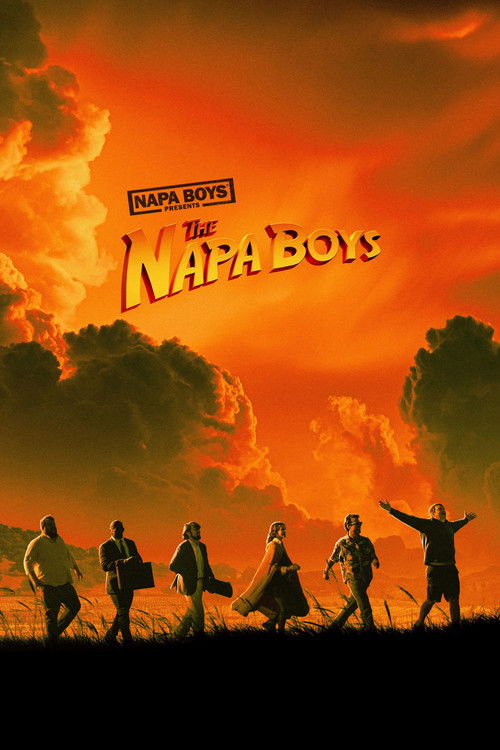
The Napa Boys (2026)
Directed by Nick Corirossi
No · Based
How we score movies →Consciousness Markers
The ensemble includes women and actors of various backgrounds distributed throughout roles without hierarchical distinction. However, this appears incidental to the film's anarchic structure rather than a deliberate commitment to representation.
The film's satire of indie dramedies and franchise filmmaking contains implicit critique of Hollywood conventions and market logic. However, this is incidental mockery rather than systematic anti-capitalist analysis.
Female cast members are present and participate equally in the film's chaos, but there is no indication of feminist agenda or commentary on gender dynamics. Their participation appears structurally democratic rather than ideologically motivated.
The cast includes actors of various racial backgrounds, but the film's aggressive indifference to narrative meaning suggests no deliberate engagement with racial themes or consciousness.
The film actively resists preachiness and moral instruction. Its commitment to meaninglessness and absurdism specifically opposes the pedagogical tone associated with contemporary social consciousness.
No indication whatsoever of climate-related themes or environmental consciousness. The film is concerned with wine country aesthetics rather than ecological critique.
The film parodies existing cinema rather than historical events. No evidence of revisionist historical narratives or reframing of past events through contemporary lenses.
No evidence of significant LGBTQ+ themes or representation in available materials. The film's absurdism does not extend to engaging with sexual identity or orientation as a subject of interest.
No evidence of body positivity themes or commentary on physical appearance standards. The film's focus on absurdism rather than social issues means this marker is largely absent.
No indication of neurodivergent representation or themes. The film's anarchic structure is not framed as exploring or celebrating cognitive difference.
Synopsis
Jack Jr, Miles Jr and the whole gang are back for one last wine-soaked journey prompted by the mysterious "Sommelier." Joined this time by Puck, a fan of The Napa Boys comics, the group will learn about love, loss, friendship and viticulture.
Why it received this score
The Napa Boys is a ninety-minute exercise in aggressive absurdism, a film so committed to its own meaninglessness that it almost achieves a kind of purity. Director Nick Corirossi and co-writer Armen Weitzman have constructed a spoof of indie dramedy conventions that treats sincerity as the ultimate punch line. The film presents itself as the fourth installment in a beloved franchise that does not exist, populated by characters no one has met before, in a narrative that actively resists coherence. This is comedy as a form of institutional resistance, though not the kind typically associated with cultural consciousness.
The ensemble cast, which includes both established names and alt-comedy circuit regulars, moves through scenes designed to parody rather than celebrate. Sarah Ramos, Chloe Cherry, and Riki Lindhome appear alongside their male counterparts without fanfare or special consideration. The film's approach to its ensemble is fundamentally egalitarian in execution, though this emerges more from the project's contempt for narrative logic than from any particular commitment to representation. Everyone is equally expendable to the anarchic machinery.
What distinguishes The Napa Boys from the earnest social-consciousness projects now dominating prestige comedy is its studied indifference to relevance. The film makes no attempt to engage with contemporary anxieties about capitalism, identity, or environmental collapse. It is instead a monument to the idea that comedy can exist in pure form, uncontaminated by message or moral instruction. Whether this constitutes artistic integrity or mere avoidance remains a matter of interpretation.
Analysis generated by our Consciousness Algorithm
Critic Reviews
“The humor is over-the-top and often exaggeratedly juvenile, but like many nominally “dumb” comedies, it’s the product of a keen and deliberate intelligence. ”
“Unafraid to shy away completely from the occasional crude humor, especially an early scene begging to be led by Will Forte, it fortunately never overstays its welcome, and for those who enjoy the payoff of hanging onto every line of dialogue, the best jokes throughout are the ones tacked onto the ends of conversations, almost as a comedic afterthought. It’ll make sense once you watch, more so than the plot itself.”
“The Napa Boys is best enjoyed like a California wine road trip: you can be vaguely aware of the territory, but it's more fun to just ride along its peaks and valleys. When the film hits, it really hits.”
“You don’t need a wine buzz to “appreciate” The Napa Boys, a vulgar, lowbrow and clumsily unfunny send of up “Sideways” and lots of pop culture of similar vintage. But it probably helps.”