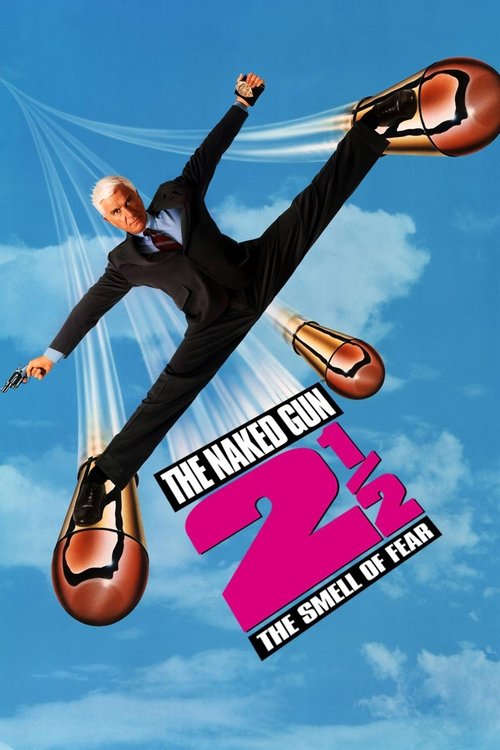
The Naked Gun 2½: The Smell of Fear (1991)
Directed by David Zucker
No · Ultra Based
How we score movies →Consciousness Markers
Priscilla Presley appears in a supporting role, but the film displays no feminist consciousness or examination of gender dynamics.
The antagonists are businessmen suppressing technology, but this is comedic setup rather than ideological critique of capitalism.
The energy industry serves as plot device, but there is no environmental messaging or climate consciousness underlying the narrative.
The cast reflects mainstream 1991 Hollywood demographics with no apparent consideration given to representation as a conscious project.
There are no LGBTQ+ themes, characters, or subtext present in the film.
The film contains no interrogation of racial dynamics, racial representation, or racial themes of any kind.
The film contains no engagement with body positivity or body diversity as a conscious theme.
Any portrayal of neurodivergence serves only as comedic vector with no awareness or sensitivity.
The film contains no historical content or revisionist historical framing.
The film pursues pure comedy through gags and absurdity with zero pedagogical intent or lecture energy.


Synopsis
Bumbling lieutenant Frank Drebin is out to foil the big boys in the energy industry, who intend to suppress technology that will put them out of business.
Why it received this score
The Naked Gun 2½ represents a comedy from an era before contemporary cultural preoccupations had calcified into systematic aesthetic markers. This film exists in a purely comedic register, concerned exclusively with the mechanics of the gag. The energy industry conspiracy serves only as a plot skeleton upon which to hang slapstick sequences and visual absurdities. There is no attempt at social critique, no interrogation of power structures, no consciousness of representation as anything requiring attention. The film simply pursues laughter through physical comedy and the collision of incompetent authority figures with increasingly improbable situations.
The cast, drawn from mainstream Hollywood of the early 1990s, exhibits no deliberate approach to demographic representation. Leslie Nielsen leads an ensemble of comedy veterans and character actors selected for comedic timing rather than any conscious project of inclusivity or representation. The humor operates entirely through visual gags, non-sequiturs, and the deployment of recognizable faces in ridiculous scenarios. There is no messaging, no agenda, no underlying current of social consciousness attempting to reshape viewer perception.
This is a film that predates, by design and temperament, the emergence of those cultural sensibilities that have become defining markers of contemporary progressive cinema. It asks nothing of the viewer except laughter at absurdity. In the context of modern analytical frameworks, this represents not a rejection of social consciousness so much as a complete indifference to it. The film exists in a different comedic universe, one where meaning derives entirely from the mechanics of the joke rather than from any social or political subtext.
Analysis generated by our Consciousness Algorithm
Critic Reviews
“My only complaint about Naked Gun 2 1/2 is that it doesn't give you enough time to finish laughing at one gag before the next one comes along, cracking you up all over again.”
“It is merely stating the obvious to say that The Naked Gun 2½: The Smell of Fear is the most important movie of the year -- and also the most excellent.”
“It's the second part that I find most consistently funny, and the one with the best third act.”
“Although there wasn't much of a reason to do a sequel, it's easy enough to be entertained by carrying on with the misadventures of the invariably inept yet accidentally successful policeman.”