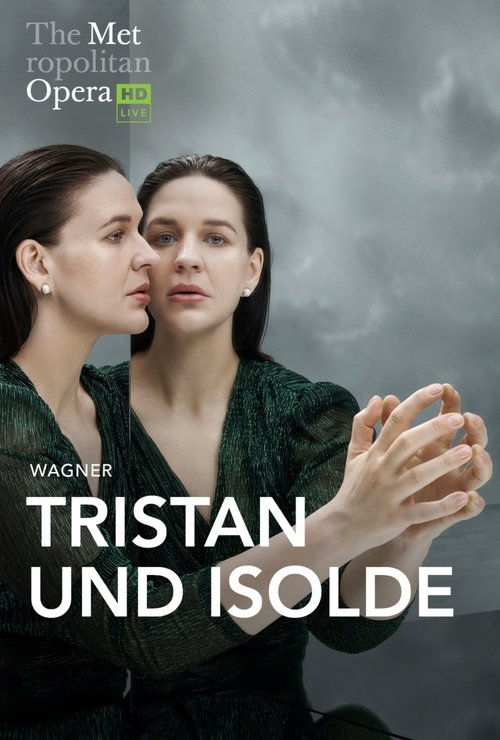
The Metropolitan Opera: Tristan und Isolde (2026)
Directed by Yannick Nézet-Séguin
No · Ultra Based
How we score movies →Consciousness Markers
The cast includes performers of various backgrounds in standard opera company roles. This reflects contemporary casting practices rather than explicit progressive ideology.
The production may employ modern staging conventions that reframe medieval narrative elements, but reviews suggest it remains faithful to source material rather than revisionist.
Isolde is a female protagonist with agency, but this reflects the source material's medieval construction of female nobility rather than modern feminist consciousness.
Diverse casting exists but appears incidental to production rather than a deliberate statement about racial dynamics or historical erasure.
An opera production inherently contains didactic elements through its artistic presentation, though this production appears focused on musical rather than ideological instruction.
Wagner's medieval tragedy contains no LGBTQ+ themes or characters. The production makes no contemporary reinterpretation in this direction.
An opera about medieval courtship contains no environmental themes or climate-related messaging.
The production is a commercial opera house offering with no anti-capitalist critique or messaging present in the work itself.
The opera contains no commentary on body image, weight, or physical appearance beyond standard operatic performance expectations.
No representation of neurodivergent characters or themes appears in Wagner's 13th-century tragedy or this production.
Synopsis
The electrifying Lise Davidsen tackles one of the ultimate roles for dramatic soprano: the Irish princess Isolde in Wagner's transcendent meditation on love and death. Heroic tenor Michael Spyres stars opposite Davidsen as the love-drunk Tristan. Mezzo-soprano Ekaterina Gubanova reprises her signature portrayal of Brangäne, alongside bass-baritone Tomasz Konieczny, who sings Kurwenal after celebrated Met appearances in Wagner's Der Fliegende Holländer and Ring cycle. Bass-baritone Ryan Speedo Green makes an important role debut as King Marke.
Why it received this score
We are presented here with Wagner's medieval tragedy filtered through the lens of 2026 Metropolitan Opera production standards. The narrative concerns itself with a 13th-century Irish princess and a Cornish knight, a source material that predates modern social consciousness by roughly eight centuries. Director Yuval Sharon has elected to stage this work with modern sensibilities, but the production remains fundamentally a vehicle for vocal performance rather than a commentary on contemporary social structures.
The casting of the ensemble reflects current opera house demographics without apparent ideological intent. Ryan Speedo Green's presence as King Marke and Ekaterina Gubanova's continued presence in the role of Brangäne represent standard practice in contemporary opera rather than any self-conscious engagement with representation frameworks. Lise Davidsen's role as Isolde is simply the most demanding soprano role in the Wagner canon, a position she occupies through vocal ability rather than identity politics.
The production itself, by all accounts, prioritizes musical performance over narrative reimagining. Critical response focused on the quality of the singing and the staging's occasional interference with that singing, not on progressive reinterpretation of the source material. We have here a classical work presented with professional competence and artistic ambition, but without the markers that would suggest engagement with modern progressive cultural sensibilities. It is opera as it has been performed for decades, which is to say it remains largely indifferent to the ideological frameworks that preoccupy contemporary cultural criticism.
Analysis generated by our Consciousness Algorithm