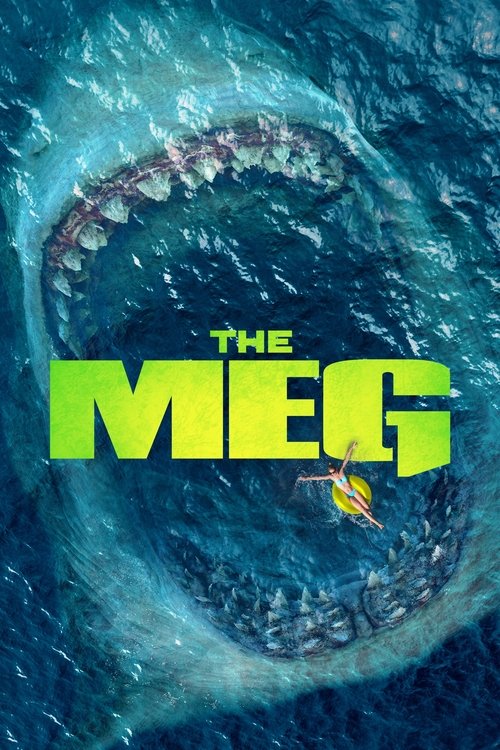
The Meg (2018)
Directed by Jon Turteltaub
No · Ultra Based
How we score movies →Consciousness Markers
The film features a genuinely diverse ensemble cast including Li Bingbing in a substantial role, Ruby Rose, and actors of multiple ethnic backgrounds. However, this diversity serves the narrative without any thematic consideration of identity or representation.
Female characters occupy competent professional roles, but they are not foregrounded or given distinct agency beyond serving the plot. The film makes no statement about gender dynamics or power.
The wealthy industrialist funding the expedition faces no meaningful critique or consequences. Capitalism enables the plot but is not interrogated.
No LGBTQ+ themes, characters, or subtext are present in the film. The romantic subplot involves a heterosexual pairing with no alternative representations.
Despite the diverse cast, the film contains no exploration of race, identity, or any commentary on racial dynamics. Characters are simply present without thematic weight.
The film is set in the Mariana Trench and involves deep sea operations, yet makes no commentary on environmental destruction, climate change, or ocean preservation.
The film contains no commentary on body diversity, beauty standards, or body acceptance. Physical presentation is not thematized.
No representation of neurodivergence or exploration of neurodivergent experience appears in the film.
The film contains no historical revisionism or reframing of historical narratives. It is entirely fictional without historical pretension.
The film makes no preachy statements about social issues. It avoids sermonizing or delivering messages about contemporary politics or cultural awareness.


Synopsis
A deep sea submersible pilot revisits his past fears in the Mariana Trench, and accidentally unleashes the seventy foot ancestor of the Great White Shark believed to be extinct.
Why it received this score
The Meg emerges as a textbook example of contemporary blockbuster casting without ideological commitment. The film assembles a genuinely diverse ensemble, featuring Li Bingbing in a substantial role alongside Jason Statham, and includes actors of various backgrounds throughout. Yet this representation functions as window dressing for a film concerned exclusively with delivering shark attacks and explosions. There is no meaningful exploration of identity, no subtext about systemic inequity, no commentary on the structures that might marginalize these characters. They are simply present, which is itself unremarkable in the era of this film's production.
The narrative itself contains no detectable progressive sensibilities. The story traces a straight line from setup to monster destruction without pausing for reflection on climate change, capitalism, or the environmental catastrophe implicit in deep sea drilling. One might reasonably expect a film centered on the ocean's depths to engage with its ecological collapse, yet The Meg treats the Mariana Trench as mere backdrop for spectacle. The film's relationship to class is equally unexamined; the wealthy industrialist funding the expedition faces no meaningful consequences or critique. Even the female characters, while present in competent roles, serve the narrative rather than challenge it.
What ultimately defines The Meg is its fundamental disinterest in saying anything whatsoever. This is not a film that aspires to cultural significance. It is content to be a monster movie, and in that contentment lies a kind of honesty. The diverse cast represents market calculation rather than artistic statement. The film knows what it is and does not pretend otherwise. In the taxonomy of contemporary cinema, this registers as refreshingly uncommitted to progressive messaging, even as it benefits from progressive casting trends.
Analysis generated by our Consciousness Algorithm
Critic Reviews
“It’s all good, goofy fun; make it an air-conditioned double feature with “Mamma Mia! Here We Go Again” and you might just have the very definition of “summer movies.””
“The movie is a cheerful pastiche, unpretentious and efficient, and the giant shark, when it finally shows up, is a pretty good special effect, although I’m not sure I’d value it at $150 million (the amount of Chinese money it took to make the movie).”
“It’s not reinventing the wheel by any stretch of the imagination, but The Meg is a perfect outing for a balmy late-summer evening at the movies. It’s a little preposterous, a little moving, and a lot entertaining.”
“It’s a tired, inert sci-fi thriller featuring a succession of escalating action sequences that all, somehow, fail to ignite. The cliches mount.”