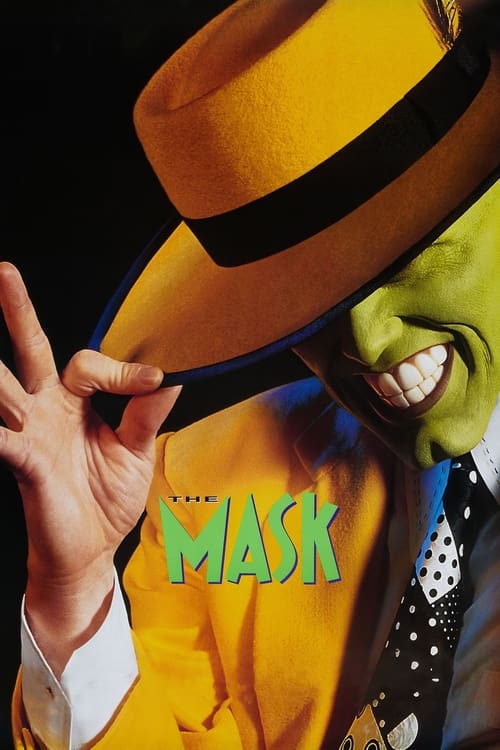
The Mask (1994)
Directed by Chuck Russell
No · Ultra Based
How we score movies →Consciousness Markers
The cast is predominantly white with minimal representation. Reg E. Cathey appears in a minor role, but the film makes no effort toward diverse casting as a principle.
The protagonist is a banker, but the film does not critique capitalism or class structures. His transformation is personal, not political.
Amy Yasbeck's character functions primarily as a romantic prize rather than an agent in her own narrative. The film exhibits conventional 1990s gender dynamics without interrogation.
The film has minimal preachy intent beyond basic romantic comedy messaging. It does not lecture audiences about social issues, though it contains conventional moral lessons about confidence.
There is no LGBTQ+ representation or thematic engagement. The film is entirely heteronormative in its romantic and social structures.
There is no engagement with racial themes, history, or consciousness. The film treats race as simply not a matter worth addressing.
The film's humor relies partly on body transformation and physical appearance. There is no affirmation of body diversity or acceptance.
No climate themes are present. The film's urban fantasy setting gives no consideration to environmental concerns.
No neurodivergent representation or themes appear. The film does not engage with disability or neurodiversity.
The film contains no historical narrative to revise. It is a contemporary fantasy with no engagement with history.


Synopsis
Stanley Ipkiss, an insecure banker who has lost his zest for life stumbles upon an ancient mask, that turns him into a confident suave cartoon-like character who upsets his ordinary life.
Why it received this score
The Mask stands as a monument to the pre-awakening cinema era, a time when mainstream comedy could proceed entirely unencumbered by considerations of social consciousness. Jim Carrey's manic performance as Stanley Ipkiss exists in a universe where the primary concern is whether a man can successfully seduce a woman by means of magical transformation and rubber-faced contortions. The film's narrative machinery grinds forward with the sort of cheerful obliviousness to progressive sensibility that one might expect from a project greenlit in the early 1990s.
The cast, predominantly white and heteronormative in composition, executes its function with competent mediocrity. Amy Yasbeck appears as the romantic interest with all the agency of a prize to be won through the magic mask's confidence-granting properties. The film contains no discernible engagement with racial consciousness, feminist critique, or any of the social markers that have come to define contemporary cultural discourse. Crime and masculinity are presented as obstacles to overcome through charm, not systems to interrogate.
What emerges from this artifact is a document of a different cultural moment entirely. The Mask operates in the space before the modern conversation about representation, before the language of progressive social consciousness entered common usage, before anyone particularly cared whether their summer comedy addressed systemic inequality. It is, in short, a film made by people who had no idea they were supposed to care about any of this. In that sense, it is perfectly, innocently, utterly unremarkable.
Analysis generated by our Consciousness Algorithm
Critic Reviews
“Carrey's a human cartoon, and his spontaneous, Avery-esque, anything-for-a-laugh outrageousness makes this otherwise blank Mask a must-see.”
“This showcase for the talents of Jim Carrey is adroitly directed, viscerally and visually dynamic and just plain fun.”
“The result is a movie character who seems half real, half animated.”
“An astonishingly lazy and perfunctory effort that does little to realize his (Carrey) comic potential.”