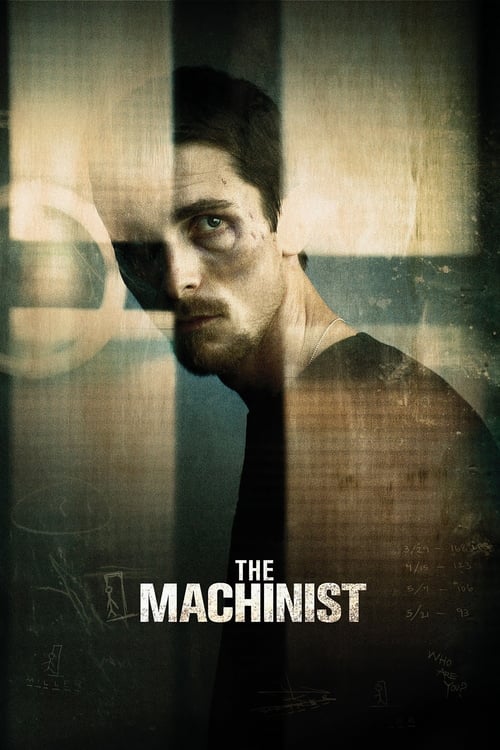
The Machinist (2004)
Directed by Brad Anderson
No · Ultra Based
How we score movies →Consciousness Markers
Insomnia and psychological breakdown are central to the narrative but treated as pathological symptoms of trauma rather than as neurodivergent identities worthy of representation.
The film depicts industrial working-class alienation and dehumanizing factory labor, but presents this as backdrop to psychological thriller rather than systemic critique.
The cast is predominantly white and male, reflecting factory demographics without intentional diversification or commentary on representation.
No LGBTQ+ themes, characters, or subtext appear in the film. The narrative is entirely heterosexual.
Female characters exist primarily as romantic interests and objects of male paranoia, with no engagement of feminist themes or female agency.
The film contains no examination of race, racial dynamics, or racial consciousness despite minority actors in supporting roles.
No environmental themes or climate-related messaging appear in the film.
The extreme physical transformation is presented as symptom of psychological deterioration, not as commentary on body diversity or positivity.
The film contains no historical elements or engagement with historical narratives.
The film contains no preachy messaging, expository dialogue, or instruction about progressive values.


Synopsis
Trevor, an insomniac lathe operator, experiences unusual occurrences at work and home. A strange man follows him everywhere, but no one else seems to notice him.
Why it received this score
The Machinist stands as a curiosity from the pre-social consciousness era of cinema, a time when films could explore working-class alienation without feeling obligated to contextualize it through contemporary progressive frameworks. Brad Anderson's film is fundamentally concerned with individual psychological pathology, the slow-motion mental collapse of a man whose insomnia becomes both symptom and metaphor for guilt and fractured consciousness. The factory setting provides atmosphere and thematic resonance, but the film shows no interest in systemic critique, labor organizing, or the structures that might generate such alienation. Trevor's suffering is his alone, a private hell that the film renders with clinical precision and visual dread. The supporting cast, including minority actors in minor roles, simply occupies the world of the narrative without comment or intentional casting strategy. Jennifer Jason Leigh's character serves primarily as romantic interest and object of the protagonist's paranoid projections, a role that predates contemporary conversations about female agency and representation.
What distinguishes The Machinist is its commitment to psychological horror over social messaging. The film does not lecture, does not explain, does not suggest that systemic change might alleviate Trevor's suffering. Instead, it offers a descent into private madness rendered through meticulous cinematography and performance. Christian Bale's physical transformation and haunted portrayal carry the entire narrative weight, leaving little room for thematic digression into matters of representation or identity. The film belongs to an earlier cinematic tradition, one that assumes psychological depth and formal innovation can justify a narrow focus on individual consciousness.
By contemporary standards, The Machinist registers as almost aggressively indifferent to progressive cultural markers. This indifference is not a statement; it is simply the film's nature. It represents a moment in cinema when such concerns had not yet calcified into generic convention, when a thriller could exist almost entirely outside the landscape of social consciousness. For those seeking evidence of modern progressive sensibilities, this film offers essentially none. For those interested in the formal construction of psychological dread, it remains a worthy artifact of its era.
Analysis generated by our Consciousness Algorithm
Critic Reviews
“A brilliantly honed tale of dementia, starring a skeletal Christian Bale as a tormented insomniac wasting away and terrorized by his irreal existence.”
“Anderson gives The Machinist a sickly noirish look that contributes to the creeping horror - but it's the emaciated Bale's spectral presence that leaves the imprint.”
“Unrelentingly dreary, and seemingly destined to be remembered, if at all, as that movie Christian Bale lost a full third of his body weight for. It doesn't deserve any better.”