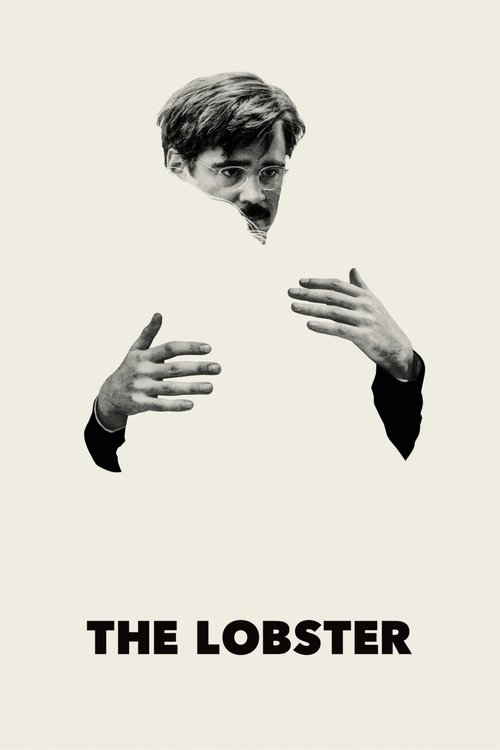
The Lobster (2015)
Directed by Yorgos Lanthimos
No · Ultra Based
How we score movies →Consciousness Markers
The film critiques compulsory heterosexuality through an absurdist lens, but does not center feminist analysis or women's perspectives as a primary concern.
The cast is predominantly white with some gender diversity, but casting choices appear driven by acting ability rather than progressive representation concerns.
The film maintains an absurdist, deadpan tone throughout rather than delivering preachy messaging or lecturing audiences about social values.
The Hotel system represents institutional coercion rather than capitalist critique. No sustained engagement with economic systems or class consciousness.
No explicit LGBTQ+ content or relationships are present. The system enforces heterosexual coupling but does not explore or celebrate queer alternatives.
The film contains no meaningful engagement with racial themes, racial consciousness, or representation of diverse backgrounds.
No environmental messaging, climate activism, or ecological concerns are present in the film.
Transformation into animals is presented as dystopian punishment and horror rather than as body positivity messaging or acceptance.
No representation, discussion, or engagement with neurodivergent conditions or neurodiversity.
The film is set in an unspecified dystopian near-future and does not engage with historical revision or reinterpretation.


Synopsis
In a dystopian near future, single people, according to the laws of The City, are taken to The Hotel, where they are obliged to find a romantic partner in forty-five days or are transformed into animals and sent off into The Woods.
Why it received this score
Yorgos Lanthimos constructs a deadpan dystopia in which the state mandates romantic coupling or transformation into fauna, a premise that functions as absurdist satire of social conformity rather than progressive cultural commentary. The film's critique of compulsory heterosexuality and institutional coercion is intellectually rigorous but remains detached from the specific sensibilities that animate contemporary progressive discourse. Colin Farrell's blank-faced protagonist wanders through The Hotel and The Woods with the resigned affect of a man for whom romantic obligation has become an existential bureaucracy, which is to say the film treats its subject with appropriate seriousness while maintaining a posture of utter indifference to audience comfort.
The work operates in the register of formal experimentation and philosophical absurdism rather than preachy social consciousness. It does not ask us to celebrate alternatives to heterosexual coupling so much as to recognize the violence embedded in systems that demand it. This is a meaningful observation, but one made through the vocabulary of European art cinema rather than through the specific markers of modern progressive cultural awareness. The ensemble cast performs with mannered precision, the dialogue carries a deliberate flatness, and the overall effect is one of sustained tonal control rather than emotional investment in particular social causes.
The Lobster is politically intelligent without being culturally woke in any contemporary sense. It concerns itself with human anxieties about belonging and acceptance, but these anxieties are presented as eternal rather than as expressions of specific contemporary social movements. The film remains a fascinating artifact of mid-2010s European art cinema, formally accomplished and thematically coherent, but ultimately indifferent to the progressive frameworks that might attempt to conscript it into service.
Analysis generated by our Consciousness Algorithm
Critic Reviews
“In the end, all the strangeness adds up towards something genuinely significant: an atypically rich and substantial comedy that's stuffed with great scenes and performances even before you start to chew on its bigger questions.”
“A wickedly funny protest against societal preference for nuclear coupledom that escalates, by its own sly logic, into a love story of profound tenderness and originality.”
“Cruelty and humor are nestled like spoons in a drawer. Mr. Lanthimos’s method is to elicit an appreciative chuckle followed by a gasp of shock, and to deliver violence and whimsy in the same even tone. “The Lobster” is often startlingly funny in the way it proposes its surreal conceits, and then upsettingly grim in the way it follows through on them.”
“More a movie that you appreciate and ponder than one you embrace and enjoy. Whatever its intellectual pretensions, I am looking forward to never seeing it again.”