The Lion King (1994)
Directed by Roger Allers
No · Ultra Based
How we score movies →Consciousness Markers
Voice cast includes James Earl Jones and Robert Guillaume, but casting reflects 1990s norms rather than deliberate representation strategy. The predominantly white lead voices for African setting is unremarkable for the era.
Nala functions primarily as a romantic interest and emotional catalyst rather than a developed character with autonomous agency. Sarabi is maternal and passive. No feminist consciousness evident.
No LGBTQ+ themes, characters, or subtext present in the film. The narrative contains no romantic or relationship complexity beyond heterosexual bonding.
The African setting functions as aesthetic backdrop and timeless fable device. No engagement with questions of cultural representation, colonialism, or racial dynamics.
No climate messaging or environmental consciousness present. The drought serves plot function only, not as commentary on ecological crisis or human responsibility.
No critique of economic systems, wealth inequality, or capitalist structures. The film presents a natural order of hierarchy without ideological commentary.
No body positivity messaging or celebration of diverse body types. The film contains no commentary on physical appearance or health beyond the context of animal characters.
No representation of neurodivergent characters or conditions. No acknowledgment of cognitive or developmental diversity.
The film presents a fictional animal narrative with no historical framing. There is no revisionist engagement with actual history or corrective historical narrative.
The film tells its story through narrative and character rather than preachy exposition or explicit messaging. No moments of characters explaining social concepts to the audience.


Synopsis
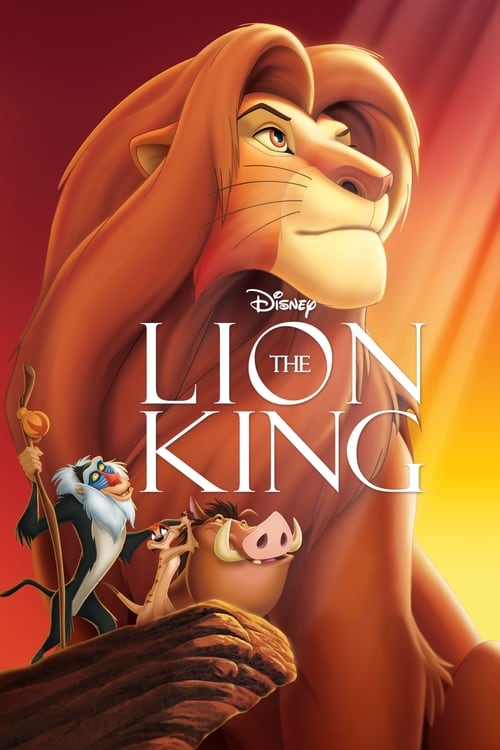
Young lion prince Simba, eager to one day become king of the Pride Lands, grows up under the watchful eye of his father Mufasa; all the while his villainous uncle Scar conspires to take the throne for himself. Amid betrayal and tragedy, Simba must confront his past and find his rightful place in the Circle of Life.
Why it received this score
The Lion King represents a pinnacle of early 1990s animation craft, yet operates entirely outside the framework of contemporary progressive cultural consciousness. The film's narrative structure adheres to classical hero's journey patterns established long before the cultural inflection points that would later define discourse around representation and social messaging. Its African setting and animal characters function as a timeless fable device rather than as any engagement with questions of cultural authenticity or representation.
The voice cast composition, while notable for including James Earl Jones and Robert Guillaume, does not reflect deliberate choices about representation but rather standard casting practices of the era. Nala exists primarily as a romantic interest and emotional mirror for the protagonist, lacking autonomous narrative development. The film contains no discernible engagement with LGBTQ+ themes, racial consciousness, climate messaging, anti-capitalist critique, body positivity philosophy, neurodivergent representation, revisionist historical framing, or preachy social commentary. It is simply a story about a lion cub discovering his place in a natural order.
The film succeeds entirely on its own terms as entertainment and artistic achievement, untouched by the social consciousness frameworks that would later become standard in popular filmmaking. It asks nothing of its audience except to be moved by its narrative and dazzled by its animation.
Analysis generated by our Consciousness Algorithm
Critic Reviews
“A hugely entertaining blend of music, fun and eye-popping thrills, though it doesn't lack for heart.”
“A scrumptiously delightful moviegoing experience. ”
“Shakespearean in tone, epic in scope, it seems more appropriate for grown-ups than for kids. If truth be told, even for adults it is downright strange.”