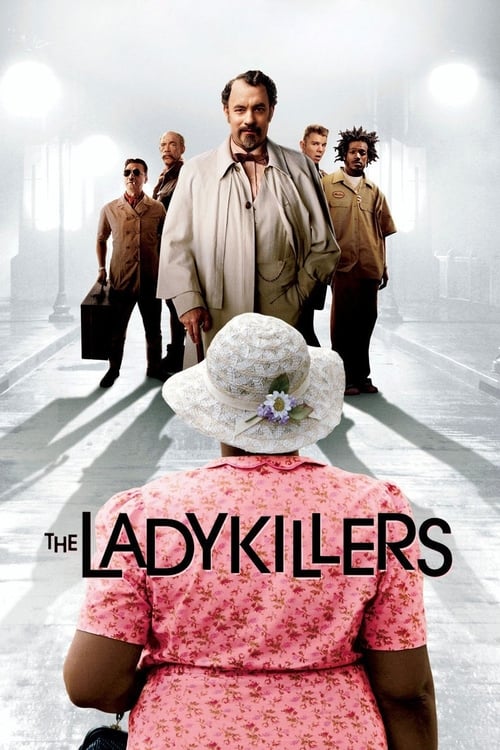
The Ladykillers (2004)
Directed by Ethan Coen
No · Ultra Based
How we score movies →Consciousness Markers
The film features Irma P. Hall prominently as a lead character and includes diverse casting across the ensemble, but the representation is complicated by the problematic treatment of Marlon Wayans' character as a racist caricature.
While the film includes Black characters in significant roles, it lacks any explicit engagement with racial themes or social consciousness. The treatment of Marlon Wayans' character suggests racial insensitivity rather than awareness.
Mrs. Munson is competent and outwits the male criminals, but this reflects plot mechanics rather than feminist ideology or consciousness about gender dynamics.
No evidence of LGBTQ+ themes, representation, or narrative elements in the film.
No evidence of climate-related themes, environmental consciousness, or any reference to ecological concerns.
While the plot involves a casino heist, there is no ideological critique of capitalism, wealth inequality, or systemic economic exploitation.
No evidence of body positivity themes, commentary on body diversity, or representation of non-conventional body types with intentionality.
No evidence of neurodivergent representation or engagement with neurodiversity as a theme.
The film makes no attempt to reexamine historical narratives or challenge conventional historical understanding.
The film does not feature preachy messaging, explicit moral lessons about social justice, or an instructive tone about progressive values.


Synopsis
An eccentric, if not charming Southern professor and his crew pose as a band in order to rob a casino, all under the nose of his unsuspecting landlord, a sharp old woman.
Why it received this score
The Ladykillers arrives as a curio from the pre-awakening cinema era, a 2004 Coen Brothers remake that predates contemporary cultural consciousness by several years. The film features Irma P. Hall in a prominent role as Mrs. Munson, the elderly Black landlady whose piety and shrewdness repeatedly outwit the criminal gang renting from her. In isolation, this character might seem like a reasonable inversion of criminal competence, but the film's treatment of race is complicated by the presence of Marlon Wayans' character Gawain, widely recognized by critics as a repellent racist caricature whose incompetence and buffoonery carry an uncomfortable historical resonance. The casting itself is demographically diverse, yet the film does not engage with these elements as matters of social consciousness.
The broader thematic architecture reveals no particular interest in modern progressive sensibilities. There is no climate consciousness, no deliberate feminist agenda beyond Mrs. Munson's competence in her own home, no examination of systemic inequality, no revisionist historical project. Tom Hanks' Southern academic speaks in exaggerated drawl, performing a grotesque version of Southern gentility that borders on parody, though the film seems uncertain whether this is satire or simple comedy. The anti-capitalist impulses present in the casino heist premise are incidental, not ideological. We are watching criminals behave badly, not watching a critique of financial systems or wealth accumulation.
The film belongs to an earlier comedic sensibility before the modern taxonomy of representation became central to critical discourse. The Coen Brothers were working in a genre tradition where exaggeration and caricature were considered legitimate comic tools, even when applied to race. By contemporary standards, certain elements read poorly. But the film's low score reflects not moral condemnation so much as the straightforward absence of the specific cultural markers that define contemporary progressive cinema. It is a film that simply does not speak the language of modern social consciousness, whether one views that as a virtue or a liability.
Analysis generated by our Consciousness Algorithm
Critic Reviews
“For a certain brand of film geek, the best news about The Ladykillers is that it isn't a Tom Hanks movie. It's a Coen brothers movie. ”
“Done with an enticing mixture of lacerating comedy, lush Roger Deakins cinematography, robust acting and juicy lines, the Coens' Ladykillers is often glorious fun to watch. It won't please everyone, of course. ”
“I suspect that mainstream audiences will find plenty of things to take pleasure in, even though some viewers may be bewildered by what the Coens do. But for those who share my taste in comedy, this is a must-not-miss. ”
“Not only have they (Coen Brothers) stripped it of all its wit and charm, they've loaded it down with the kind of race-baiting and bathroom humor they've always avoided in the past. ”