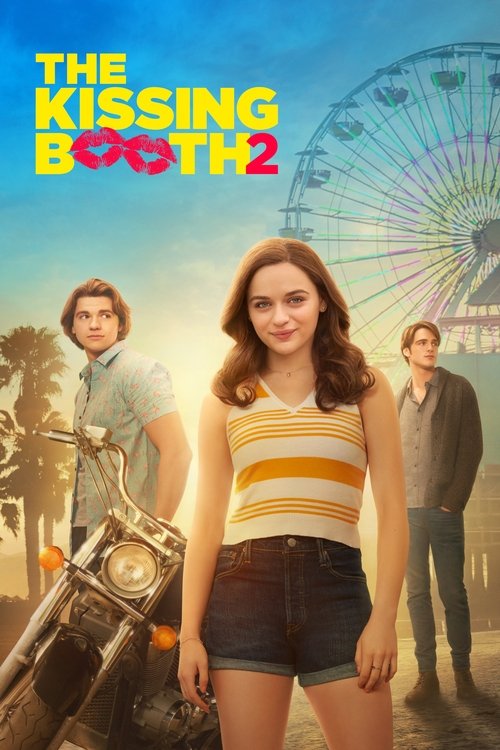
The Kissing Booth 2 (2020)
Directed by Vince Marcello
No · Ultra Based
How we score movies →Consciousness Markers
The cast includes some racial diversity, but this appears incidental rather than intentional progressive casting practice. Representation exists without commentary or thematic engagement.
While Elle is the protagonist, her agency is frequently compromised by romantic entanglements. Her arc centers on romantic choices rather than feminist awakening.
The film occasionally includes brief moments where characters discuss relationship ethics or friendship loyalty, though these lack preachy force or sustained messaging.
No LGBTQ+ themes, characters, or representation are present in the narrative.
The film does not engage with racial themes or demonstrate racial consciousness in its narrative.
Climate issues are entirely absent from the film's concerns.
No anti-capitalist sentiment or critique of economic systems appears in the narrative.
Body positivity is not a thematic concern in this film.
Neurodivergence is not addressed or represented in the narrative.
Historical revisionism does not apply to this contemporary teen romance.


Synopsis
With college decisions looming, Elle juggles her long-distance romance with Noah, changing relationship with bestie Lee and feelings for a new classmate.
Why it received this score
The Kissing Booth 2 presents itself as a modest teen romance, a Netflix vehicle designed to capitalize on the first film's modest success. It functions as a largely apolitical entertainment product, concerned almost exclusively with romantic complications and comedic set pieces. The film makes no discernible effort to engage with contemporary progressive sensibilities, existing instead in a comfortable space of narrative convention and genre expectation. Elle's journey involves the typical teenage dilemmas of long-distance romance, friendship complications, and romantic indecision, but these are treated as personal dramas rather than opportunities for social commentary or consciousness-raising. The film's representation of its characters exists not as a statement but as simple demographic fact. One observes the proceedings with the detachment of a scientist studying a specimen preserved in amber, untouched by the currents of cultural discourse that swirl around it. This is not necessarily a criticism, merely an observation. The film appears genuinely uninterested in social positioning or progressive messaging, which is perhaps its most honest quality. It knows what it is: a streaming-era teen romance, and it commits to that identity with a kind of earnest refusal to pretend to be anything more substantial.
Analysis generated by our Consciousness Algorithm
Critic Reviews
“While it offers some necessary growth for all of its characters, The Kissing Booth 2 can never resist looking and acting like dozens of other offerings of its genre ilk, unable to grow beyond basic complications and done-to-death dramas. And yet there are hints that its evolution has a few more tricks left to employ, its winking conclusion only one of them.”
“In broadening the world of the first film without really deepening it, The Kissing Booth 2 often feels more like a spinoff TV series—although at an unconscionable 132 minutes long, it’s hardly a breezy watch.”
“As I might have said during my own high school days, The Kissing Booth 2 is "mad stupid," but it's still not as overtly slappable as Netflix's other low-budget teen comedies.”
“It’s long, dumb and there’s nothing below these high-school students’ conspicuously perfect complexions.”