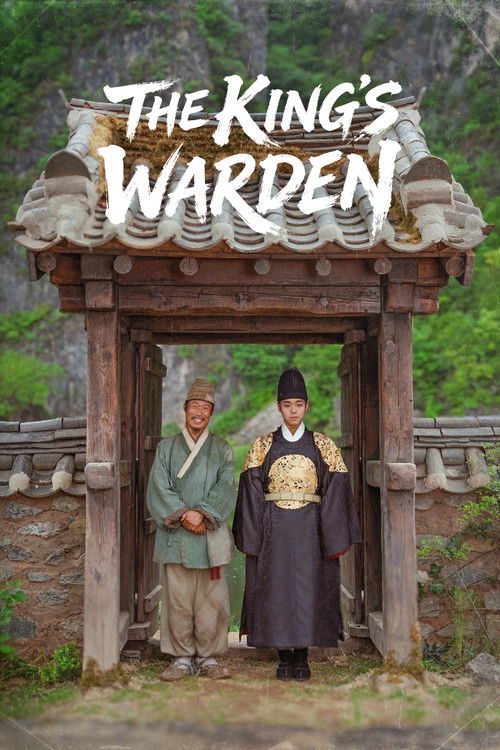
The King's Warden (2026)
Directed by Chang Hang-jun · $39.0M domestic
No · Ultra Based
How we score movies →Consciousness Markers
The director reimagines the final days of the historical King Danjong based on fragmentary records, but this is creative historical interpretation rather than revisionist history in the modern progressive sense. The film explores what might have happened during an underrecorded period.
The narrative involves a poor village and an exiled nobleman, suggesting some class commentary, but this reflects historical class structures rather than contemporary anti-capitalist ideology. The film does not appear to critique capitalism or advocate for systemic economic change.
The ensemble cast includes both male and female actors, but this reflects historical necessity rather than contemporary casting politics. Jeon Mi-do appears in a supporting role with no indication of progressive representation as a thematic concern.
While the film includes female characters, there is no indication of explicit feminist agenda or commentary on gender systems. Women exist in the narrative as they would have in historical Joseon society.
While the Guardian review notes the film 'awkwardly straddles satire, sentiment and social commentary,' there is no indication of heavy-handed preachy messaging or contemporary social lectures embedded in the narrative.
No LGBTQ+ themes are evident in the film's plot, which centers on a commoner and an exiled king navigating survival and human connection in a 15th-century context.
The film is set in a homogeneous 15th-century Korean society and contains no discernible engagement with modern racial consciousness or commentary on racial dynamics.
The film is a historical drama with no apparent environmental messaging or climate-related themes.
No body positivity messaging is evident in a film focused on historical survival and psychological isolation.
The film contains no apparent representation of or commentary on neurodivergence.
Synopsis
In a remote mountain village of 15th-century Joseon, humble headman Heung-do hears a rumor that any village hosting an exiled nobleman will be blessed with abundance and fortune. Hoping to bring prosperity to his impoverished community, he eagerly submits a petition to host one, unaware that his guest is none other than the fallen monarch, deposed boy-king Danjong.
Why it received this score
The King's Warden arrives as a masterwork of historical restraint, a film so devoted to the specifics of 15th-century Joseon that it barely glances at the preoccupations of the present day. Director Chang Hang-jun has crafted a meditation on powerlessness and human connection that treats its source material with the dignity one might extend to an ancient manuscript. The narrative follows a simple contract: a commoner and an exiled boy-king, bound by circumstance in a remote village, learning to see each other's humanity across the gulf of status and fate. There is no contemporary agenda imposed upon this tragedy.
The film's ensemble cast, including the capable Yoo Hai-jin and Jeon Mi-do, inhabits these roles as historical figures rather than as avatars of modern identity politics. Yes, women appear in the film. Yes, there are class dynamics. These are the facts of 15th-century life, not progressive statements. The Guardian's assessment that the film "awkwardly straddles satire, sentiment and social commentary" hints at tonal confusion, but nothing in the available critical record suggests this amounts to contemporary social consciousness. The film's staggering commercial success in South Korea, reaching 12 million admissions and becoming the 20th most-watched film in Korean cinema history, appears rooted in its emotional authenticity rather than any cultural activism.
What we have is a competent period drama that understands its audience's appetite for historical narrative and human drama without the intrusion of contemporary progressive sensibilities. The film earns its place through craft and sincerity, not through the calculated deployment of modern social awareness. It is, in the truest sense, a film of another time, about another time, untroubled by the need to be anything more.
Analysis generated by our Consciousness Algorithm
Critic Reviews
“While its runaway success in Korea is understandable, made even more remarkable that it was achieved mostly through word of mouth, outside of the rich cultural context and historical background that it's built upon The King's Warden is a perfectly serviceable but hardly groundbreaking Joseon era period piece.”
“That it works at all is credit to a high-energy but subtle performance from Hae-jin: an initial tour de force in jabbering desperation that, underpinned by Heung-do's concern for his fellow serfs, hides an integrity that turns decisive.”