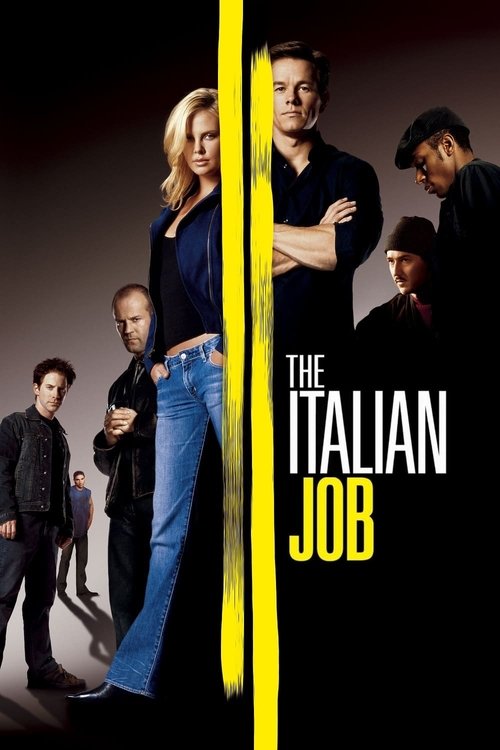
The Italian Job (2003)
Directed by F. Gary Gray
No · Ultra Based
How we score movies →Consciousness Markers
The ensemble includes Mos Def and a diverse cast alongside white leads, but this reflects standard industry practice rather than deliberate progressive intention. Charlize Theron plays a capable female character, though she exists as a heist specialist, not as commentary on gender.
While Theron's character is competent and central to the heist, the film offers no feminist messaging or examination of gender dynamics. Her presence signals inclusion rather than ideology.
No LGBTQ+ themes, representation, or subtext appear in the film. The narrative focuses entirely on the heist mechanics without any such dimensions.
The film contains no commentary on race, racial dynamics, or racial justice. Diverse casting exists without any thematic engagement with these dimensions.
No environmental themes, climate consciousness, or ecological concerns appear in this heist narrative. The story makes no reference to such matters.
The film celebrates the theft and accumulation of wealth without any critique of capitalism or economic systems. The heist is presented as entertainment, not political statement.
No body positivity messaging or diverse body representation appears in the film. Standard action cinema aesthetics prevail throughout.
No neurodivergent characters, representation, or themes appear in the narrative. The film makes no engagement with this dimension.
This is a contemporary heist film with no historical setting or engagement. No revisionist historical claims appear in the narrative.
The film maintains pure entertainment focus without any preachy tone or moralizing lectures. It moves forward with heist momentum, never pausing to instruct the audience.


Synopsis
Charlie Croker pulled off the crime of a lifetime. The one thing that he didn't plan on was being double-crossed. Along with a drop-dead gorgeous safecracker, Croker and his team take off to re-steal the loot and end up in a pulse-pounding, pedal-to-the-metal chase that careens up, down, above and below the streets of Los Angeles.
Why it received this score
The Italian Job arrives as a competent heist vehicle that happened to assemble a notably diverse ensemble cast in 2003, which was still something approaching noteworthy at the time. Charlize Theron's presence as Stella, the master safecracker, provides a capable female presence in a traditionally male-dominated genre, though the film offers no particular commentary on this fact. Director F. Gary Gray constructs a propulsive action narrative focused on spectacle and entertainment rather than social interrogation. The ensemble chemistry, anchored by Mark Wahlberg's everyman charisma and Edward Norton's villain menace, drives the film forward with no pause for ideological examination.
What unfolds from a cultural analysis is the baseline representation one expects from early 2000s Hollywood action cinema, nothing more. The diverse casting reflects industry demographics rather than any deliberate progressive statement. Mos Def appears in the ensemble, and the film treats all characters as equal members of the heist team without drawing attention to racial dynamics or making any cultural point about representation. This is, in other words, integration without consciousness, diversity as fact rather than message.
The film operates entirely within the heist genre's traditional parameters: steal the money, execute the plan, double-cross the double-crosser, escape with the loot. No environmental concerns trouble the narrative. No critique of capitalism mars the proceedings. No bodies are celebrated or interrogated. The Mini Coopers are deployed as vehicles, not symbols. One watches a perfectly functional entertainment that wears its era lightly and makes no claims beyond the immediate pleasures of chases and heists.
Analysis generated by our Consciousness Algorithm
Critic Reviews
“The chase scenes in The Italian Job are the most exciting ones I can remember seeing in a movie in a long time, probably because they're the only ones I can remember -- and that's saying something. ”
“A fast and furious action-adventure. The film's comedy counts for as much as the clever and risky ways in which Wahlberg and company go after the nasty Norton, who has holed up in a Bel-Air mansion with a world-class security system. ”
“Less giddy and more cohesive than the original, the film doesn't waste time, plunging almost directly into a spectacular heist. ”
“A triumph for the machines, more proof that we do indeed live in the Matrix. ”