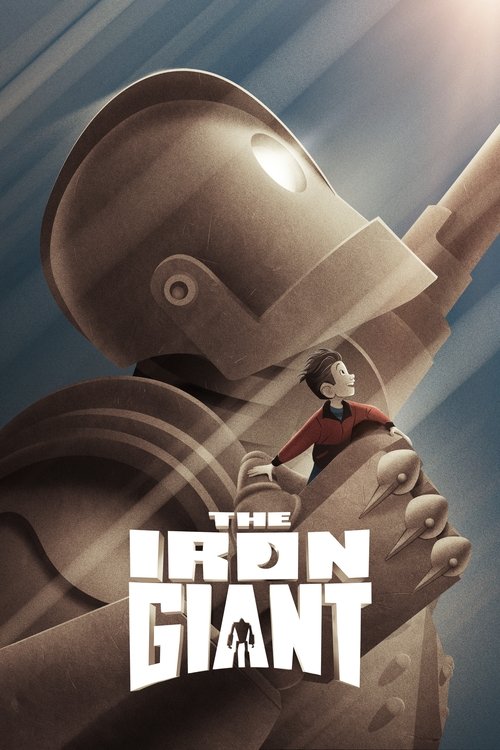
The Iron Giant (1999)
Directed by Brad Bird
No · Ultra Based
How we score movies →Consciousness Markers
Vin Diesel voices the Iron Giant, providing minimal racial diversity to the cast. The core human characters are predominantly white, with no apparent deliberate casting choices related to representation.
The film's anti-war message is delivered with emotional sincerity and narrative integration, though some scenes contain expository dialogue about the robot's non-violent nature.
The film presents a stylized, allegorical interpretation of Cold War anxieties rather than revisionist historical claims. The 1950s setting is aestheticized rather than interrogated.
No LGBTQ+ themes, representation, or subtext present in the narrative.
The single substantial female character functions primarily in a domestic nurturing capacity. No feminist critique or gender-conscious themes are present.
The film contains no engagement with racial themes, racial identity, or racial consciousness in any form.
No climate-related themes or environmental messaging appears in the film.
The film does not engage with capitalist critique or class consciousness beyond Cold War military-industrial anxieties.
No body positivity messaging or engagement with body diversity appears in the narrative.
No representation of or thematic engagement with neurodivergence is present.


Synopsis
In the small town of Rockwell, Maine in October 1957, a giant metal machine befriends a nine-year-old boy and ultimately finds its humanity by unselfishly saving people from their own fears and prejudices.
Why it received this score
The Iron Giant stands as a peculiar artifact when subjected to the taxonomies of contemporary cultural consciousness. Directed by Brad Bird in 1999, this animated science fiction film predates modern progressive sensibilities by over two decades, yet its pacifist and anti-militarist messaging might suggest otherwise to the casual observer. The narrative unfolds as a Cold War allegory wherein a giant robot becomes the screen onto which fears of nuclear annihilation and military paranoia are projected. The film's central moral argument, that violence and weaponization represent humanity's worst impulses, is presented with genuine earnestness and emotional weight. However, these themes constitute anti-war sentiment rather than contemporary social consciousness. The film contains no discernible engagement with identity politics, representation as a deliberate artistic choice, or the specific cultural markers that define modern progressive discourse.
The casting presents a largely homogeneous ensemble, with the notable exception of Vin Diesel providing the robot's voice, a decision that carries no apparent thematic weight regarding representation. The supporting cast consists primarily of white male characters occupying positions of authority and narrative importance. The single female character of substance (Jennifer Aniston as the protagonist's mother) functions as a nurturing domestic presence rather than as an active agent within the central conflict. No mention of gender dynamics, racial consciousness, or bodily diversity registers in the film's thematic architecture.
What this analysis reveals is a film of genuine emotional and artistic merit that operates entirely outside the framework of contemporary social consciousness. Its anti-war message, while morally serious, derives from Cold War-era anxieties rather than from progressive cultural movements. To score this film highly on contemporary cultural markers would constitute a category error, conflating humanist moral seriousness with modern identity-inflected discourse. The Iron Giant remains a touching meditation on fear and compassion, but one that operates in an entirely different cultural register.
Analysis generated by our Consciousness Algorithm
Critic Reviews
“Heart and tenderness are rare in cartoon movies. But in an age of frenetic children's fare, the new animated adventure The Iron Giant dares to show a lot of both, and it comes up a winner.”
“It's an antidote to complacency. The question is, whom is it trying to wake up?”
“In most respects, The Iron Giant is one of the better animated children's films in recent memory, which makes its strident political correctness all the more frustrating.”