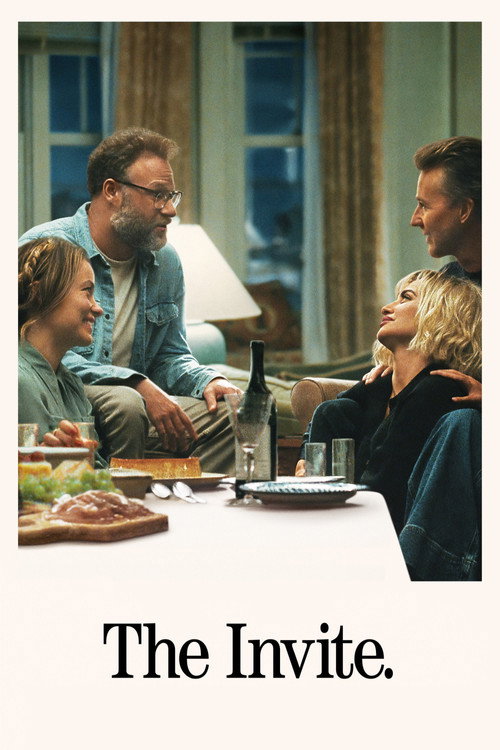
The Invite (2026)
Directed by Olivia Wilde · $24.3M domestic
Partly · Woke-Adjacent
How we score movies →Consciousness Markers
The dinner-party format, in which a bohemian couple systematically dismantles a repressed couple's worldview over the course of an evening, is essentially a delivery mechanism for a thesis. Critics noted the film's deliberate thematic contrast between sexual freedom and emotional entrapment, which is the vocabulary of a film that knows exactly what it wants you to think.
The film's central argument, per critics at Salon and RogerEbert.com, is a sustained critique of heteronormativity and a sympathetic portrayal of non-monogamy and polyamory. It does not feature gay or trans characters prominently, but its ideological target is the compulsory heterosexual monogamy structure itself.
Wilde directs, co-stars, and places her character's perspective at the center of a narrative about a woman trapped in a stifling marriage. The film's sympathies are clearly with Angela's awakening rather than with the preservation of the institution constraining her.
Penélope Cruz leads as a Latina character in a prominent, fully-realized role, and the supporting cast reflects visible diversity. The ensemble feels assembled with some awareness of representation, though it stops short of making this a thematic point.
Critical framing of the film as a satire of 'bourgeois morality' carries a faint anti-bourgeois undercurrent, but the critique is aimed squarely at sexual repression rather than economic structures. The class angle is atmospheric, not argumentative.
No evidence in the research or plot summary that racial identity, systemic racism, or racial consciousness functions as a theme in this film.
No climate themes, environmental messaging, or ecological anxiety detected anywhere in the film's plot, marketing, or critical reception.
No evidence of body positivity as a theme, plot element, or point of commentary in the film.
No neurodivergent characters or themes identified in any available material about this film.
The film is a contemporary dinner-party drama with no historical setting or revisionist historical argument to make.
Synopsis
Joe and Angela's marriage is on thin ice. When they invite their enigmatic upstairs neighbors for a dinner party, the night spirals into unexpected places.
Why it received this score
The Invite arrives as a dinner-party film in the tradition of films that use the dinner party as a pressure cooker, a format that has never once in cinematic history ended with everyone agreeing the food was lovely and going home. Olivia Wilde adapts Cesc Gay's 2020 Spanish comedy and relocates its central argument to an American context, which is to say she transplants a film about sexual repression into a country with considerably more of it. Seth Rogen and Wilde play Joe and Angela, a couple whose marriage has the ambient warmth of a DMV waiting room. Edward Norton and Penélope Cruz play their upstairs neighbors, who have apparently solved all the problems of human intimacy and are here to explain how.
The film's thesis is delivered with the subtlety of a catered presentation. The bohemian couple is luminous, free, and European in affect. The monogamous couple is uptight, resentful, and American in every way that is meant as an indictment. Critics at Salon called the film a debunking of heteronormativity, which is an accurate description and also a reasonable summary of the evening's agenda. By the second act, the dinner table has become a seminar on compersion and "marital bed death," and the camera regards the repressed couple with the mild pity of a therapist watching a patient describe a dream they have clearly not yet understood. The anti-bourgeois framing is present but largely decorative. This is not a film about capitalism. It is a film about monogamy, and it has a position.
What saves it from full sermonizing is the cast. Cruz is doing something genuinely alive in every scene she occupies, and Norton plays his role with the knowing ease of a man who has read all the books and would like you to know it. Wilde's direction is assured, and the script by Rashida Jones and Will McCormack has real wit in its better moments. The lecture energy is high, but the performers are skilled enough to occasionally make you forget you are being graded on your attitudes toward open relationships. Occasionally.
Analysis generated by our Consciousness Algorithm