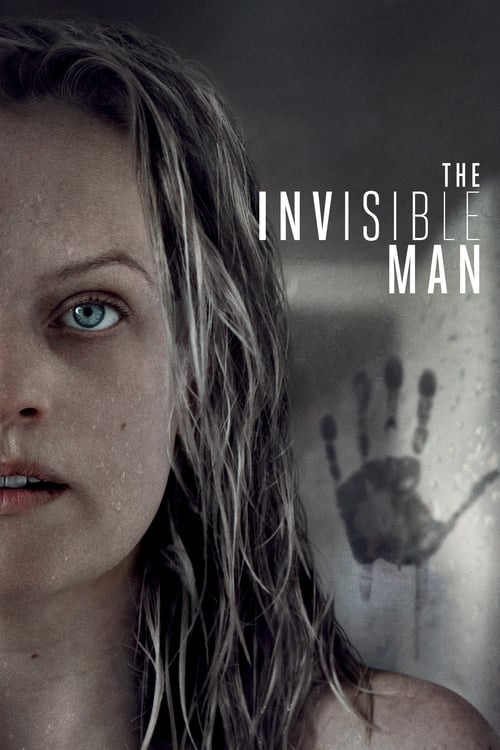
The Invisible Man (2020)
Directed by Leigh Whannell
Partly · Woke-Adjacent
How we score movies →Consciousness Markers
The film is structured around feminist themes of domestic abuse, gaslighting, and patriarchal control, with the protagonist asserting agency and demanding belief despite systemic dismissal.
The film features Elisabeth Moss in the lead with meaningful supporting diversity including Aldis Hodge and Storm Reid, though representation emerges organically from narrative rather than as demonstrative casting.
The antagonist's wealth and technological resources enable his abuse, and the suit itself is a product of capitalist innovation, though the film does not critique capitalism as a system.
The film works through narrative implication and genre convention rather than explicit moralizing, avoiding preachy pronouncements despite clear thematic intent.
Aldis Hodge's character provides support to the protagonist, but the film does not engage with racial consciousness or commentary as a thematic element.
No LGBTQ+ themes, characters, or representation present in the film.
No climate-related themes or content present in the film.
No body positivity themes, representation, or commentary present in the film.
No neurodivergence representation or thematic engagement present in the film.
Not applicable to this contemporary thriller narrative.


Synopsis
When Cecilia's abusive ex takes his own life and leaves her his fortune, she suspects his death was a hoax. As a series of coincidences turn lethal, Cecilia works to prove that she is being hunted by someone nobody can see.
Why it received this score
Leigh Whannell's 2020 reimagining of "The Invisible Man" operates as a sophisticated thriller that weaponizes its genre mechanics in service of a commentary on domestic abuse and coercive control. The invisibility serves as an elegant metaphor for gaslighting, isolation, and the ways that abusers operate in plain sight while their victims are systematically disbelieved. Cecilia Kass, played by Elisabeth Moss, refuses the role of passive victim, instead pursuing her own investigation and demanding that the world acknowledge what she knows to be true, even when evidence eludes documentation. The film's progressive sensibilities are woven into its narrative DNA rather than bolted onto the surface as performative gestures.
What distinguishes this film is its restraint. The social consciousness operates through implication and metaphor rather than through explicit moralizing or preachy pronouncements. The thriller machinery never grinds to a halt so that characters can deliver speeches about patriarchal violence. The supporting cast includes meaningful diversity, with Aldis Hodge providing a sympathetic counterpoint to the invisible antagonist and Storm Reid embodying vulnerability without sentimentality. Yet the film does not pause to congratulate itself for this representation. The diversity emerges organically from the story's logic.
The film's engagement with contemporary progressive concerns remains measured and narrative-driven rather than performatively conscious. It does not deploy the full arsenal of modern social awareness signaling. Instead, it trusts its audience to recognize the subtext and permits the genre itself to carry the thematic weight. This restraint, paradoxically, may account for why the film resonates beyond ideological constituencies. It is a work of genuine social consciousness that refuses to announce itself as such.
Analysis generated by our Consciousness Algorithm
Critic Reviews
“Moss continues to deliver what we crave from woman characters: the kind of messy yet sturdy intricacy many of today’s thinly conceived you-go-girl female superheroes continue to lack.”
“There’s no extraneous storytelling here, no scene that feels unnecessary, no scary moment that plays like it’s pandering. This is the expertly told, horrifying story of an abusive relationship filtered through the lens of a classic horror movie monster. ”
“It’s elegant and diabolically poised, a familiar story expertly retooled for an era of tech-bro sociopathy and #MeToo outrage, but also graced with an insistently human pulse. Studio brand extensions rarely feel this intimate, this personally unnerving.”
“"Saw" writer Leigh Whannell mixes metaphors in this limp remake, using gaslighting and privacy fears for his uneven sci-fi horror. ”