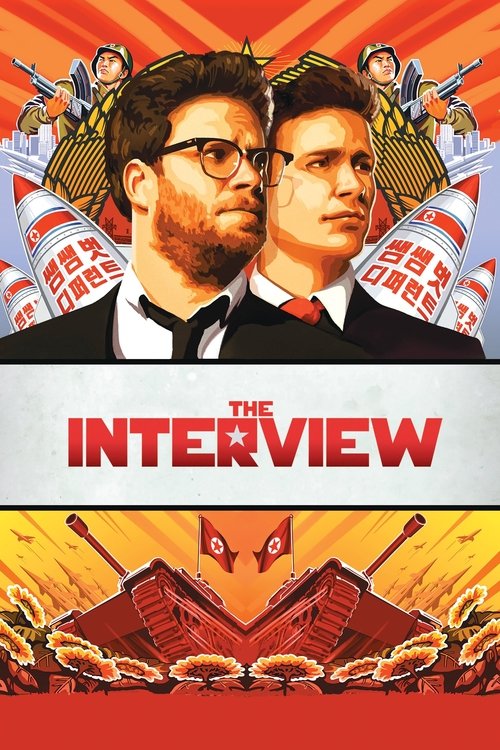
The Interview (2014)
Directed by Evan Goldberg
No · Ultra Based
How we score movies →Consciousness Markers
The film carries an underlying message about American intervention and assassination as acceptable foreign policy, with preachy undertones about regime change. However, this is delivered through comedy rather than explicit moralizing.
Features Asian actors in significant roles, including Randall Park as Kim Jong-un and Diana Bang, which was somewhat progressive for mainstream comedy in 2014. However, these characters operate within stereotypical frameworks of otherness and villainy.
The film critiques authoritarian dictatorship to some degree, but this is opposition to a specific regime rather than systematic critique of capitalism or wealth inequality.
The film engages with North Korean characters through satire rather than genuine consciousness of racial dynamics or power structures. The treatment is comedic exaggeration rather than thoughtful examination.
The film takes comedic liberties with North Korean political reality, but this is crude satire rather than sophisticated historical revisionism in service of progressive narratives.
Diana Bang's character serves primarily as a plot device rather than a meaningful exploration of gender. The film is dominated by male comedians and male-focused humor throughout.
No LGBTQ+ themes, content, or representation present in the film.
No climate themes or environmental consciousness present in the film whatsoever.
No body positivity themes or representation present in the film.
No representation of neurodivergent characters or exploration of neurodiversity in the film.


Synopsis
Dave Skylark and his producer Aaron Rapaport run the celebrity tabloid show "Skylark Tonight". When they land an interview with a surprise fan, North Korean dictator Kim Jong-un, they are recruited by the CIA to turn their trip to Pyongyang into an assassination mission.
Why it received this score
The Interview stands as a curious artifact of pre-2015 comedy cinema, a film more notorious for the geopolitical incident surrounding its release than for any meaningful engagement with progressive cultural sensibilities. The presence of Randall Park and Diana Bang in significant roles represents a modest step forward for mainstream comedy casting in 2014, yet the film squanders this potential by confining these performers to archetypal roles of Asian otherness and villainy. Park's portrayal of Kim Jong-un, while occasionally humanized for comedic effect, remains fundamentally a vehicle for mockery rather than cultural understanding.
The film's core preoccupation is with crude satire and comedic excess rather than genuine social consciousness. Its underlying message about American intervention in foreign affairs arrives wrapped in layers of crude humor and male-focused comedy beats, never quite achieving the intellectual weight that might elevate it beyond its surface-level political premise. The assassination-as-foreign-policy narrative carries a certain preachy quality, but one rooted in Cold War sensibilities rather than contemporary progressive thought.
The Interview is a film of its moment, a relic of 2014 comedy sensibilities before the cultural reckoning that would follow. It treats its Asian characters and its political subject matter with the same irreverent detachment it applies to everything else, which is to say without genuine care for representation or historical accuracy.
Analysis generated by our Consciousness Algorithm
Critic Reviews
“The Interview is laugh out loud funny all the way through, and once again proves that Rogen and Goldberg will do anything, no matter how dark, for a big laugh, and that character is just as important as punchlines in their work.”
“Comedy is most effective when it’s taking a risk. Here, the directors took a big risk, and managed to finesse something shocking and novel out of the familiar Franco-Rogen dynamic without overplaying their hand.”
“Fashioning "The Great Dictator" and "Inglourious Basterds" into a cross joint and then lighting it from both ends, Goldberg and Rogen’s second directorial effort follows the hysterically violent misadventures of idiotic talk-show host Dave Skylark (James Franco, hamming it up) and his underachieving producer, Aaron (Rogen).”
“In the real world, a debate has been raging over what does and doesn’t constitute torture. In the movie world, there’s no debate; watching The Interview is torture from almost start to finish.”