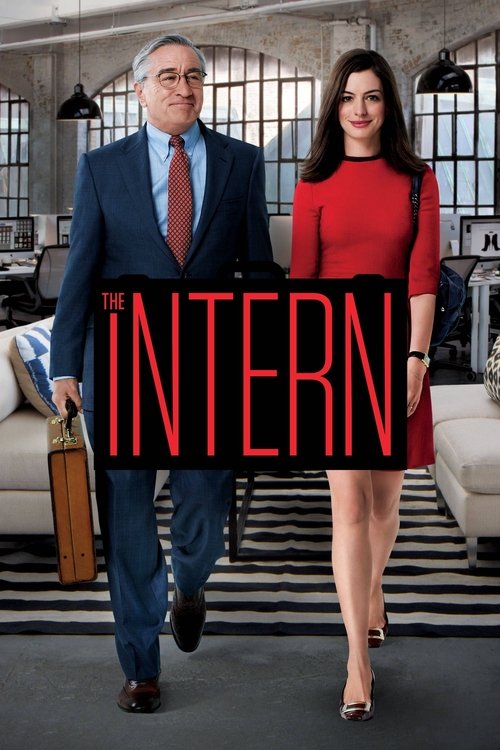
The Intern (2015)
Directed by Nancy Meyers · $78.2M domestic
No · Based
How we score movies →Consciousness Markers
The film centers on a female CEO and explores work-life balance issues affecting women, but ultimately undermines female agency through its reliance on male mentorship and guidance.
The film features a female CEO protagonist and a diverse workplace, but representation exists primarily as visual backdrop without deeper narrative engagement with identity.
The film includes gentle moralizing about work-life balance and intergenerational friendship, but this messaging is relatively light-handed and woven into character interaction rather than preachy.
The film celebrates entrepreneurial success and corporate achievement without critique, presenting capitalism as inherently positive and requiring only better work-life balance.
The workplace includes diverse employees, but there is no substantive engagement with racial themes or consciousness in the narrative.
No LGBTQ+ representation or themes are present in the film.
No environmental or climate-related themes or messaging appear in the film.
Despite the fashion industry setting, the film contains no specific engagement with body positivity or related themes.
No representation of or engagement with neurodivergent characters or neurodiversity themes.
Not applicable to this contemporary workplace comedy.


Synopsis
70-year-old widower Ben Whittaker has discovered that retirement isn't all it's cracked up to be. Seizing an opportunity to get back in the game, he becomes a senior intern at an online fashion site, founded and run by Jules Ostin.
Why it received this score
Nancy Meyers' "The Intern" presents a workplace comedy centered on a female CEO, yet the film's engagement with progressive sensibilities remains conspicuously superficial. Jules Ostin, played by Anne Hathaway, holds considerable professional authority and the narrative acknowledges work-life balance challenges facing ambitious women, but the resolution ultimately privileges male wisdom and mentorship over female agency. The film celebrates entrepreneurial capitalism without irony or critique, positioning the successful fashion e-commerce startup as an unambiguous good requiring only better work-life integration. The diverse workplace exists as backdrop rather than subject matter.
The film's fundamental conservatism emerges most clearly in its narrative arc, which transforms a successful woman's crisis into an opportunity for an older man to provide guidance and stability. The intergenerational mentorship proves warm and well-intentioned, but it reinforces a traditional power dynamic where the female protagonist requires male intervention to resolve her personal and professional struggles. Meyers, a female director, might have been expected to push further toward genuine female empowerment, yet instead the film retreats into gentler, safer territory where problems dissolve through friendship and personal growth rather than systemic change.
What cultural awareness the film possesses manifests primarily in surface representation: a female CEO, a multiethnic office, casual diversity that asks nothing of the audience except to notice it exists. The film operates as a time capsule of 2015 corporate feminism, where progress is measured in optics rather than outcomes. It is a thoroughly pleasant film about thoroughly pleasant people solving thoroughly pleasant problems, all while the machinery of late capitalism hums contentedly in the background.
Analysis generated by our Consciousness Algorithm
Critic Reviews
“With some genuinely insightful dialogue, a number of truly funny bits of physical business, and small scenes allowing us to get know and like a half-dozen supporting players, The Intern grows us on from scene to scene, from moment to moment.”
“Here’s the thing: The Intern, while having its share of silly moments, is the most genuinely enjoyable and likable movie that Meyers — a longtime writer and producer before taking up directing — has put her name to since, oh, I don’t know, 1984’s “Irreconcilable Differences.” ”
“These days, it’s tough to find a comedy that even aspires to sophistication. The Intern entertainingly fills that slot.”
“Nancy Meyers is unquestionably committed to her auteurist signature of giving her female protagonists their cake and letting them eat it too. ”