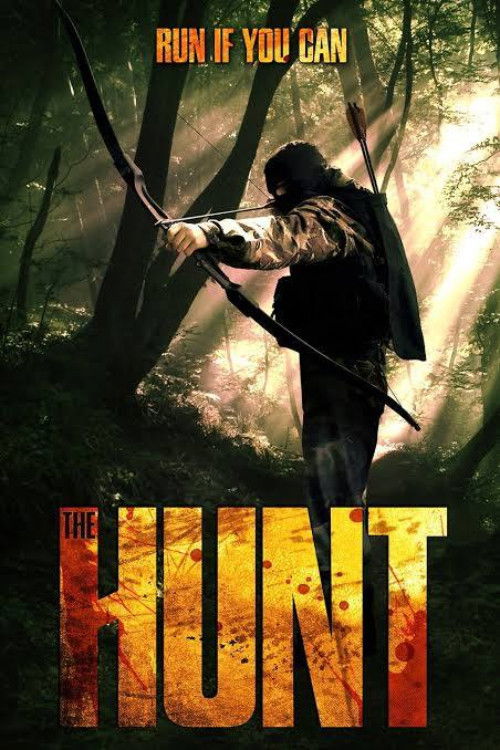
The Hunt (2011)
Directed by Thomas Szczepanski
No · Based
How we score movies →Consciousness Markers
The central conceit of wealthy elites hunting humans for profit contains anti-capitalist symbolism, but this remains largely unexamined. The film treats class conflict as backdrop for action rather than as serious critique.
The cast appears to include a diverse mix of French actors, but the film's narrative structure does not foreground questions of representation. Casting reflects European demographics without apparent intent toward meaningful inclusion.
While the premise invites social commentary, the film appears to prioritize action and spectacle. Any preachy elements are minimal and subordinate to entertainment.
The lead character is male and the narrative centers on masculine survival and agency. Female characters appear present but are not central to the thematic concerns.
The film does not appear to engage with racial themes or racial consciousness. Class is the primary axis of conflict.
No evidence of LGBTQ+ themes, characters, or representation in the film's premise or available documentation.
No evidence of climate-related themes or environmental consciousness in this action thriller.
No evidence of body positivity themes or challenges to conventional beauty standards in this survival thriller.
No representation of neurodivergent characters or engagement with neurodivergence as a theme.
This is a contemporary thriller with no historical setting or engagement with historical narratives.

Synopsis
An undercover reporter is commissioned to write a story about a series of gruesome murders. His investigation leads him to a secret society of wealthy businessman who hunt humans for money. Caught in a spiral of violence, he is forced to participate in the game until he discovers that he has become the hunted.
Why it received this score
The Hunt arrives as a period curio from 2011, a year when the cultural markers of contemporary progressive sensibility had not yet calcified into their current form. The film's central premise, in which wealthy businessmen hunt humans for sport, contains the skeleton of anti-capitalist critique, yet it remains largely a vehicle for exploitation and spectacle rather than genuine social consciousness. The narrative positions the reporter protagonist as victim and eventual survivor, but the film shows little interest in interrogating the systems that enable such predation or exploring the humanity of those consumed by the game.
What emerges from this thriller is primarily a revenge fantasy dressed in the language of class conflict. The wealthy are cartoonishly villainous, depicted as decadent and inhuman, but this caricature functions more as titillation for the audience than as substantive commentary on inequality. The film treats its violent set pieces with the enthusiasm of a video game adaptation, suggesting that the social critique is secondary to the mechanics of survival and combat.
One must acknowledge that this is a European action film from a decade ago, operating under different cultural assumptions than contemporary cinema. Yet even by those standards, The Hunt lacks the thematic depth or intentional social messaging that would elevate it beyond base exploitation. It is a film about class predation that seems uninterested in anything beyond the surface mechanics of its premise.
Analysis generated by our Consciousness Algorithm
Critic Reviews
“Mikkelsen, who is not given to sympathetic roles, has never been better. This is cinema that sinks its claws into your back.”
“An outstanding lead performance by Mads Mikkelsen (who won best actor for the role at Cannes in 2012) anchors this hauntingly layered and nuanced drama of a man falsely accused of a terrible deed.”
“For anyone with even a halfway developed sense of justice The Hunt may prove stressful, frustrating, even enraging, but it’s also an unbelievably effective watch, that, if nothing else signals an undeniable return to form for Vinterberg, and yet another blistering performance from Mikkelsen. See it, if only for the debates it will cause afterward.”
“Unlike in The Celebration, the cruelty and suffering in The Hunt feel both overly schematic and intellectually muddled. ”