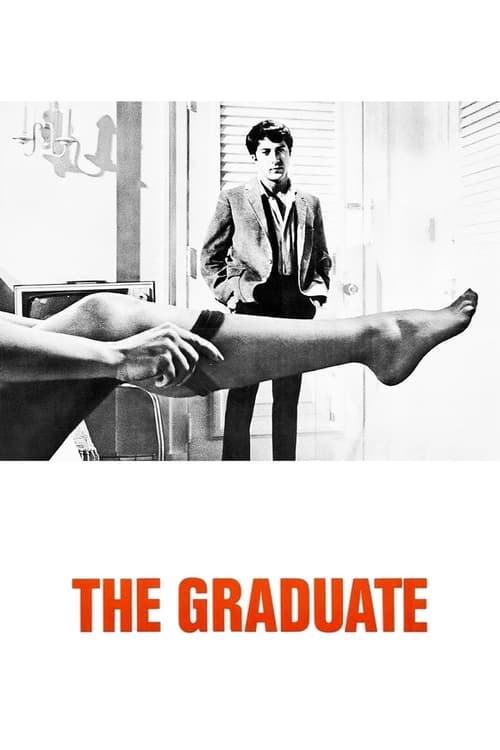
The Graduate (1967)
Directed by Mike Nichols
No · Ultra Based
How we score movies →Consciousness Markers
The film satirizes corporate conformity and the business world, but this is pre-2015 liberal critique rather than contemporary social justice anti-capitalism.
The film features white actors in all significant roles. The cast is entirely composed of white Americans, which was standard for 1967 but reflects no conscious effort toward diverse representation.
The film's satire of suburban values and the 'plastics' of American conformity carries a certain preachy quality, though it operates through comedy rather than explicit sermonizing.
Female characters exist primarily as objects of male desire. Mrs. Robinson is a predatory seductress, Elaine is a romantic prize. There is no examination of women's subjectivity or agency.
No LGBTQ+ themes or characters appear in the film. The narrative is entirely heterosexual in its romantic concerns.
The film contains no engagement with racial themes or consciousness. Race is entirely absent from the narrative.
Environmental concerns do not factor into the film's satirical scope. The critique focuses on consumer culture and suburban conformity, not ecological consciousness.
The film contains no body positivity messaging. Beauty standards are conventional and unexamined.
Neurodivergence is not addressed or represented in the film.
The film is not a historical work and contains no revisionist historical narratives.


Synopsis
A disillusioned college graduate finds himself torn between his older lover and her daughter.
Why it received this score
Mike Nichols' "The Graduate" stands as a monument to a pre-woke era of filmmaking, one where satire operated through narrative rather than through the careful calibration of social consciousness. The film's critique targets suburban conformity and the hollow pursuit of material success, concerns that animated mid-century liberal thought but bear little resemblance to the frameworks we now use to measure cultural awareness. Benjamin Braddock's aimlessness registers as authentically youthful anxiety, but the film offers no analysis of systemic power or identity-based oppression.
The women in this narrative exist in a peculiar state of narrative subordination. Mrs. Robinson seduces Benjamin not out of any developed characterization but because the script requires a seduction to occur. Elaine functions as a romantic destination rather than a realized human being. The film does not interrogate these dynamics or suggest any consciousness of how it deploys its female characters. This is not malice, merely the default storytelling of the 1960s.
Benjamin's rebellion against his parents' world feels genuine if ultimately incomplete. He rejects the path laid out for him, but the film offers no coherent alternative vision. His escape consists of romantic love, which the narrative presents as redemptive. We are meant to celebrate his choice without examining what it actually means. This is the film's greatest limitation: it mistakes personal rebellion for systemic critique.
Analysis generated by our Consciousness Algorithm
Critic Reviews
“Dustin Hoffman gives the inspired performance that launched his movie career, and director Mike Nichols shows a gift for social satire that has never glistened quite so brightly since. [Review of re-release]”
“The Graduate is a flawlessly acted and produced film. [Review of re-release]”
“The screenplay, which begins as genuine comedy, soon degenerates into spurious melodrama.”