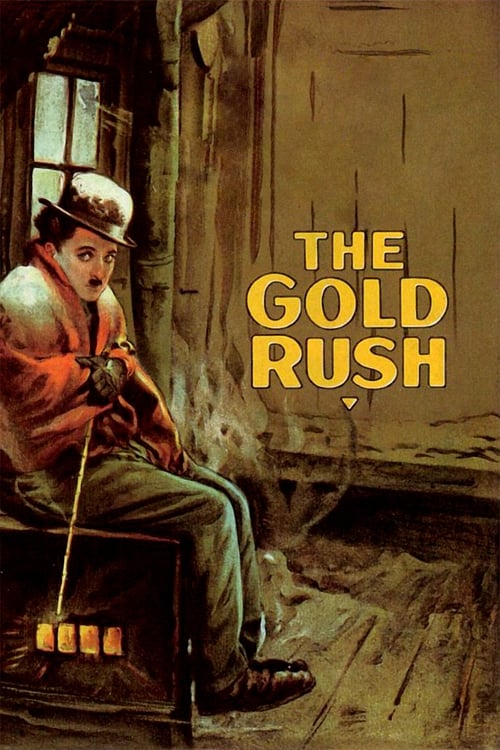
The Gold Rush (1925)
Directed by Charlie Chaplin
No · Ultra Based
How we score movies →Consciousness Markers
The film depicts economic struggle and the desperation of poverty, which could be read as sympathetic to working-class experience. However, this reflects humanist concern rather than any systemic critique of capitalism.
The female lead exists primarily as a romantic object. While not overtly misogynistic by 1925 standards, the film contains no feminist agenda or critique of gender relations.
The cast reflects typical 1920s Hollywood composition. Characters are cast for comedic and romantic value rather than any deliberate representation strategy.
No LGBTQ+ themes, representation, or subtext. The film focuses entirely on heterosexual romantic pursuit.
No engagement with racial themes or consciousness. The film is set in Alaska during the gold rush with an all-white cast reflecting the period's casting norms.
The harsh Alaskan setting provides backdrop and obstacle, not environmental commentary. No climate messaging or ecological awareness is present.
Body comedy drives much of the physical humor. No body positivity messaging is present, though also no explicit body shaming beyond slapstick convention.
No engagement with neurodivergence or mental health as conceptual categories. The Tramp's characterization does not invoke these frameworks.
The film takes no revisionist stance on the historical gold rush or any other historical event. It uses the setting as backdrop for personal comedy and romance.
A silent comedy with no dialogue to deliver lectures. The film entertains rather than instructs on social matters.


Synopsis
A gold prospector in Alaska struggles to survive the elements and win the heart of a dance hall girl.
Why it received this score
Charlie Chaplin's "The Gold Rush" remains a masterwork of physical comedy and sentiment, yet it is a product of 1925, which is to say it exists in a cultural register entirely foreign to contemporary frameworks of social consciousness. The film concerns itself with the universal struggles of poverty, survival, and romantic longing rather than any systematic interrogation of identity categories or systemic inequities. Chaplin's "Tramp" character represents an everyman figure defined by economic precarity, not by any specific demographic positioning or awareness of marginalization as a political category.
The film's gender dynamics, viewed through a modern lens, present a dance hall girl as a romantic object rather than a fully realized character with interiority or agency. Yet to score this severely for failing to meet standards that did not exist in 1925 would be to commit a category error. The work contains no progressive social messaging whatsoever, nor does it attempt any revisionist reinterpretation of historical events or power structures. Its comedy derives from physical mishap and emotional authenticity, not from any engagement with contemporary identity politics.
What we have here is a silent film comedy from the Jazz Age, a work of genuine artistic achievement that exists almost entirely outside the constellation of concerns we are tasked with evaluating. It is therefore assigned a minimal score, reflecting not artistic merit but the complete absence of the specific cultural markers that define the object of our scrutiny.
Analysis generated by our Consciousness Algorithm
Critic Reviews
“It's easy to see why this has consistently entertained generations of audiences.”
“Here is a comedy with streaks of poetry, pathos, tenderness, linked with brusqueness and boisterousness. It is the outstanding gem of all Chaplin's pictures, as it has more thought and originality than even such masterpieces of mirth as "The Kid" and "Shoulder Arms."”
“It is the greatest and most elaborate comedy ever filmed, and will stand for years as the biggest hit in its field.”
“Mercifully, it lacks the pretentious moralising of his later work, and is far more professionally put together. But for all its relative dramatic coherence, it's still hard to see how it was ever taken as a masterpiece.”