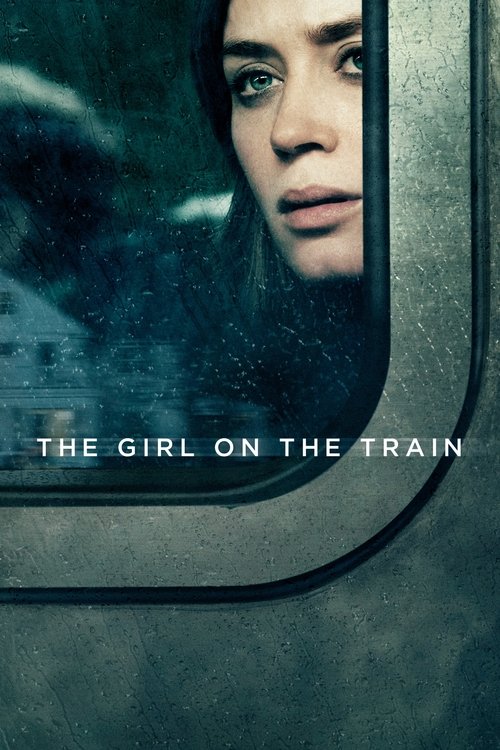
The Girl on the Train (2016)
Directed by Tate Taylor
No · Ultra Based
How we score movies →Consciousness Markers
Female characters drive the narrative and possess agency, but the film treats their trauma as personal psychology rather than systemic gender critique.
While the cast includes several female leads, the ensemble is predominantly white. No evidence of deliberate diverse casting or representation consciousness.
The film occasionally gestures toward commentary on domestic violence and female vulnerability, but stops short of explicit preachiness.
Class differences between characters are present but treated as backdrop rather than subject of critique or examination.
No LGBTQ+ themes, characters, or representation present in the film.
No racial themes, commentary, or consciousness evident. A predominantly white cast in London without acknowledgment or exploration of this choice.
No climate-related themes or environmental consciousness present.
No body positivity themes or relevant representation evident.
No representation of neurodivergence or related themes.
A contemporary thriller with no historical revisionism.


Synopsis
Rachel Watson, devastated by her recent divorce, spends her daily commute fantasizing about the seemingly perfect couple who live in a house that her train passes every day, until one morning she sees something shocking happen there and becomes entangled in the mystery that unfolds.
Why it received this score
The Girl on the Train presents itself as a female-centered thriller, and indeed the narrative machinery is powered almost entirely by women. Three female characters occupy the structural core of the mystery, and the film does not apologize for centering their perspectives. Yet this alone does not constitute progressive social consciousness in the contemporary sense. The domestic violence that anchors the plot exists as personal trauma, a psychological pressure point for the characters, rather than as a systemic issue warranting examination or critique. We are invited to empathize with victimhood but not to interrogate its social foundations.
The film's engagement with class remains largely incidental. The commuter train itself serves as a social dividing line, separating Rachel's precarious post-divorce existence from the aspirational comfort of suburban couples, but this observation never coheres into meaningful commentary. The cast is predominantly white, which in 2016 London feels like a notable choice rather than a documentary necessity. There is no engagement with questions of racial representation, climate, economic systems, or any of the other contemporary progressive preoccupations that define the cultural moment in which the film was made.
What emerges is a competent psychological thriller that happens to feature women in positions of agency and vulnerability. The film is neither hostile to progressive sensibilities nor particularly committed to them. It exists in a cultural space before the specific markers of 2020s progressive cinema became aesthetically mandatory. For a film that deals with female experience, it remains remarkably incurious about the social structures that shape that experience.
Analysis generated by our Consciousness Algorithm
Critic Reviews
“Presented with an economy and emotional cool that add to, rather than subtract from, its dramatic impact, The Girl on the Train reverberates with a quiet, seductive power.”
“While the story pivots on an actual girl-who-cried-wolf incident, this elegantly constructed movie is about much more than that.”
“Given several years’ distance from the media blitz, Téchiné brings clarity, maturity, and perspective to the case while still subtly addressing all the thorny social issues the affair touched off.”
“Techine glosses over the story’s most potent issue: France’s complicated relationship with its Jewish community.”