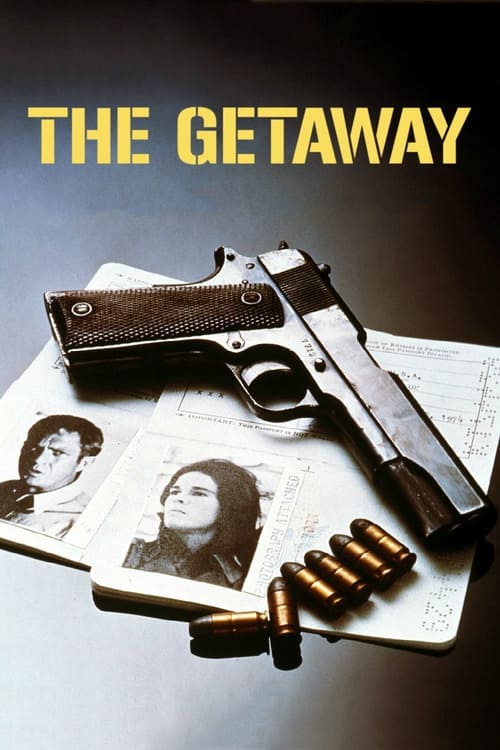
The Getaway (1972)
Directed by Sam Peckinpah
No · Ultra Based
How we score movies →Consciousness Markers
The heist plot and the couple's status as outsiders fleeing the system suggest some anti-establishment sentiment, though this is standard crime thriller fare rather than ideological critique.
Cast reflects 1972 Hollywood norms with white male leads and female supporting roles. No deliberate attempt at diverse representation.
Ali MacGraw's character is secondary to the male protagonist and lacks agency. Relationship dynamics are traditional and unconsidered from a feminist perspective.
The film contains some racial elements typical of 1970s crime cinema but exhibits no modern racial consciousness or commentary.
The film is purely narrative-driven action cinema with no preachy impulse or moral instruction to the audience.
No LGBTQ+ themes, characters, or representation present in the film.
No climate-related themes or environmental consciousness present in the narrative.
No body positivity themes or commentary on physical appearance standards present.
No representation of or engagement with neurodivergent characters or perspectives.
This is a contemporary crime thriller with no historical setting or revisionist historical claims.


Synopsis
A recently released ex-convict and his loyal wife go on the run after a heist goes wrong.
Why it received this score
Sam Peckinpah's "The Getaway" presents a 1972 vision of outlaw romance, which is to say a vision entirely unconcerned with the cultural preoccupations that would come to dominate cinema decades hence. The film is a study in masculine anxiety and violence, its characters driven by impulse rather than ideology. Steve McQueen's ex-convict protagonist operates in a moral vacuum, and the film makes no attempt to contextualize his actions within any framework of social consciousness. Ali MacGraw's Carol exists primarily as an ornament to the male narrative, her agency limited to following her husband's lead and occasionally expressing concern. The violence here is balletic and consequential, not interrogated through any lens of modern sensibility.
What emerges from Peckinpah's direction is a film entirely at peace with its own amorality. There are no lectures about the systems that created these criminals, no meditation on the injustice of incarceration, no suggestion that Carol's subordination represents anything worth examining. The supporting cast is drawn from working-class and rural archetypes, but they are simply characters, not representatives of demographic categories requiring equitable representation. The film's world is one of male violence, female vulnerability, and the occasional moment of tenderness between the couple, all of which feels entirely natural to the 1970s crime thriller genre.
This is a film that predates the modern vocabulary of social consciousness by a generation. It would be anachronistic to expect it to grapple with contemporary progressive sensibilities, and anachronism itself is not the appropriate framework for evaluation. "The Getaway" is what it is: a competent, amoral thriller that treats its subjects as narrative functions rather than vehicles for cultural commentary. This is precisely the kind of film that scores low not because it fails at something it never attempted, but because it was made in an era when such attempts were simply not part of the project.
Analysis generated by our Consciousness Algorithm
Critic Reviews
“Peckinpah's own control of the escalating frenzy is masterly; this is one of his coldest films, but a great thriller.”
“This violent film, typical of Peckinpah's slam-bang action movies, relentlessly depicts ruthless robbery and murder, not to mention adultery, kidnaping, bribery, extortion, and general mayhem. The vivid direction and lightning pace, however, make the film completely fascinating.”
“The action and the violence of The Getaway are supported by no particular themes whatsoever. The movie just unravels.”