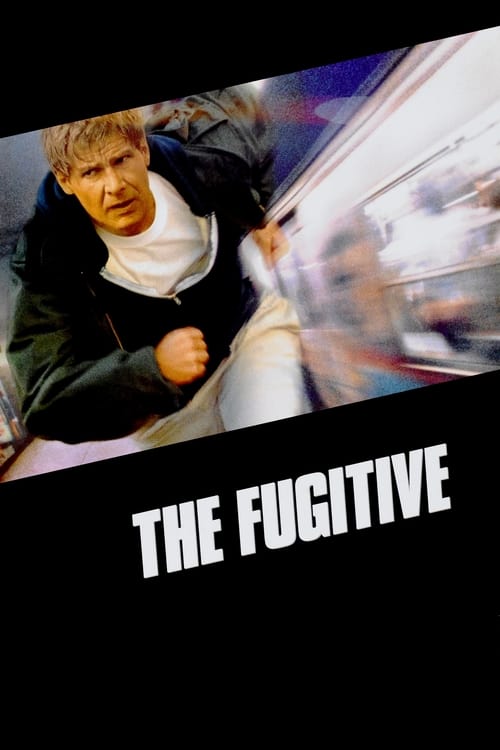
The Fugitive (1993)
Directed by Andrew Davis
No · Ultra Based
How we score movies →Consciousness Markers
Tommy Lee Jones as the U.S. Marshal provides a Black character in a position of authority, though this reflects period casting norms rather than conscious representation strategy.
Cast is predominantly white with minimal ethnic diversity. No intentional representation strategy present.
The protagonist's wife is deceased and exists only as motivation. No female characters with agency or significance in the narrative.
No LGBTQ+ themes, characters, or representation of any kind.
No climate-related themes, messaging, or environmental consciousness present.
No critique of capitalism, wealth, or corporate structures. The narrative centers on individual vindication.
Bodies on display conform to conventional action-movie standards with no consideration for diversity of body types.
No representation of neurodivergent characters or conditions.
The film contains no historical revisionism. It is set in contemporary times with no historical claims.
The film contains no preachy messaging or lecture-like exposition about social issues. It prioritizes spectacle over commentary.


Synopsis
Wrongfully convicted of murdering his wife and sentenced to death, Richard Kimble escapes from the law in an attempt to find the real killer and clear his name.
Why it received this score
The Fugitive is a pre-consciousness action thriller that operates entirely within the narrative conventions of early 1990s Hollywood. Andrew Davis constructs a propulsive machine of a film, all chases and plot mechanics, with no detectable interest in social commentary or cultural awareness. The film's universe is a purely functional one where characters exist to move the story forward rather than to embody any particular values or consciousness. Harrison Ford's Richard Kimble is the archetypal wronged man, and the machinery of the plot grinds forward with efficient indifference to any consideration beyond immediate narrative momentum.
The representation choices are those of a film made before such choices were subject to scrutiny. The cast reflects Hollywood's default settings of the early 1990s: predominantly white, male-centered, with women relegated to absent or peripheral roles. Tommy Lee Jones provides the secondary male perspective as the pursuing marshal, a character defined by competence and authority rather than complexity. The supporting players function as obstacles or helpers within the mechanics of pursuit. The film's Chicago setting includes background diversity that reflects actual urban demographics, but this is incidental rather than intentional.
There is nothing here to offend contemporary sensibilities because there is nothing here to engage with them at all. The Fugitive is a film of pure narrative efficiency, a machine that runs on adrenaline and plot convenience. It is precisely the kind of mainstream action cinema that preceded the cultural self-consciousness of the 2010s, when Hollywood began to interrogate its own assumptions. This film has no such interrogations. It is content to simply exist as spectacle, and in that contentment lies its period charm.
Analysis generated by our Consciousness Algorithm
Critic Reviews
“Turns out to be a smashing success, a juggernaut of an action-adventure saga that owes noithing to the past. To put it simply, thi is a home run. ”
“A tense, taut and expert thriller that becomes something more than that, an allegory about an innocent man in a world prepared to crush him.”
“What makes the film so special is that Ford and Tommy Lee Jones (as his chief pursuer, US Marshal Samuel Gerard) are such beautifully matched adversaries.”
“Most big-screen adaptations of small-screen fare seek to discover some deeper - or, at least, more complex - implications of the material. But in this new Fugitive, the filmmakers have taken just the opposite approach.”