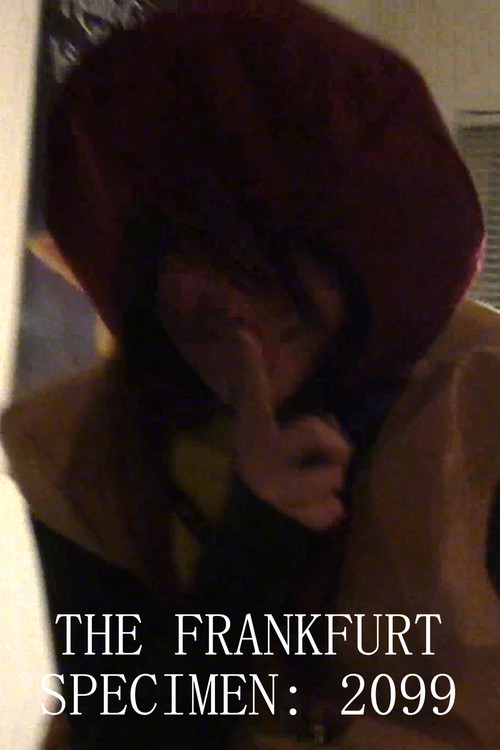
The Frankfurt Specimen: 2099 (2026)
Directed by Matt Whisner
No · Ultra Based
How we score movies →Consciousness Markers
The cast list suggests predominantly white and male performers with minimal diversity. While this may reflect the action-thriller genre conventions, there is no countervailing evidence of intentional inclusive casting practices.
The terrorist organization in the premise could theoretically represent anti-capitalist sentiment, but the synopsis provides no evidence of systematic critique of capitalism or wealth inequality. The threat is presented as a security problem rather than ideological commentary.
The premise centers on a terrorist attack and national security threat with no apparent engagement with feminist themes or female-centered narrative concerns. The limited female cast members appear to be supporting players in a male-dominated scenario.
The film appears to prioritize entertainment and spectacle over didactic messaging. There is minimal evidence of the filmmakers wishing to instruct audiences about systemic inequities or social problems.
The film shows no signs of racial consciousness or engagement with questions of systemic racism. The plot concerns bioterrorism and government security rather than racial equity or justice.
The psychosis-inducing virus could theoretically engage with mental health themes, but the synopsis suggests it is treated as a weapon and plot device rather than a serious engagement with neurodivergence or mental illness representation.
Body positivity is not a discernible element of the narrative. The film concerns action and spectacle rather than bodily representation or acceptance.
Set in a future year (2099), the film is not positioned as historical revision. There is no indication of reframing past events through a contemporary social consciousness lens.
No LGBTQ+ themes are evident in the plot synopsis or available information about the film. There is no indication of queer representation or relevant narrative elements.
There is no indication that climate change or environmental concerns factor into the narrative. The premise focuses on bioterrorism rather than ecological themes.
Synopsis
A radical terrorist organization steals a virus, breaks into the capital building, and releases the psychosis-inducing Frankfurt Specimen, wreaking havoc on the president's birthday party.
Why it received this score
The Frankfurt Specimen: 2099 presents itself as a conventional sci-fi thriller centered on a bioterrorist attack at the nation's capital. There is nothing in the premise or available information suggesting engagement with the markers of contemporary progressive sensibilities. The cast appears to be primarily white and male (based on the names provided), there are no indicated LGBTQ+ themes, and the narrative concerns itself with national security rather than social consciousness. The film appears content to traffic in familiar action-thriller tropes without the added burden of cultural commentary.
The director Matt Whisner and this particular project show no signs of the self-aware social positioning that has become nearly mandatory in contemporary studio filmmaking. There is no evident commitment to representation beyond what narrative convenience demands, no apparent interest in climate concerns, and no detectable lecture energy suggesting the filmmakers wish to educate us about systemic inequities. The psychosis-inducing virus and Capitol building setting could theoretically be deployed for political allegory, but the synopsis offers no evidence that such ambitions exist here.
This is a film that appears to want nothing more than to entertain through spectacle and terror, a posture that has become almost refreshingly uncomplicated in an era of relentless message-loading. Whether this restraint represents artistic integrity or simple creative exhaustion remains an open question, though the distinction may be academic.
Analysis generated by our Consciousness Algorithm