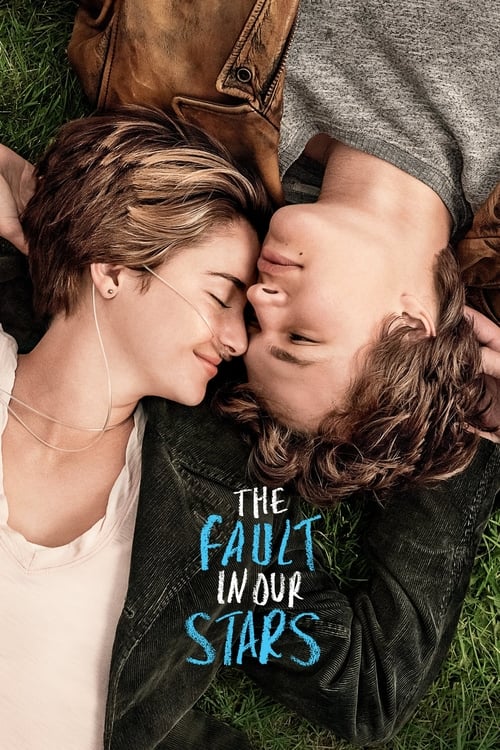
The Fault in Our Stars (2014)
Directed by Josh Boone
No · Ultra Based
How we score movies →Consciousness Markers
Hazel is an intelligent protagonist with agency, but this characterization derives from the 2012 novel rather than a progressive reframing, and the romance remains central to the narrative.
The film features a diverse supporting cast and centers on characters with terminal illness, but casting choices reflect the source material rather than intentional progressive representation.
The film includes philosophical monologues about life and infinity, but these emerge naturally from character dialogue rather than functioning as preachy lectures about social issues.
While the film depicts characters with serious illness, it treats their condition as a medical reality rather than an opportunity for body positivity messaging or celebration of non-normative bodies.
No LGBTQ+ themes, representation, or storylines present in the film.
No racial consciousness or commentary about race appears in the film, and the cast is predominantly white.
No climate-related themes, messaging, or plot elements present.
No anti-capitalist messaging or critique of wealth and power structures in the film.
No representation of neurodivergence or related themes.
The film contains no historical elements or revisionist history.


Synopsis
Despite the tumor-shrinking medical miracle that has bought her a few years, Hazel has never been anything but terminal, her final chapter inscribed upon diagnosis. But when a patient named Augustus Waters suddenly appears at Cancer Kid Support Group, Hazel's story is about to be completely rewritten.
Why it received this score
The Fault in Our Stars arrives as a perfectly serviceable adaptation of John Green's bestselling novel, which is to say it contains all the emotional beats one would expect from a young adult romance about attractive teenagers confronting mortality. The film makes no apparent effort to inject its material with contemporary progressive sensibilities. Hazel and Gus remain unchanged from their literary counterparts, witty and self-aware but not consciously positioned as avatars of any particular social consciousness. The supporting cast, including Laura Dern and Willem Dafoe, performs competently in roles that neither challenge nor interrogate existing power structures.
What results is a work of considerable earnestness, the sort of film that takes its own emotional weight seriously without feeling compelled to address systemic inequalities or contemporary cultural anxieties. The cancer that drives the narrative functions as a plot device and existential catalyst rather than as an opportunity to examine disability, healthcare, or bodily autonomy through a progressive lens. The film's vision of teenage romance, set against the backdrop of a support group, could have explored how marginalized bodies are often rendered invisible or infantilized, but such concerns do not appear to trouble the filmmakers.
The commercial success of this film, particularly among young female audiences, speaks to its effectiveness as an entertainment product rather than its cultural consciousness. It offers catharsis without provocation, emotional satisfaction without intellectual challenge. In this respect, it stands as a monument to pre-contemporary young adult cinema, a form that has since been substantially reformed by the pressure of social movements. We might regard this film as a cultural artifact that documents the state of mainstream entertainment in 2014, before the progressive recalibration of popular media became standard industry practice.
Analysis generated by our Consciousness Algorithm
Critic Reviews
“Director Josh Boone does a wonderful job of celebrating the sentimentality without shying away from the tough moments. The pacing, music and editing are all first-rate.”
“The Fault in Our Stars beautifully captures the hesitancy, shyness masked by outward confidence, feelings of unworthiness and quiet intensity of teenagers in love. ”
“The Fault in Our Stars may not show the true messiness of cancer, but it does grapple with death and the ability to survive great loss. Maybe that's enough truth for one movie.”
“This movie is so tone-deaf it would only make sense in Vincent van Gogh’s missing ear.”