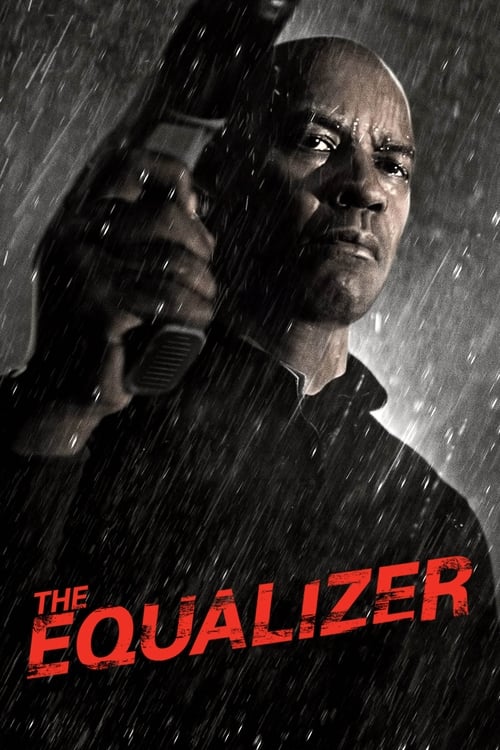
The Equalizer (2014)
Directed by Antoine Fuqua
No · Ultra Based
How we score movies →Consciousness Markers
While some critics identify potential racial subtext, the film itself contains no explicit engagement with racial themes or contemporary racial consciousness; any subtext remains implicit rather than textual.
Denzel Washington as the lead protagonist provides prominent representation, but the film does not make race or representation a thematic focus or commentary element.
Female characters exist primarily as victims requiring male rescue; the narrative centers male heroics and agency rather than female empowerment or complex female perspectives.
No LGBTQ+ content, themes, or representation present in the film.
No climate-related content, environmental themes, or climate activism present in the film.
No anti-capitalist messaging or critique of economic systems; the villain is a foreign crime lord rather than a representation of capitalist exploitation.
No body positivity messaging, representation of diverse body types, or commentary on beauty standards in the film.
No representation of neurodivergent characters or engagement with neurodivergence as a theme.
The film is not a historical narrative and contains no revisionist historical elements or reinterpretation of historical events.
The film prioritizes action sequences and plot momentum over preachy messaging; it contains no preaching about social issues or explicit moral lectures.


Synopsis
McCall believes he has put his mysterious past behind him and dedicated himself to beginning a new, quiet life. But when he meets Teri, a young girl under the control of ultra-violent Russian gangsters, he can't stand idly by – he has to help her. Armed with hidden skills that allow him to serve vengeance against anyone who would brutalize the helpless, McCall comes out of his self-imposed retirement and finds his desire for justice reawakened. If someone has a problem, if the odds are stacked against them, if they have nowhere else to turn, McCall will help. He is The Equalizer.
Why it received this score
The Equalizer is a straightforward vigilante thriller that demonstrates little interest in contemporary social consciousness or progressive cultural sensibilities. Denzel Washington anchors the film as a retired operative dispensing justice against Russian traffickers, but the narrative remains locked within the conventions of the action genre, content to deploy violence as moral clarity without interrogating its own premises. The film's representation of its protagonist, while prominent, functions within a traditional heroic framework rather than as commentary on systemic inequality or modern social awareness.
What emerges is a product designed for maximum commercial appeal to action audiences, with no appetite for the complications that progressive storytelling might introduce. The young female character exists primarily as a victim requiring male intervention, the foreign villains pose no challenge to American institutional power, and the entire moral universe operates on a simple axis of personal virtue and personal revenge. The film is neither interested in nor hostile to contemporary social consciousness; it simply ignores the category entirely.
Some critics have identified potential racial subtext in the casting and narrative, yet the film itself declines to excavate or foreground these dimensions, leaving interpretation to academic analysis rather than textual evidence. It is a 2014 action film made for audiences seeking uncomplicated heroics and competent direction, which it provides in abundance. For those tracking the cultural markers of progressive sensibility, it registers as essentially barren terrain.
Analysis generated by our Consciousness Algorithm
Critic Reviews
“The Equalizer is gripping, mysterious and even sometimes moving, but it’s never pleasant, still less fun. If you decide to go, don’t claim you weren’t warned. If you skip it, you’re missing one of the year’s signal works of superior Hollywood craftsmanship.”
“The Equalizer features some gruesomely creative violence, but it’s equally memorable for the small, gritty moments set in that diner, or on the rough-and-tumble streets of Boston. And most of all, it’s got Denzel going for it.”
“Ramping up his style to a more dynamic and elegant level than he’s achieved previously, Fuqua socks over the suspense and action but also takes the time for some quiet, even spare moments to emphasize the hero’s calm and apartness.”