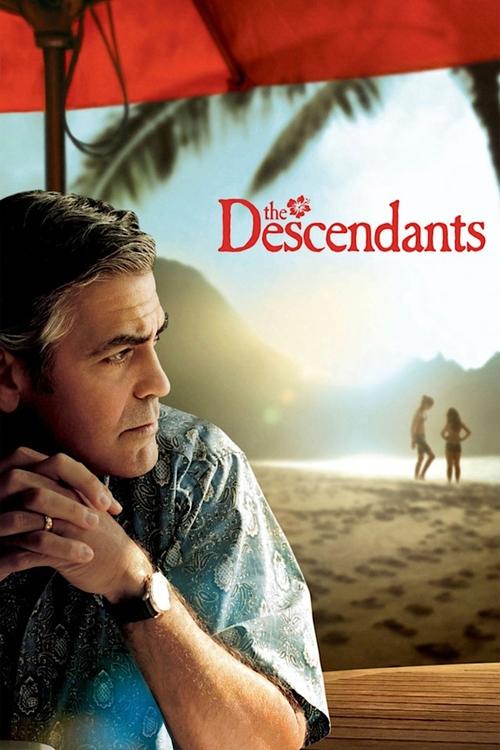
The Descendants (2011)
Directed by Alexander Payne
No · Ultra Based
How we score movies →Consciousness Markers
The film engages with wealth and inheritance, and the protagonist does experience some moral questioning about selling ancestral land, but the critique remains soft and individualistic rather than systemic.
Local and Hawaiian actors appear in supporting roles, but their casting feels tokenistic and their characters lack depth or agency in the narrative.
The film acknowledges Hawaii and Hawaiian culture superficially but treats indigenous land rights as a plot device for the protagonist's moral growth rather than as a matter of genuine concern.
The film maintains a relatively naturalistic tone, though moments of moral instruction about family and responsibility edge toward light preachiness.
Female characters exist in the narrative but are largely defined by their relationships to the male protagonist; the wife is comatose, the daughter is a stock rebellious teenager.
No LGBTQ+ themes, characters, or representation present in the film.
No climate-related themes or environmental consciousness present in the film.
No body positivity themes or commentary present in the film.
No representation of neurodivergent characters or themes present in the film.
The film does not engage in revisionist historical narratives.


Synopsis
With his wife Elizabeth on life support after a boating accident, Hawaiian land baron Matt King takes his daughters on a trip from Oahu to Kauai to confront a young real estate broker, who was having an affair with Elizabeth before her misfortune.
Why it received this score
Alexander Payne's "The Descendants" presents itself as a film deeply concerned with Hawaiian land and culture, yet remains fundamentally a vehicle for George Clooney's emotional journey through wealth and family dysfunction. The narrative centers entirely on a white land baron's moral awakening regarding his vast ancestral holdings, a premise that positions indigenous land issues as a backdrop for white male self-discovery rather than as a matter of genuine cultural or political urgency. The film's relationship to Hawaii and Hawaiian identity is ornamental at best, decorative at worst.
The cast features token Hawaiian and local actors in supporting roles, their cultural specificity absorbed into the film's broader family drama without meaningful examination of what their presence actually signifies. Shailene Woodley appears as a rebellious teenage daughter, and while her character does exhibit some agency, this reflects generic coming-of-age storytelling rather than any progressive vision. The film contains no discernible engagement with LGBTQ+ themes, no meaningful racial consciousness beyond surface acknowledgment, and no feminist perspective worth mentioning. A woman lies comatose throughout the narrative, serving primarily as the catalyst for the male protagonist's emotional reckoning.
What remains is a competently crafted tragicomedy about privilege, regret, and family bonds. These are legitimate human concerns, but they are not the concerns that define contemporary progressive sensibility. "The Descendants" was made in 2011, before the cultural moment that would make such contradictions impossible to ignore, and it wears this timing as both armor and excuse.
Analysis generated by our Consciousness Algorithm
Critic Reviews
“The Descendants is that rare bird, moving, enlightening, funny and unapologetically human. It's one of the year's best pictures, one to savor and think about.”
“After a five-year wait since "Sideways," Alexander Payne has made his best film yet with The Descendants. Ostensibly a study of loss and coping with a tragic situation, this wonderfully nuanced look at a father and two daughters dealing with the imminent death of his wife and their mother turns the miraculous trick of possibly being even funnier than it is moving. ”
“Heartwarming, tragic and, at times, hilariously funny drama.”
“It's such a disappointment that The Descendants isn't a better movie than it is. In this soap opera disguised as a comedy, Payne, who was always a master at balancing sharp satire with an essential humanism, has traded his tart lemon center for a squishy marshmallow one. ”