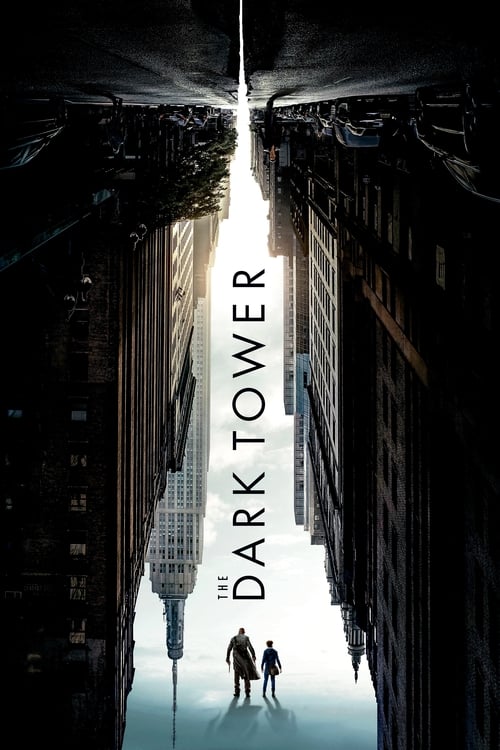
The Dark Tower (2017)
Directed by Nikolaj Arcel
No · Ultra Based
How we score movies →Consciousness Markers
Idris Elba, Claudia Kim, and other actors of color in the cast provide surface-level representation, though the film makes no thematic use of their presence or identities.
While Elba's casting challenged source material expectations, the film itself demonstrates no racial consciousness or engagement with systemic racism.
Matthew McConaughey's villain delivers some expository monologuing about his motivations, though this is conventional action-film dialogue rather than preachy social commentary.
No LGBTQ+ themes, characters, or representation present in the film.
No feminist agenda or commentary on gender dynamics appears in the narrative.
Climate change or environmental themes are entirely absent from this interdimensional fantasy narrative.
No anti-capitalist messaging or critique of wealth and power structures present.
The film contains no body positivity messaging or challenge to conventional beauty standards.
No representation or thematic engagement with neurodivergence or mental health conditions.
The film's fantasy setting does not engage with historical revisionism or reexamination of past events.


Synopsis
A boy haunted by visions of a parallel world aids its disillusioned guardian in preventing the destruction of the nexus of universes known as the Dark Tower.
Why it received this score
The Dark Tower arrives as a curious artifact of mid-2010s adaptation politics, a film that appears to believe that casting a Black actor in a traditionally white literary role constitutes progressive sensibility while remaining fundamentally unconcerned with any deeper engagement with social themes. Idris Elba's presence as Roland Deschain carries a certain gravitas, though the film treats his casting as a fait accompli rather than an opportunity for meaningful exploration of racial dynamics or cultural representation. The narrative itself remains stubbornly apolitical, concerned only with the collision of worlds and the battle between good and evil across dimensions, which is to say it concerns itself with none of the markers we have come to associate with contemporary progressive filmmaking.
Matthew McConaughey's Man in Black is a delightfully theatrical villain, all drawled malevolence and scenery-chewing menace, yet the film offers no satirical commentary on capitalism, no meditation on environmental collapse, no interrogation of systemic power structures. The supporting cast, which includes representatives from various backgrounds, functions as set dressing in a narrative that has no interest in their interiority or the systems that might oppress them. Tom Taylor's young protagonist serves as the emotional center, but the film treats his character with conventional action-adventure logic rather than any engagement with neurodivergence, bodily difference, or the psychological trauma that such a role might invite in more socially conscious hands.
The result is a film so determined to be nothing more than a spectacle of interdimensional combat and betrayal that it achieves a kind of negative capability regarding social consciousness. It is not actively hostile to progressive values, but neither does it demonstrate any awareness that such values might apply to its own narrative universe. The Dark Tower is, in this sense, a film from another era, one that believed representation in casting was sufficient unto itself, requiring no further examination or engagement with the lived experiences of its diverse cast.
Analysis generated by our Consciousness Algorithm
Critic Reviews
“In the vast canon of King-derived movies, “Tower” belongs in the upper ranks.”
“It’s a highly competent and watchable paranoid metaphysical video game that doesn’t overstay its welcome, includes some luridly entertaining visual effects, and — it has to be said — summons an emotional impact of close to zero. Which in a film like this one isn’t necessarily a disadvantage.”
“Arcel’s film is fun, loving, scary, and often as genuinely compelling as it is wildly misguided. The Dark Tower may be a terrible, even baffling version of Stephen King’s The Dark Tower, but it’s highly enjoyable as a cinematic King fanfic.”
“From start to finish, the movie exudes a stiff, joyless coherence. ”