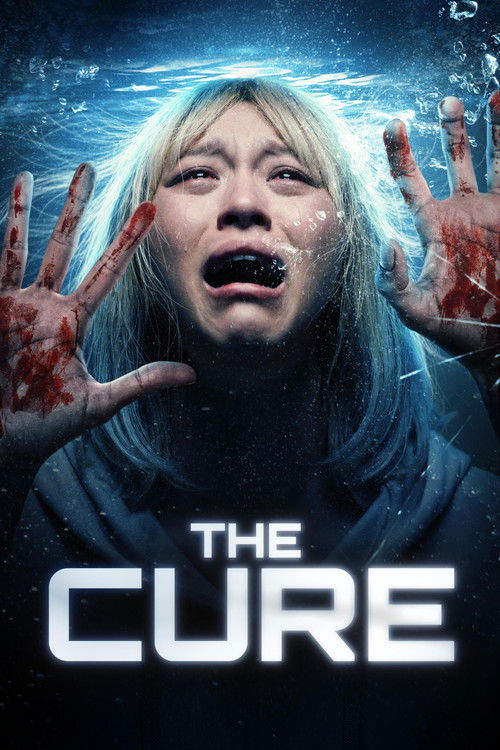
The Cure (2026)
Directed by Nancy Leopardi
Partly · Woke-Adjacent
How we score movies →Consciousness Markers
The central antagonists are explicitly biotech billionaires harvesting resources from a vulnerable person, positioning wealth and corporate power as sources of evil, which carries strong anti-capitalist implications.
The film centers bodily autonomy and violation of a young woman, which aligns with feminist concerns, though the degree to which this is thematic versus plot-mechanical remains uncertain.
The protagonist is a 16-year-old girl, a demographic choice that suggests representation awareness, but the cast composition and whether her identity intersects with other marginalized categories remains unclear from available information.
The director's stated intention to engage with biotech ethics and socio-political realities suggests some thematic weight, though whether this translates to didactic messaging remains to be determined by the final film.
The cast includes diverse surnames suggesting multiethnic representation, but there is no indication in promotional materials that racial dynamics factor into the narrative.
The protagonist has a mysterious illness, which could potentially engage with disability representation, but there is insufficient information to suggest intentional neurodivergence representation.
No indication of LGBTQ+ themes or representation in the available synopsis, trailer information, or promotional materials.
No evidence of climate-related themes in the synopsis or promotional materials. The biotech focus is not inherently climate-conscious.
The film's engagement with bodies centers on violation and exploitation rather than body positivity or acceptance of diverse body types.
As a contemporary sci-fi thriller, the film does not appear to engage with historical revision or reframing.
Synopsis
An adopted 16-year-old with a mysterious illness learns her bio-tech billionaire parents are harvesting her blood for nefarious purposes.
Why it received this score
Nancy Leopardi's "The Cure" arrives as a sci-fi horror vehicle constructed around the sinister exploitation of a vulnerable adolescent at the hands of wealthy biotechnical overlords. The premise itself offers fertile ground for contemporary anxieties: parental betrayal, bodily autonomy, and the commodification of human biology by the ultra-rich. The film centers an adopted teenage girl as its protagonist, a choice that gestures toward representation awareness without necessarily engaging deeply with the particular vulnerabilities of adoption and found family trauma, though the specificity of her adoptive status may yet emerge as narratively significant rather than merely incidental.
The film's ideological scaffolding leans toward anti-capitalist critique, positioning biotech billionaires as the villainous architects of exploitation, which carries contemporary resonance in an era of intense scrutiny regarding corporate malfeasance and scientific ethics. However, the central tension remains primarily a horror plot device instead of a structural examination of systemic inequality. We are presented with individual monsters instead of institutional failure, a distinction that separates genuine social critique from conventional genre mechanics. The emphasis on bodily violation and medical exploitation touches on themes of bodily autonomy and consent, though whether these emerge as feminist concerns or simply as the standard machinery of threat in horror cinema remains to be seen.
The film's score reflects a work that engages with contemporary anxieties about wealth, power, and bodily integrity, yet operates primarily within the conventions of genre horror instead of as a vehicle for deeper progressive consciousness. It is competent social anxiety dressed in the familiar garments of the thriller, which is to say it is neither a cynical exercise nor a radically conscious intervention. The supporting cast composition and the specific representation of its villain class will ultimately determine whether this settles into routine entertainment or something with more ideological weight.
Analysis generated by our Consciousness Algorithm
Critic Reviews
“Takes the typical detective-hunting-a-serial-killer story and twists it into a creepy, enigmatic bit of psychological terror that by its final ambiguous scene leaves you truly chilled.”
“Cure has a generic resemblance to "Seven," but it's far more oblique, and that much more troubling.”
“With its gift for infusing uneasiness into every frame, Kurosawa's moody, unnerving film continues to spook us even after the lights have gone on.”
“It's more psychological than a genre movie, and that is the source of both its greatest interest and its biggest problem.”